
Livraison le jour même ou le lendemain

Qualité garantie

Débloquez vos offres de bienvenue: Livraison GRATUITE | Jusqu'à -80 % | 30 jours d'essai gratuits à JoyPlus
Téléchargez l'application
The shelves of Asian grocery stores and online shops are overflowing with fish snacks, each more tempting than the last. Whether you're looking for a unique Asian appetiser, a high-protein snack on the go, or an authentic ingredient for your recipes, the selection is overwhelming. But navigating this maze of colourful packaging and terse descriptions can quickly become a headache, often leading to disappointment once you open the bag.
As a product expert for Joybuy, my mission is to guide you through this jungle. We'll break down the pitfalls to avoid and the essential criteria for finding the spicy fish snack that will truly win you over.
Don't judge a snack by its packaging. Here are three common mistakes that can turn your appetiser into a letdown.
To avoid these disappointments, keep an eye on a few key points that will tell you a lot about the product.
The choice of fish and its preparation are fundamental?: they define the flavour and chew. The main types are?:
The word "spicy" alone means nothing. Look for more specific clues about the seasoning?:
The packaging format is often your best clue. Individual packets are clearly designed for on-the-go snacking?: they guarantee freshness and help with portion control. Larger, frozen, or vacuum-sealed packs are almost always intended for cooking and require preparation.
To help you make your choice, here are a few products that fit specific profiles and needs, applying the criteria we've just discussed.
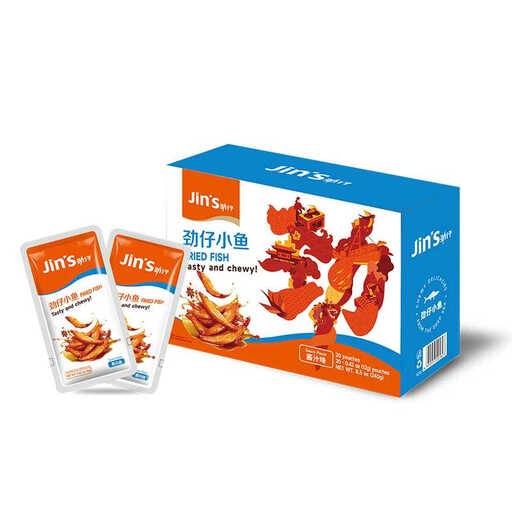
Why we recommend it : Perfect for anyone looking for a high-protein (30g per 100g) and ultra-convenient snack. Ideal for an office break, a post-workout refuel, or an impromptu appetiser.
The "savoury sauce" description and "firm" texture set clear expectations : this is a product with a satisfying chew, not a dry cracker. The format of 20 individual packets prevents waste and ensures optimal freshness.
Portability and portion control. Each 12g packet is a perfectly sized portion, easy to slip into any bag.
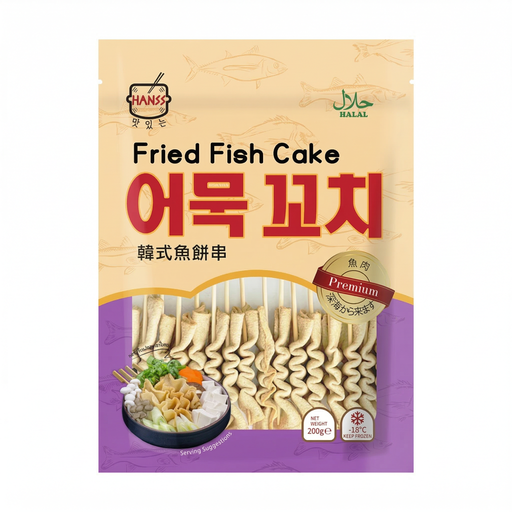
Why we recommend it : This is the essential ingredient for preparing authentic Korean dishes like eomuk soup (odeng-tang) or for adding to tteokbokki (spicy rice cakes).
The label is unambiguous : "Cooking required. Not ready to eat." Its texture, described as "soft and springy," is exactly what you'd expect from a Korean fish cake.
Authenticity and versatility. It allows you to recreate the authentic flavours of Korean street food at home, whether it's poached, fried, or stir-fried.
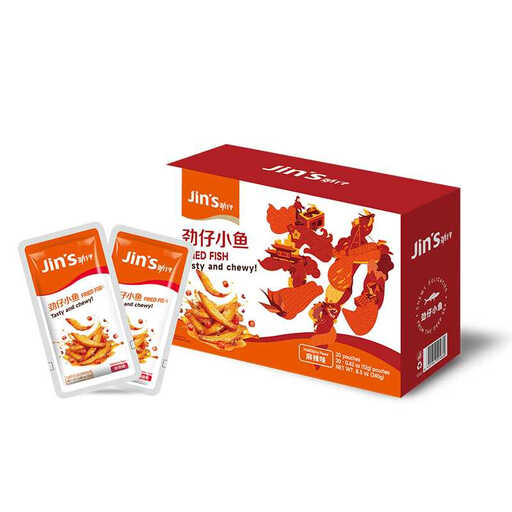
Why we recommend it : For those who are not faint of heart (or palate) and are seeking an intense and complex flavour experience. The *mala* flavour is a Holy Grail for connoisseurs of Sichuan cuisine.
The product name couldn't be clearer : "Spicy & Numbing." There's no mistaking the intensity and nature of the heat. The trap of a generic "spicy" label is completely avoided here.
An authentic *mala* profile. The presence of Sichuan peppercorn guarantees that signature tingling sensation so characteristic and sought-after by fans.
Discover our complete selection of snacks and ingredients, all validated by our experts and compliant with our quality standards and current regulations.
For products in individual packets like Jinzai's, this isn't an issue?: you consume the entire packet after opening. For larger bags of Asian dried fish, it's best to transfer them to an airtight container and store them in a cool, dry place (or the refrigerator) to preserve their texture and extend their shelf life. As for frozen products like eomuk, they must be kept at -18?°C.
Absolutely?! Although they are designed to be eaten as-is, these small Chinese dried fish are excellent in a vegetable stir-fry, fried rice, or simply sprinkled over a noodle dish. It's a brilliant trick for instantly adding crunch, spice, protein, and a big dose of flavour to a simple meal.
They are night and day. Small dried fish are whole fish, dehydrated or fried, with a firm, chewy texture. Eomuk, on the other hand, is a paste of fish meat (boneless) mixed with starch and spices, then cooked. Its texture is soft, spongy, and springy. The former is a snack; the latter is an ingredient that needs to be cooked.