
Livraison le jour même ou le lendemain

Qualité garantie

Débloquez vos offres de bienvenue: Livraison GRATUITE | Jusqu'à -80 % | 30 jours d'essai gratuits à JoyPlus
Téléchargez l'application
Asian exotic fruits are loved for their exotic flavours and year-round availability. However, a pretty picture or a label like "natural" isn't enough to make the right choice. From very sweet dried Asian fruits, to tins where the drained weight can be significantly less than the total weight, and frozen products that are sensitive to breaks in the cold chain, there are pitfalls that can quickly push up the cost or limit how you can use them in the kitchen.
This guide helps you compare the different formats and choose the products best suited to your consumption, your recipes or your professional needs.
Dried mango, dried pineapple, dried strawberries and dried jujubes are easy to transport, but their ingredients can vary enormously. Some products contain only the fruit; others add sugar, maltose syrup, dextrose, acidity regulators, preservatives or flavourings.
The word "fruit" displayed prominently on the packaging tells you nothing about the actual proportion. So always check the ingredients list, presented in descending order, as well as the nutritional information. For example, Be&Cheery dried mango contains mango, sugar and citric acid, with 72.6 g of sugar per 100 g. This type of product is better suited to occasional snacking or use in a recipe, rather than everyday consumption in large quantities.
For tinned Asian fruits, the stated weight often includes the syrup and covering liquid. A 565 g tin of Fu Xing pineapple pieces, for instance, has a drained weight of 260 g. It's this latter figure you need to use when comparing the price per kilo.
Longans in syrup and yellow peaches with nata de coco are ready to serve, but you need to consider their sugar content and any additives. After opening, transfer any leftovers to a clean container and store them in the fridge, following the manufacturer's instructions.
Frozen durian, frozen mango and frozen passion fruit must be kept at –18 °C or below. Once thawed, they must never be refrozen. So you'll need to plan for suitable delivery arrangements and have enough space in your freezer.
With dried products, the main risk is moisture. A packet that isn't properly sealed can make the fruit sticky and cause it to lose some of its flavour. For jars and tins, it's also best to steer clear if the packaging is bloated, leaking or damaged.
To compare products on a solid basis, check:
Not all dried fruits are the same. Hao Xiang Ni and YYH jujubes are 100% jujube, whereas some dried strawberries or mangoes combine the fruit with several other ingredients.
A small 50 g to 120 g packet slips easily into a bag, can be served with tea or added to a dessert. A 500 g or larger pack is better suited to infusions, baking, buffets or recipes you make regularly.
For Asian chestnuts, also consider the level of preparation. Products that are already cooked and ready to eat save you the hassle of peeling, while whole chestnuts may be better for home preparation.
Dried fruits offer a chewy or fibrous texture and a concentrated flavour. Tinned fruits are softer and moister, but are usually packed in syrup. Frozen fruits are closest to fresh cut fruit, provided the cold chain has been maintained.
For savoury recipes, green jackfruit in brine should be treated as an ingredient that needs rinsing, draining and seasoning. For desserts, black goji berry purée in individual sachets and frozen fruits make it easy to measure out quantities without opening a large pack every time.
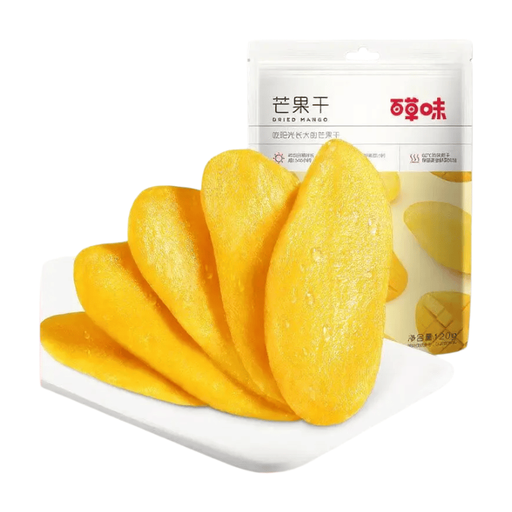
Why this choice suits this profile: At 120 g, this packet lets you try dried mango without committing to a large pack. The product is ready to eat and can also be used to top a bowl of cereal or a dessert.
The product page details the ingredients and the proportion of mango. So you can check before buying whether sugar, citric acid and potassium sorbate are present.
A compact 120 g format, a texture described as tender, and storage at room temperature before opening.
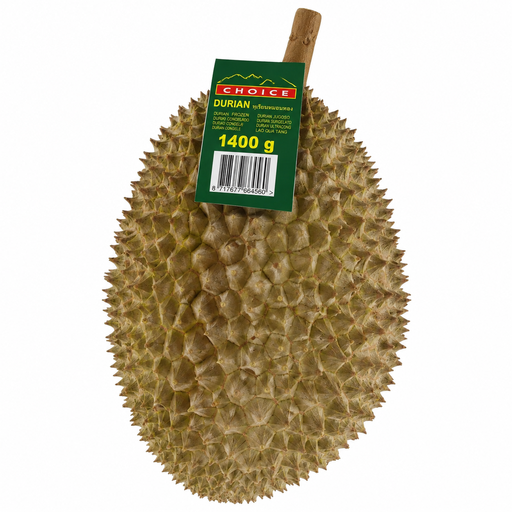
Why this choice suits this profile: This large format of frozen Monthong durian pulp is aimed at enthusiasts who want to serve the fruit as is or use it in cakes and Asian desserts.
The product page states 100% durian and storage at –18 °C or below, with no mention of added syrup.
Monthong durian pulp, a net weight of 1.4 kg and many possible uses: dessert, smoothie or baking.
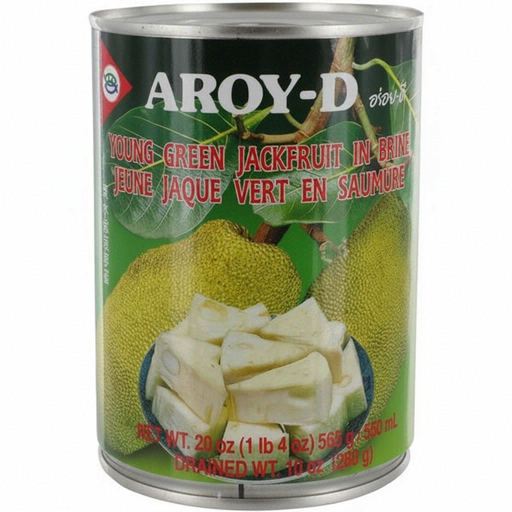
Why this choice suits this profile: Green jackfruit in brine is ideal for people who regularly prepare savoury Asian dishes, fillings or plant-based recipes.
The tin avoids relying on the frozen section. However, you will need to rinse and drain the jackfruit to better control the brine and texture in your recipe.
A 565 g tin, simple storage before opening and a format that's particularly practical for savoury recipes.
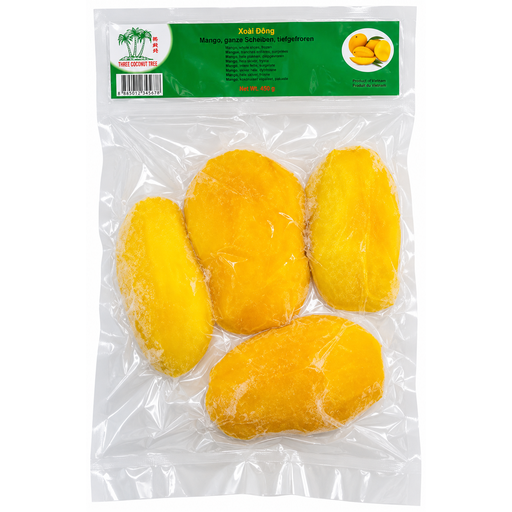
Why this choice suits this profile: These frozen mango pieces are easy to portion out for smoothies, fruit salads, yoghurts and homemade desserts.
The product page states 100% mango, with no added sugar mentioned, as well as the required storage temperature.
A bag of approximately 500 g, 60 kcal per 100 g according to the product page, and ready to use after thawing.
We've put together a comprehensive, real-time updated list of products that meet these strict selection criteria and European safety regulations.
Before opening, the shelf life depends on the date on the packaging and the storage conditions. Keep the packet in a cool, dry place away from light. After opening, seal it carefully and consume the contents promptly to limit moisture absorption.
It depends entirely on the recipe. Frozen mango can be added directly to a powerful blender, while passion fruit flesh is better if slightly thawed before making a sauce or dessert. In all cases, follow this rule: never refreeze a thawed product.
Base your comparison on the drained weight, not the total weight of the tin. Then check the syrup ingredients, the best-before date and the storage conditions after opening. This method allows you to compare longans in syrup, pineapple pieces and tinned fruit mixes more fairly.