
Livraison le jour même ou le lendemain

Qualité garantie

Débloquez vos offres de bienvenue: Livraison GRATUITE | Jusqu'à -80 % | 30 jours d'essai gratuits à JoyPlus
Téléchargez l'application
An Asian exotic fruit drink can sometimes turn an ordinary break into a real taste discovery: floral lychee, generous mango, tangy pineapple, passion fruit or fragrant melon. But colourful packaging alone isn’t enough to make the right choice. Low fruit content, very sweet recipes or unusual textures – it’s worth doing a bit of checking before you order.
This guide helps you choose between an exotic fruit juice, a drink with nata de coco pieces or a basil seed drink, depending on your cravings, your budget and how you plan to use it.
A mango drink or lychee juice might put the star fruit front and centre while containing very different proportions of purée, concentrated juice or just flavourings. To know what you’re actually buying, the ingredients list is still your best guide.
For example, SAGIKO Banana Mango Drink 320 ml contains mango and banana purée, while YEO’S Lychee Drink 300 ml states 2% lychee juice. These two products can therefore offer a very different experience, even though they both belong to the broad family of tropical drinks.
The fruity taste and refreshing feel can easily make you forget how much sugar the drink contains. Always check the “of which sugars” line per 100 ml, then relate it to the total volume of the bottle or can.
As a guide, the product listings show around 8.4 g of sugar per 100 ml for the SAGIKO mango and banana drink, compared to 4.9 g per 100 ml for YEO’S lychee. These figures should be checked on the label of the product you receive, which remains the reference at the time of purchase.
Nata de coco comes in the form of gel-like coconut pieces that you chew as you drink. Basil seeds also bring a very distinctive texture. This type of drink isn’t necessarily suitable for quick consumption or for all family members.
Some products warn of a choking risk from nata de coco pieces, particularly for children and the elderly. Drinks containing colourings such as E102, E110 or E129 should also be checked carefully, as specific regulatory warnings may apply.
To compare an Asian fruit drink, start by identifying the form in which the fruit is used:
A passion fruit drink with nata de coco, like Mogu Mogu, focuses on a playful, textured drinking experience. In contrast, a bottled or canned lychee juice is easier to drink with a meal.
Individual formats of 290 to 350 ml are practical for immediate consumption and avoid having to store an opened bottle. Containers of 500 ml or 1 litre are better for sharing, but usually need to be refrigerated after opening.
Always check the manufacturer’s instructions: storage conditions, shelf life after opening and whether you need to shake the bottle. An Asian fruit drink is often best enjoyed chilled, but the fridge doesn’t replace the storage rules stated on the packaging.
Before ordering, take the time to check the following:
This information allows you to compare a pineapple drink, a melon drink and a nata de coco drink more objectively.
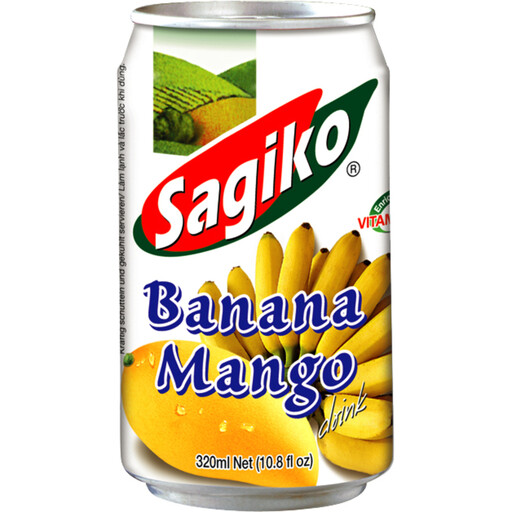
Why this choice suits this profile: Its individual format and mango-banana blend offer an accessible first taste of tropical flavours, without pieces or any unusual texture.
The listing specifies the presence of mango and banana purées. This gives you a clear idea of the fruit base without relying solely on the packaging design.
320 ml format, 44 kcal and 8.4 g of sugar per 100 ml according to the provided listing.
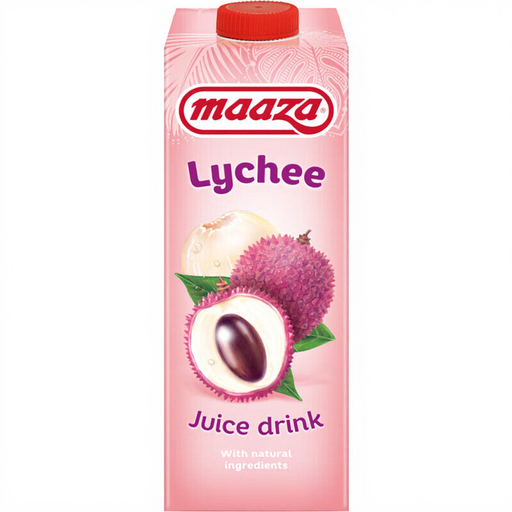
Why this choice suits this profile: Its large format is ideal for meals with several people or for those who want to keep a fruity drink on hand for multiple glasses.
The listing states 18% lychee purée – a concrete figure that helps you better assess the recipe.
1 litre bottle, lychee flavour and 44 kcal per 100 ml according to the available information.
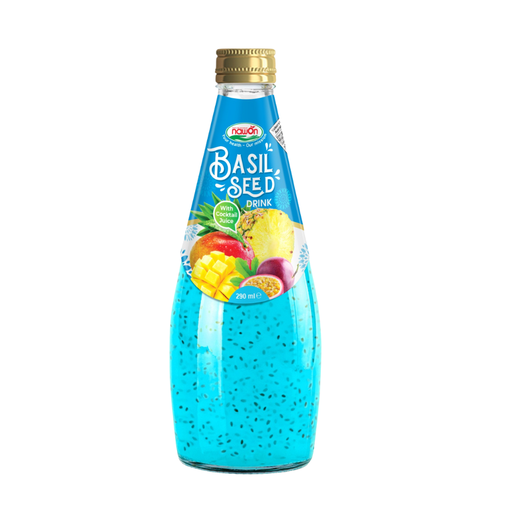
Why this choice suits this profile: This drink is aimed at those looking for a different texture and a blend of fruits rather than a single flavour.
The composition details 9% basil seeds as well as the proportions of several juices, including pineapple, mango and passion fruit.
290 ml format, 42 kcal and 10 g of sugar per 100 ml according to the product listing. Shake before drinking.
We’ve put together a complete, real-time updated selection of products that meet these selection criteria as well as European safety requirements.
An individual format of 290 to 350 ml lets you try a flavour without committing to a large bottle. Mango, lychee and pineapple are good profiles to start with and compare easily. If you like textures, go for a drink with nata de coco or basil seeds.
Before opening, many products can be stored in a cool, dry place, following the instructions on the label. After opening, drinks containing juice or purée generally need to be refrigerated and consumed quickly. Always follow the instructions printed on the container.
Nata de coco needs to be chewed and can pose a choking risk. For children, the elderly or those with swallowing difficulties, check the precautions stated on the packaging. If necessary, choose a drink without pieces.