
Livraison le jour même ou le lendemain

Qualité garantie

Débloquez vos offres de bienvenue: Livraison GRATUITE | Jusqu'à -80 % | 30 jours d'essai gratuits à JoyPlus
Téléchargez l'application
Asian duck, with its unique range of flavours and textures, is winning over more and more fans in France. From spicy appetiser snacks and cuts for simmering to the legendary Peking duck for special occasions, online Asian grocers are filled with treasures. But with such a vast selection, navigating the options can quickly become a headache. The risk? Ending up with a product that doesn't meet your expectations at all, whether in taste or preparation. This guide is here to give you the keys to a successful purchase.
Ordering Chinese duck products can come with a few surprises. Here are the two most common mistakes that can ruin the experience, and more importantly, how to avoid them.
Raw, Ready-to-Cook, or Ready-to-Eat? A Classic Mix-Up. The most frequent error is confusing a raw product, a marinated piece that needs cooking, and a ready-to-devour snack. A tempting photo might suggest the product is ready to eat, when it actually requires thorough cooking. This can ruin an impromptu appetiser and also poses a genuine health risk if a raw product is accidentally ingested.
A Disappointing "Spicy" Flavour. The word "spicy" can be a catch-all term. Chinese cuisine, however, is full of nuance: the straightforward heat of chilli, the mala (麻辣) flavour of Sichuan pepper that creates a gentle numbing sensation, or complex marinades that are both savoury and sweet-and-sour. Ordering a spicy duck neck hoping for a complex aromatic profile and getting a snack that is merely hot can be frustrating for discerning foodies.
To ensure you never make a mistake again, keep these criteria in mind before you check out.
This is the number one criterion. Always scan the product description to identify its state:
Don't just settle for "spicy" or "marinated." Dive into the ingredients list to decode the true aromatic profile:
A glance at the ingredients list informs you about the flavour profile, but also about the overall quality of the product. Be especially vigilant for common allergens like wheat (gluten) and soy, which are ubiquitous in sauces. The presence of flavour enhancers like monosodium glutamate (E621 or MSG) is also valuable information for those who wish to avoid them.
To put theory into practice, here are a few products that meet different needs and tick all the boxes of our selection criteria.
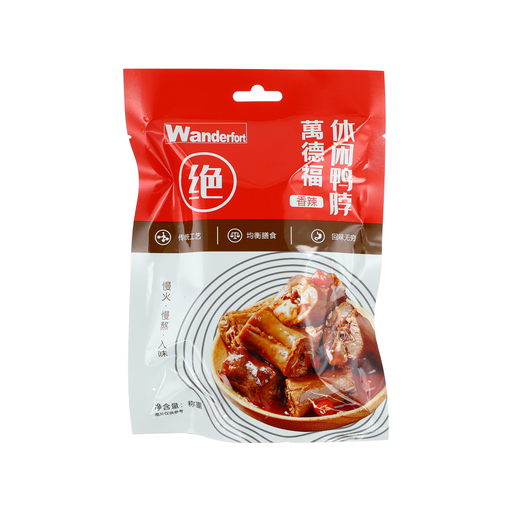
Why it's a great match: The perfect solution for an impromptu appetiser or a gourmet break while watching your favourite show. It delivers on taste with minimal effort, featuring an authentic spiciness that awakens the palate.
The product is explicitly "ready to eat," and its individual packaging leaves no room for doubt. The promise of a rich, spicy flavour is delivered.
Convenience: The individual packaging is hygienic and perfect for taking on the go.
Taste: An authentic spicy flavour with a lingering finish.
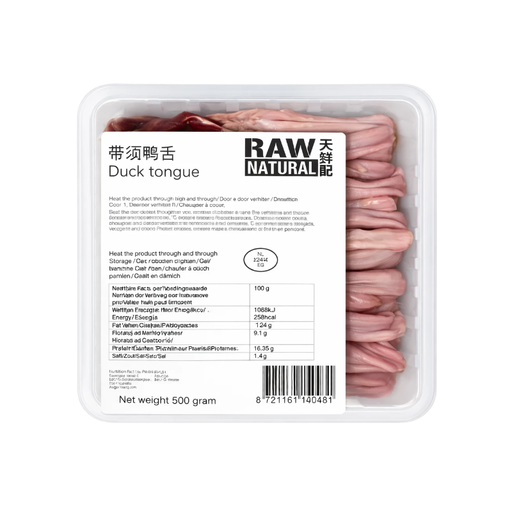
Why it's a great match: For home chefs who love getting hands-on with unconventional ingredients. Whether braised, fried, or used in a hot pot, duck tongues are a perfect base for unleashing your creativity.
The "RAW NATURAL" label couldn't be clearer: this product must be cooked. There's no chance of a mix-up.
Versatility: Perfect for braising, frying, or stir-frying.
Authenticity: A star ingredient in many regional Chinese cuisines, now easily accessible.
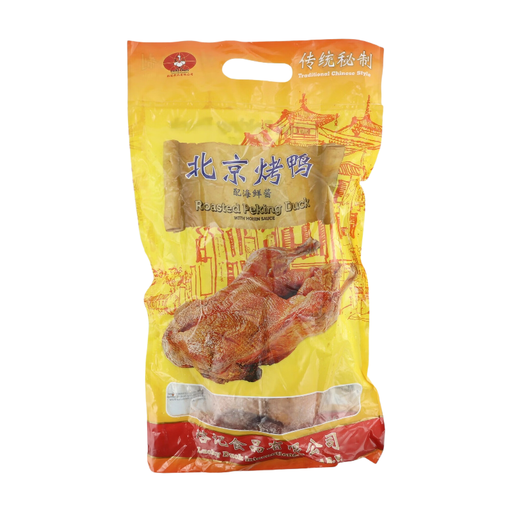
Why it's a great match: To wow your guests with a dish as iconic as Peking duck, without spending all day in the kitchen. It's a show-stopping main course that always makes an impression at a dinner or party.
This product promises "restaurant-quality" results at home. It's clearly stated that it is pre-roasted and just needs a final blast in the oven to achieve that famous crispy skin. This helps you avoid the culinary marathon of preparing it from scratch.
Time-Saver: The hard part is already done; the complex preparation is behind you.
Guaranteed Results: The instructions are crystal clear, ensuring crispy skin and flavourful meat every time.
We've curated a complete selection of products that meet our quality standards and all current regulations.
1. How should I store Asian duck snacks once they're opened? Most vacuum-sealed snacks (necks, wings, etc.) should be kept in the refrigerator once the package is opened and consumed within 48 hours. The best practice is to always check the storage instructions on the packaging.
2. What's the difference between Peking duck and standard roasted duck?Peking duck follows a precise ritual: the skin is separated from the flesh by pumping air, basted with maltose syrup, then air-dried before being roasted. This is what gives it that incredibly thin, lacquered skin. A standard roasted duck, even an excellent one, rarely achieves this level of crispiness and unique texture.
3. Can you find Chinese duck products online without MSG? Yes, but you have to play detective and read the labels carefully. Some brands, often artisanal ones, will advertise an "MSG-free" (monosodium glutamate or E621) composition. A good tip? Look for short ingredient lists where the flavour comes from spices, soy sauce, and other natural condiments.