
Livraison le jour même ou le lendemain

Qualité garantie

Débloquez vos offres de bienvenue: Livraison GRATUITE | Jusqu'à -80 % | 30 jours d'essai gratuits à JoyPlus
Téléchargez l'application
Buying Asian drinks and snacks online lets you discover Chinese, Japanese, Korean or Vietnamese specialities without having to hunt down specialist shops. But you need to know what you're looking at: a bottle sold as sake might actually contain shochu, a drink labelled "light" could have a high enough alcohol content to warrant moderation, and a pretty package is no guarantee of the right size or the flavour you're after.
Here are the things to check before you fill your basket, whether you're after an Asian spirit, Chinese snacks or a gift idea for the Mid-Autumn Festival.
Labels don't always tell you everything about how a drink is made. Chinese baijiu is a distilled spirit, typically between 40% and 60% ABV. Japanese sake is a fermented rice-based drink, while Japanese shochu is a distilled spirit. Korean soju can be plain or flavoured, with a very variable alcohol content.
Kurokirishima, for example, is presented as "Sake", yet its product details show it's a sweet potato shochu at 25% ABV. So it's better to check the actual product category, its ingredients and its alcohol content rather than relying on the brand name alone.
A porcelain bottle, a gift box or a mention of the Mid-Autumn Festival: these details can be appealing when you're buying a present, but they give you no real indication of the flavour profile. A smart presentation doesn't replace the essential information: volume, origin, ingredients, allergens and storage instructions.
A 30 g packet is perfect for trying a product, but it might be a bit stingy if you're sharing with several people. On the other hand, a pack of four sachets totalling 120 g will need to be stored properly once opened. Also remember to check for any gluten, soya, milk, peanuts or tree nuts, especially if you're planning to serve these products to guests.
Always compare the ABV percentage and the volume. A flavoured soju at 12% ABV sold in a 350 or 360 ml bottle isn't consumed in the same way as a baijiu at 52% or 53% ABV in a 500 ml bottle.
For a sociable meal, a fruity peach or raspberry soju can be served well chilled. For a more traditional tasting or as a gift, a Chinese spirit in a 500 ml bottle serves a different purpose. In the UK, the sale of alcohol is restricted to those aged 18 and over; consumption should be moderate, and alcohol is not recommended during pregnancy.
The ingredients list is often the best way to tell two products apart. Nep Moi Reisschnaps, a Vietnamese rice spirit, is described as being made from a spirit at 30% ABV. Some baijiu contain sorghum, rice, wheat, barley, maize or peas. The presence of wheat or barley should generally alert anyone avoiding gluten.
For Chinese snacks, take the time to read the full ingredients list instead of relying on the picture or a vague description. The product "World is a huge bagel, crispy!" contains wheat flour, soya and milk powder – far more useful information than a simple category like "Asian flavour".
A bottle intended as a gift should be intact and presented in suitable packaging. Once opened, it should be kept tightly sealed, upright, away from light and heat. Flavoured drinks are often best served chilled, while some baijiu are best enjoyed at room temperature.
Dry snacks should be stored in a cool, dry place. After opening, an airtight container helps keep them crispy. Also check the date on the packaging, especially for sweets, biscuits and imported products.
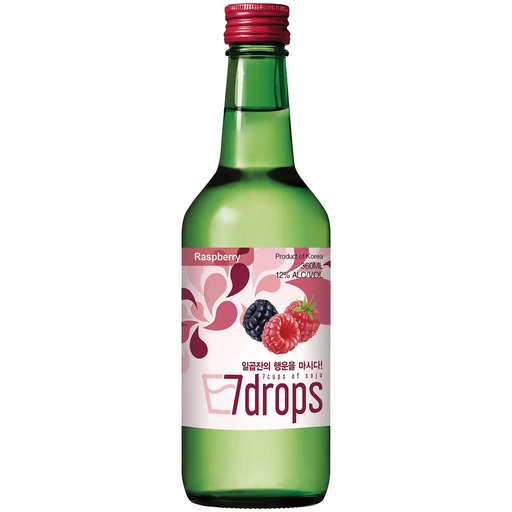
Why this suits this profile: With its 360 ml and 12% ABV, this flavoured soju lets you discover the drink without starting with a high-strength spirit.
The alcohol content, volume and Korean origin are clearly stated. So there's no risk of mistaking it for a more robust traditional soju.
A raspberry flavour, 360 ml format, 12% ABV and best served well chilled.
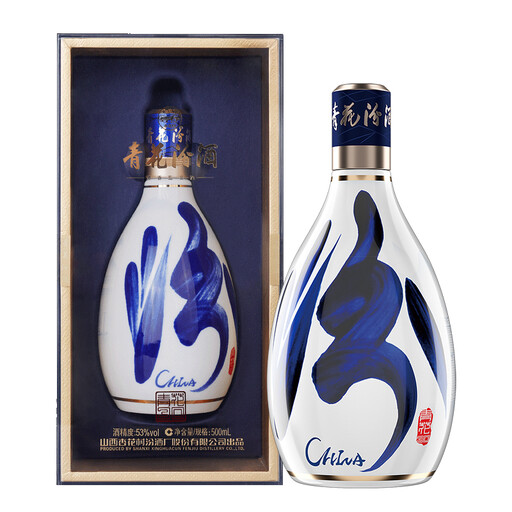
Why this suits this profile: Its porcelain bottle and 500 ml format make it an ideal gift for the Mid-Autumn Festival or a family gathering.
The product page clearly states the 53% ABV, ingredients, barley allergen and storage conditions – so the gift box isn't relying on looks alone.
Chinese origin, porcelain bottle, 500 ml and best served at room temperature.
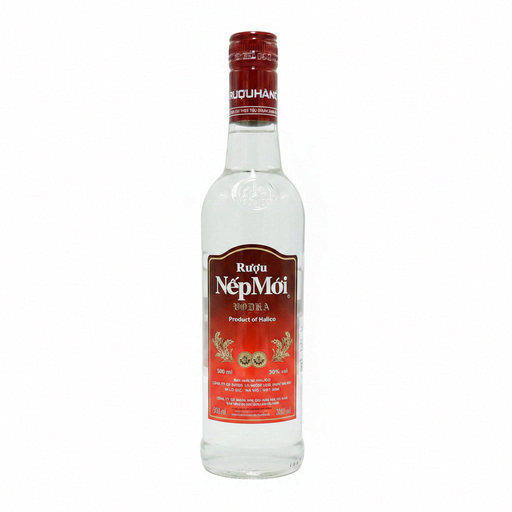
Why this suits this profile: With its 500 ml and Vietnamese rice spirit profile, it works well for a themed meal, in a cocktail or as part of a group order.
Its 30% ABV is clearly displayed – a useful reminder, because a rice spirit isn't served like a soft drink or a light wine.
Vietnamese origin, 500 ml, 30% ABV and soya-free.
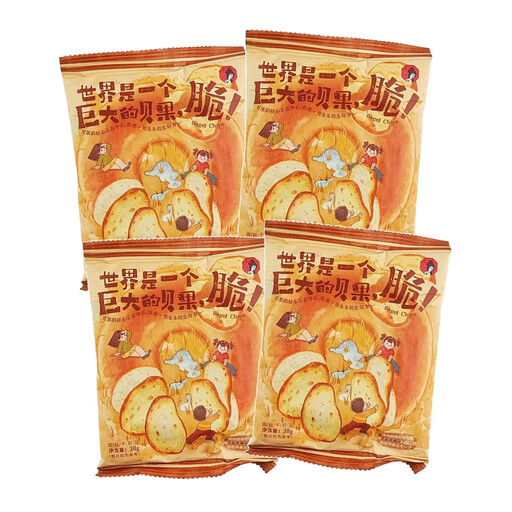
Why this suits this profile: This pack of four portions is easy to share at tea time, with drinks or in a gift hamper alongside sweets like Haribo.
The total weight of 120 g, ingredients and allergens are all listed – so you can easily compare it with a single 30 g packet.
Four portions, made in China and best stored in a cool, dry place.
We've put together a comprehensive, real-time selection of products that meet these exacting criteria as well as European safety regulations.
A flavoured soju at 12% ABV can be more approachable than a Chinese baijiu at 52% or 53% ABV. Still, check the sugar content, flavours, volume and serving temperature. For a first tasting, pour a small amount and enjoy it with a meal.
Sake is generally a fermented rice-based drink. Shochu is a distilled spirit, made from ingredients such as sweet potato, barley or rice. The Kurokirishima product page mentions a sweet potato base, 25% ABV and Japanese origin – so it's definitely a shochu, despite the commercial name saying sake.
Keep them in a cool, dry place, then transfer them to an airtight container once the packet is opened. If the product contains gluten, soya or milk, keep the packaging or take a photo of the ingredients list – that way you can refer to it until you've finished the packet.