
Livraison le jour même ou le lendemain

Qualité garantie

Débloquez vos offres de bienvenue: Livraison GRATUITE | Jusqu'à -80 % | 30 jours d'essai gratuits à JoyPlus
Téléchargez l'application
The craze for Asian drinks is undeniable. Bright colours, intriguing flavours, and unique textures are flooding the shelves, promising an instant culinary journey. But be warned: this booming universe can quickly become a minefield. Between misleading labels and unfamiliar ingredients, disappointment is often just around the corner. Our guide is here to provide the essentials and help you make the right choice, every single time.
Before you give in to temptation, it's best to know the two main pitfalls that can ruin the experience (and drain your wallet).
To avoid unpleasant surprises, here are the key things to check before you head to the checkout.
First instinct?: turn over the bottle or can. The ingredients list is always ordered by decreasing weight. If sugar (or fructose syrup, sucrose) comes right after water, be wary?: the drink will be very sweet.
Learn to tell the difference between?:
The world of exotic drinks is full of surprising textures. Here are the most common ones so you know what to expect?:
Beyond ultra-sweet fruit drinks, Asia offers a vast selection of traditional and wellness beverages. Soy milk (or soy drink) is a dietary staple in many countries, serving as an excellent protein-rich, plant-based alternative. Natural coconut water, on the other hand, is prized for its hydrating properties and low calorie count. Don't hesitate to explore an online Asian grocery store to unearth these more authentic gems.
To help you make your choice easier, here is our selection for every craving, with the reasons behind our picks.
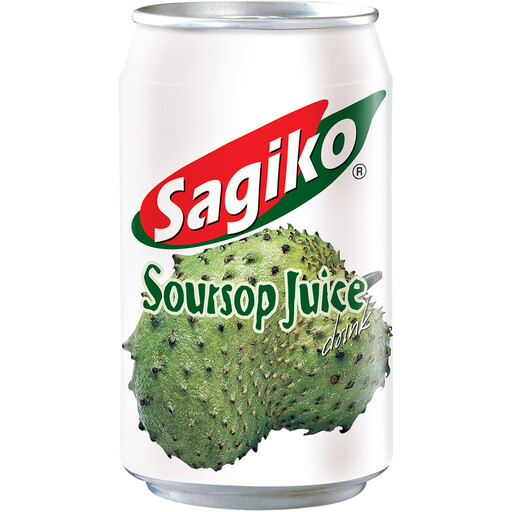
The Rationale : Ideal for those looking to venture off the beaten path. Soursop offers a complex tropical flavour, both sweet and tangy, that is rarely found in mainstream supermarkets.
The label clearly states it is a drink made from soursop purée. The promise is clear : this isn't a pure juice, but a beverage designed to showcase this exotic flavour in a refreshing way.
An authentic and original flavour for a true discovery.
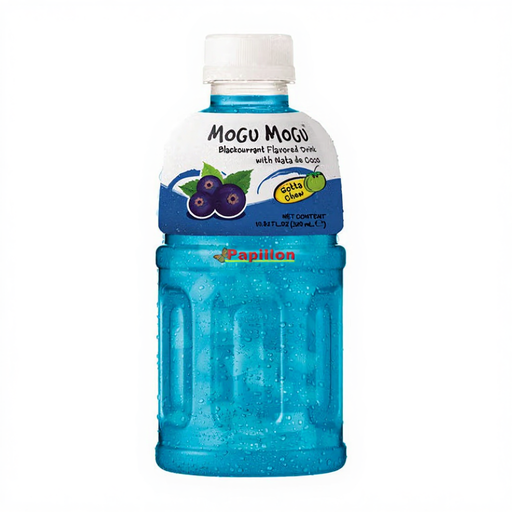
The Rationale : This is the go-to drink for those who love to "chew while they drink." It combines an accessible fruit flavour (blackcurrant) with the unique and fun texture of nata de coco cubes.
The very concept of the Mogu Mogu brand is built around the inclusion of nata de coco. The name, packaging, and description are unambiguous, eliminating any unpleasant surprises for first-timers.
A dual sensory experience : the taste of the drink and the texture of the chewy bits.
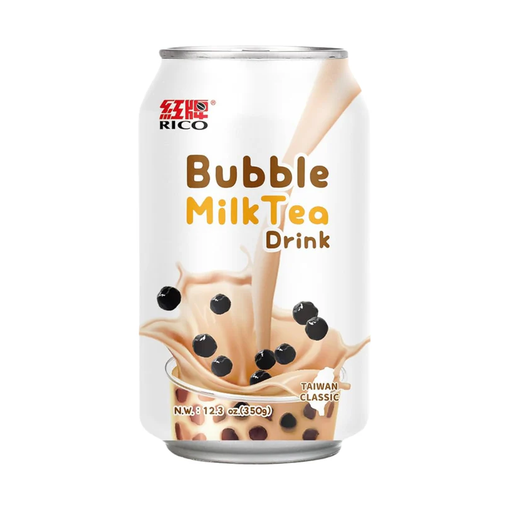
The Rationale : For those who want the online bubble tea experience without the hassle of preparation. This ready-to-drink beverage offers the classic blend of black tea, milk, and tapioca pearls.
The product is clearly identified as a "Bubble Milk Tea" and highlights the tapioca pearls. The presence of milk is also specified, which is crucial information for those with lactose intolerance.
The pleasure of a ready-to-drink bubble tea, to be enjoyed anywhere, anytime.
Discover our selection of products that meet strict criteria, with numerous dairy-free alternatives.
The main difference lies in the texture of the add-ins. Nata de coco comes in the form of firm coconut jelly cubes, while bubble tea contains tapioca pearls, which are larger, rounder, and have a soft, almost chewy consistency. Furthermore, the base is different?: bubble tea is traditionally made with tea and milk (or a plant-based alternative), whereas nata de coco drinks are most often fruit juice-based.
Once the bottle or can is opened, keep it in the refrigerator and consume it within 2 to 3 days. Beyond that, add-ins like tapioca pearls or nata de coco may lose their pleasant texture.
Yes, absolutely. For that, look for products like natural coconut water (be sure to check for the "100% coconut" label) or certain soy milk drinks and powders labelled "unsweetened" or "no added sugar." The best habit is still to read the ingredients list carefully. Products like Yon Ho's unsweetened soy milk powder are perfect for having 100% control over the sugar content.