
Livraison le jour même ou le lendemain

Qualité garantie

Débloquez vos offres de bienvenue: Livraison GRATUITE | Jusqu'à -80 % | 30 jours d'essai gratuits à JoyPlus
Téléchargez l'application
Asian drinks are winning people over with their lychee, mango, tamarind and passion fruit flavours, as well as their unusual textures. Whether you’re looking at bottles of Mogu Mogu drink, lychee drinks, ready-to-drink bubble tea or instant Thai tea, the ingredients, format and storage conditions can make all the difference when it comes to choosing.
To avoid any nasty surprises, it’s best to look beyond the colourful packaging and promises of exotic flavours. Here are the key things to check before buying an Asian fruit drink, whether for everyday consumption, a treat or a party.
A lychee drink may contain juice, juice from concentrate, flavouring or a blend of these ingredients. These terms don’t mean the same thing. YEO’S lychee drink, for example, states 2% lychee juice, while other products rely mainly on a fruity flavouring.
Before you order, take the time to read the ingredients list and the nutritional information panel. Just because a fruit appears in the name or on the label doesn’t mean the drink is mostly juice.
Tropical drinks and Asian soft drinks are often very sweet. To compare two products, look at the carbohydrates, of which sugars, per 100 ml line, then multiply it by the total volume of the bottle.
As a guide, Mogu Mogu drinks in 320 ml bottles typically contain between 11 and 13 g of sugars per 100 ml, depending on the flavour and the product listing. A whole bottle therefore represents a very different amount from a small glass enjoyed as an occasional treat.
Nata de coco and tapioca pearls add a chewy texture, but they also come with a few precautions. Some product listings mention a choking hazard, particularly for young children and the elderly. A ready-to-drink bubble tea containing tapioca pearls should therefore not be given to children under 3 without supervision.
To try a flavour, a 300 to 350 ml bottle helps limit waste. The 320 ml Mogu Mogu bottles are ideal for individual enjoyment, while 1-litre bottles or packs of six are better suited to meals, gatherings and parties.
For an event, compare the total volume, the number of guests and the storage conditions after opening. A 2-litre bottle can be convenient, but it will usually need to be refrigerated after opening and consumed quickly, in line with the instructions on the packaging.
The label must list the ingredients, allergens, net quantity, best-before date and storage conditions. RICO bubble milk tea contains milk and may be made in an environment where peanuts, gluten, soya, mango and tree nuts are also handled.
Additives are shown by their function or number: for example, acidity regulators, thickeners, preservatives or colourings. Their presence alone isn’t enough to judge a drink. What matters is reading the ingredients list as a whole and checking the information on the packaging you actually receive.
A nata de coco drink contains jelly-like coconut pieces, whereas a bubble tea contains tapioca pearls. The mouthfeel is therefore completely different. For instant Thai tea, also check the preparation method: YOD CHA 3 in 1 mix is made with hot or cold water, using one 20 g sachet to around 200 ml of water.
Fans of tea to brew can opt for a flavoured oolong, such as GS Coconut Oolong Tea or GS Pineapple Oolong Tea. These products aren’t ready-to-drink: they need to be steeped, then stored in a dry place after opening.
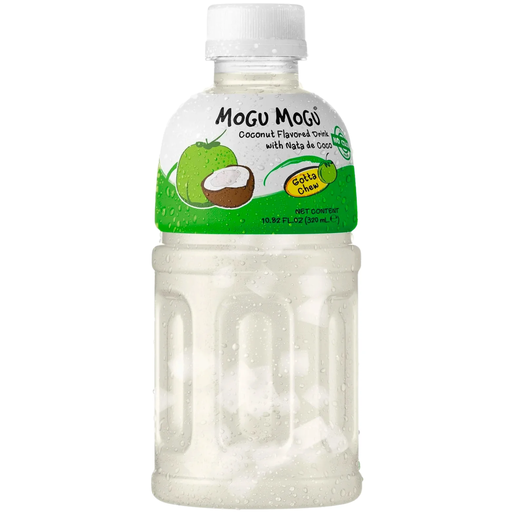
Why this choice suits this profile: At 320 ml, this bottle lets you discover the texture of nata de coco without having a large volume to get through. Its coconut flavour makes it a simple, accessible entry point into the world of tropical drinks.
The individual format reduces the risk of leaving a bottle open for too long. The listing shows 44 kcal and 11 g of sugars per 100 g – useful data for comparing products.
320 ml bottle, coconut flavour, nata de coco pieces and Thai origin stated on the listing.
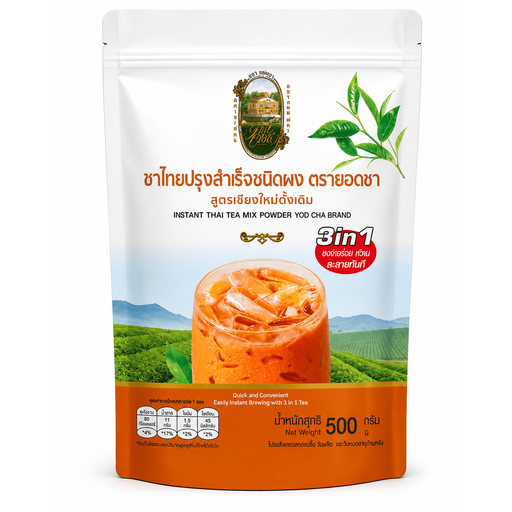
Why this choice suits this profile: This mix lets you make a creamy Thai tea at home, hot or iced, with a set amount per sachet. It’s aimed at those who prefer to control the preparation rather than just picking up a ready-to-drink bottle.
The preparation method and weight per portion are clearly stated. The presence of dairy products is listed among the allergens, helping you avoid an unsuitable choice.
500 g mix, 20 g sachets, hot or cold preparation and 90 kcal per serving according to the listing.
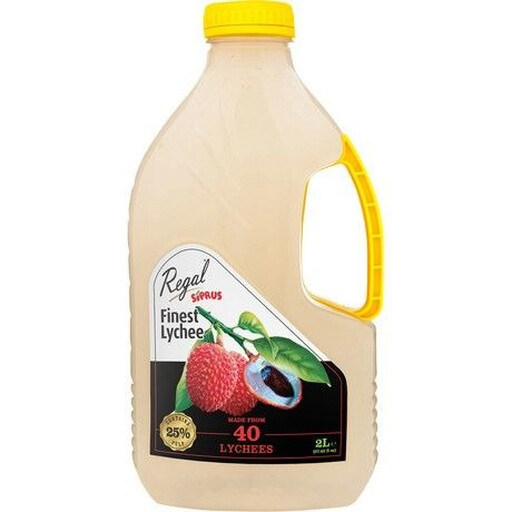
Why this choice suits this profile: The pack of six 2-litre bottles is designed for family meals, parties or regular supplies of lychee drink.
The total volume is clearly shown, so you can calculate the price per litre rather than just relying on the price of a single bottle.
Pack of six bottles, 2-litre format, ready-to-serve drink and fruity lychee flavour.
We’ve put together a full selection, updated in real time, of products that meet these exacting criteria and European safety regulations.
An individual 300 to 350 ml format is ideal for trying a flavour without building up a collection of bottles. Mogu Mogu drinks also let you try nata de coco, while a lychee drink offers a more classic texture. In any case, check the sugar content and any precautions relating to pieces.
Always follow the instructions on the label first. Many drinks need to be refrigerated after opening and consumed quickly. For bottles containing nata de coco or tapioca pearls, avoid leaving them at room temperature once opened and use a clean container.
It all depends on the ingredients and texture of the product. Check the allergens, any colourings listed and any safety warnings. Drinks containing nata de coco or tapioca have a chewy texture: young children should be supervised, and some products are not recommended for children under 3.