
Livraison le jour même ou le lendemain

Qualité garantie

Débloquez vos offres de bienvenue: Livraison GRATUITE | Jusqu'à -80 % | 30 jours d'essai gratuits à JoyPlus
Téléchargez l'application
Asian drinks are taking our shelves by storm, and it's easy to see why: eye-popping colours, exotic flavours, and out-of-the-ordinary packaging make them hard to resist. But be warned—this vibrant world can quickly become a minefield. An impulse buy is all too easy, and the ensuing disappointment can turn a promising experience into a bitter regret.
As a Product Expert at Joybuy, my mission is to guide you through this jungle. Here are the two most common traps and, more importantly, how to avoid them:
To make the right choice every time and say goodbye to disappointment, a few checks are in order before you head to the checkout.
First instinct: turn the bottle around. A short ingredient list is (almost) always a good sign.
One of the greatest strengths of Asian drinks is their unique textures. Knowing what to expect is the key to fully appreciating them.
The term "Asian drink" is a broad umbrella term that covers an incredible diversity of products.
Exploring an online Asian grocery for drinks is the best way to grasp the full scope of this diversity and compare product details at your own pace.
To help you take the plunge, here are three products that tick all the boxes, designed for different profiles and preferences.
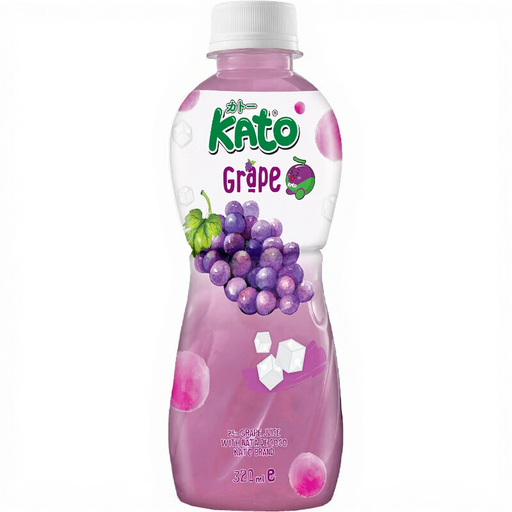
Why we love it: It's the perfect gateway into the world of "chewable" drinks. The combination of the familiar taste of grape and the fun texture of nata de coco offers a surprising yet gentle sensory experience.
No nasty surprises here: the "Nata De Coco" mention is explicit. You know what you're drinking (and chewing) from the very first sip.
With 25% grape juice and 15% nata de coco, it delivers on its promise: a real fruit taste and a generous texture.
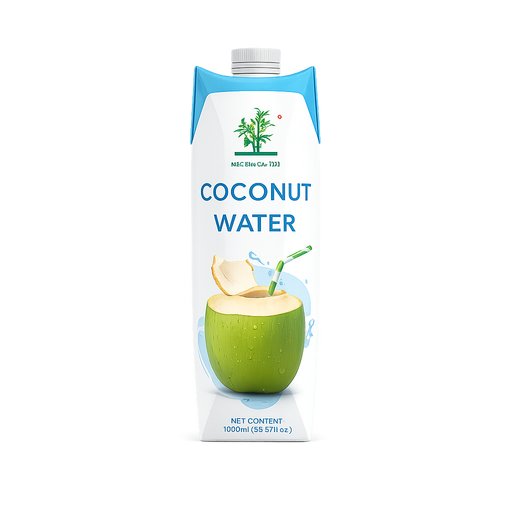
Why we love it: The perfect alternative to sodas for anyone seeking a refreshing and authentic drink. Known for its hydrating properties, this coconut water is offered in its purest form.
It avoids the "all-natural" trap with an ultra-short ingredient list: 98.5% coconut water, a hint of cane sugar, and that's it. Zero artificial flavours, zero syrup.
Simple, gluten-free, and with no artificial colours, it's all about the authentic taste of Vietnamese coconut water. Its 1L format is ideal as a daily hydration partner.
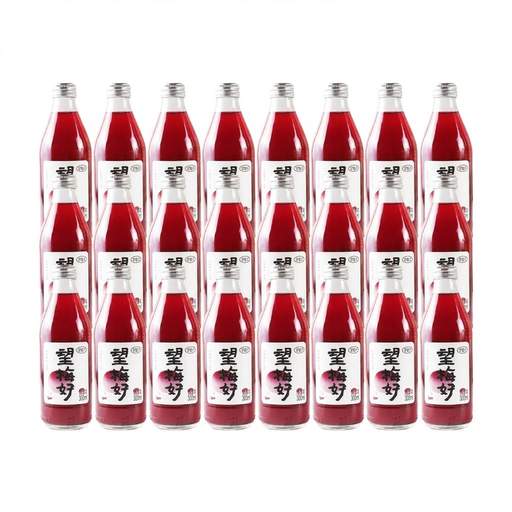
Why we love it: For adventurous palates who think they've tried it all and are looking for something new. The Chinese bayberry (*yangmei*) reveals a unique flavour profile, a subtle balance between sweet and tart, light-years away from traditional sodas.
Transparency is key: the drink is made from real bayberry juice (≥ 10%) and sweeteners, resulting in a fat-free, low-calorie product. The hidden sugar trap is thus avoided.
A refined sparkling drink that stands out for its original taste and elegant glass bottle. Perfect to accompany a meal or for an original aperitif.
We have selected a full range of products that meet our quality criteria and comply with current regulations.
Most of these drinks, especially fruit juices and coconut waters, contain few or no preservatives. Once opened, it is essential to store them in the refrigerator and consume them within 2 to 3 days to preserve their freshness and flavours.
Nata de coco is an ingredient originating from the Philippines. It is a jelly-like substance produced by the fermentation of coconut water. Its texture, both firm and chewy, and its neutral taste allow it to absorb the flavour of the juice it's in. It is also an excellent source of dietary fibre.
Yes, absolutely. More and more brands are offering alternatives. Look for "no added sugar" labels or those that use natural sweeteners like stevia. Unsweetened teas, pure coconut waters, and some sparkling drinks made with natural flavours are excellent options. Your best ally is always to read the nutrition label carefully.