
Livraison le jour même ou le lendemain

Qualité garantie

Débloquez vos offres de bienvenue: Livraison GRATUITE | Jusqu'à -80 % | 30 jours d'essai gratuits à JoyPlus
Téléchargez l'application
Asian drinks promise an instant flavour journey, a world away from the usual sodas in our supermarkets. But between the tempting packaging, mysterious ingredients, and approximate translations, the exploration can quickly lead to disappointment. How can you be sure you're not getting a sugar bomb disguised as fruit juice??
As a product expert for Joybuy, I spend my days decoding these labels. My mission?? To give you the keys to sort the good from the bad, spot the real treasures, and choose drinks that deliver on their promises, without being fooled by marketing.
It's easy to be seduced by colourful packaging. Ensuring the quality of what's inside is another story. Here are the most common mistakes that can ruin your experience.
To never make a mistake again, adopt a few simple habits when reading the label. These indicators will help you make an informed choice.
The ingredient list never lies. It is always ordered by weight, from the most present to the least.
The nutrition facts panel is your best friend, especially for tracking sugar.
The format and composition tell you everything about its use.
To get you started, here are a few products that tick all the boxes, for different tastes and profiles.
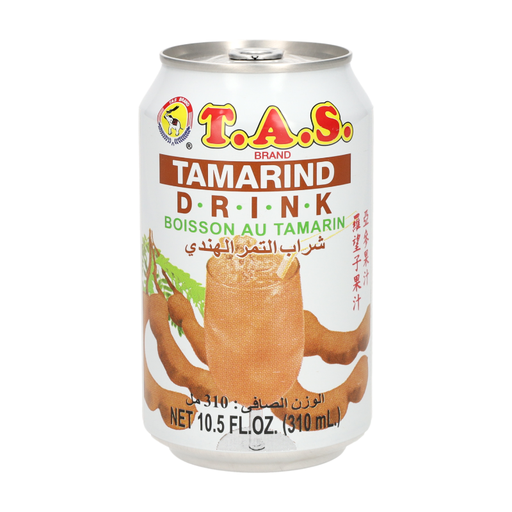
Why we chose it: Perfect for the curious who want to get off the beaten path. Tamarind offers a unique sweet-and-sour flavour that's very refreshing and rare in European drinks. It's an ideal gateway to more adventurous exotic fruit juices.
No bluffing here: the label states 30 % tamarind pulp. This guarantees an authentic taste, not just a synthetic flavouring.
A perfect balance of sweet and sour, offering a complex and thirst-quenching taste experience. Drink it very cold, straight from the can or over ice.
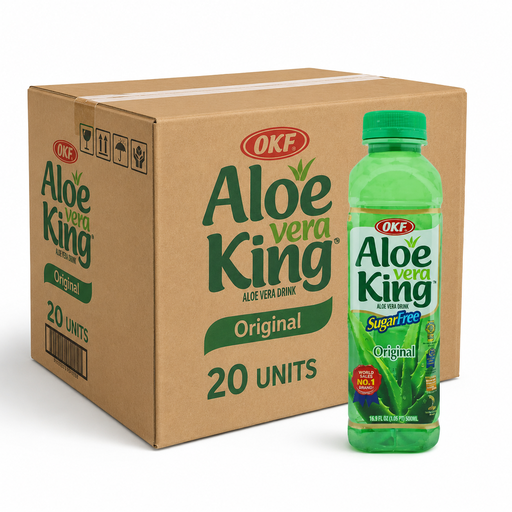
Why we chose it: The ultimate healthy and hydrating alternative, ideal for refreshing yourself without the guilt. The texture of the aloe vera pieces is surprising and pleasant, perfect after a workout or on a hot day.
This product tackles the sugar trap head-on. The "Sugar Free" claim is clearly displayed and confirmed by the nutritional information (0g of sugars).
Contains organic aloe vera juice and real pulp pieces, offering a textured and refreshing experience with zero calories from sugar.
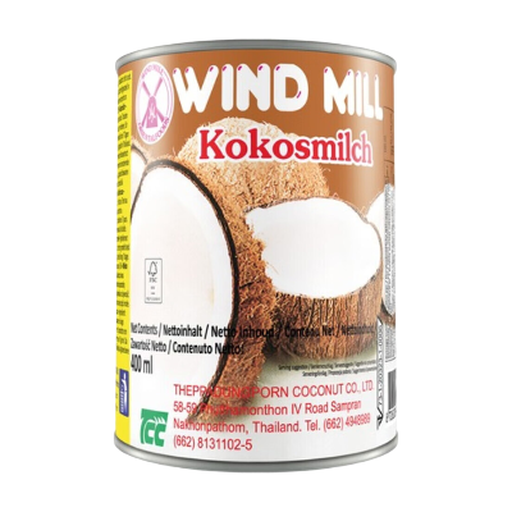
Why we chose it: A pantry essential for anyone wanting to dive into Asian cooking. Its rich, creamy texture is the base for many Thai, Indian, and Caribbean curries, soups, and desserts.
This product ends the confusion between a drink and an ingredient. Its composition (42 % coconut extract) and fat content (14 %) clearly mark it for cooking, guaranteeing the creaminess your recipes need.
A simple and effective composition (water, coconut extract, an antioxidant) for a pure coconut taste and rich texture. Suitable for vegan diets and is Halal certified.
Explore our full range of drinks to discover your next favourite finds, delivered right to your door.
It's the classic trap! It's all in the packaging and composition. Coconut milk for cooking is sold in a metal can, is thick, opaque, and rich in fat. Coconut water (sometimes called coconut juice) is sold in a carton or bottle, is liquid, often transparent, and very low in calories. Read the label carefully: one is an ingredient for your dishes, the other is a thirst-quenching drink.
Not at all, but vigilance is key. As we've seen, some can be very sugary. However, the selection is vast and includes unsweetened teas, natural coconut waters, and sugar-free versions of popular drinks like aloe vera. The habit to adopt is simple: always glance at the "of which sugars" line per 100ml on the nutrition facts panel.
Finding an authentic Japanese canned coffee or a good matcha kit in a supermarket is often mission impossible. An online Asian grocery store like Joybuy gives you direct access to a wide range of imported products, allowing you to order and receive authentic flavours from around the world at home.