
Livraison le jour même ou le lendemain

Qualité garantie

Débloquez vos offres de bienvenue: Livraison GRATUITE | Jusqu'à -80 % | 30 jours d'essai gratuits à JoyPlus
Téléchargez l'application
The world of Asian drinks is a playground as vast as it is fascinating, from ancient spirits to the most original sodas. But faced with enigmatic labels and similar-sounding categories, navigating the options can quickly become a headache. As a product expert at Joybuy, I'm here to clear the path and help you find the bottle that's truly right for you.
Before diving into the virtual aisles of an online Asian grocery store, keep these common mistakes in mind to better avoid them.
To get a clearer picture, focus on a few simple criteria that speak volumes about what you're about to drink.
The starting ingredient is what gives a drink its character and helps you anticipate its flavour profile.
The alcohol by volume (ABV) is the best indicator of when and how to enjoy your drink.
To illustrate our points, here are three products perfect for different profiles, which cleverly avoid the most common pitfalls.
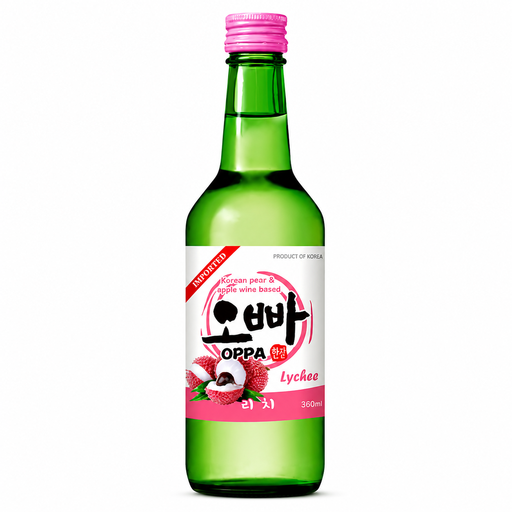
A perfect and trendy gateway into the world of Korean soju. Its fruity, sweet lychee flavour makes it very approachable and far less intimidating than a traditional white spirit. Ideal for a first-time experience or for making ultra-simple cocktails.
The product is upfront about what it is: a flavoured soju. No unpleasant surprises about authenticity, and its moderate alcohol content (12%) is perfect for a gentle introduction.
Its smooth, fruity taste makes it very easy to drink, either neat and chilled or in a cocktail. The ultimate social drink.
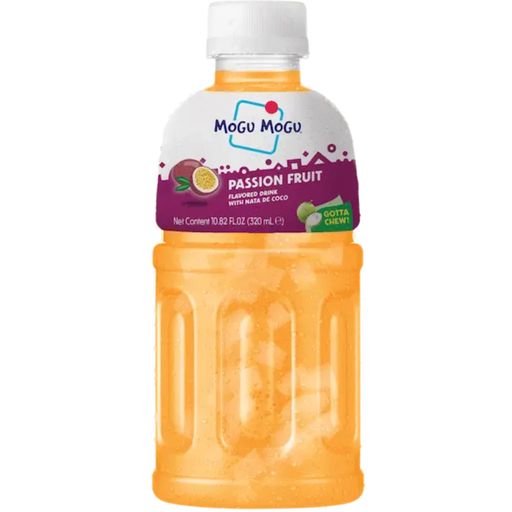
For those who want a drink that's out of the ordinary, Mogu Mogu is the benchmark. This Thai beverage combines passion fruit juice with chewy pieces of nata de coco (coconut jelly). Playful and ultra-refreshing.
The promise is clear: this isn't just a juice, but a drink with a unique texture. The ingredients are transparent, making it ideal for those watching their sugar intake.
A dual sensation: the fruity liquid and the chewy pieces. It's a drink you "eat" as much as you drink.
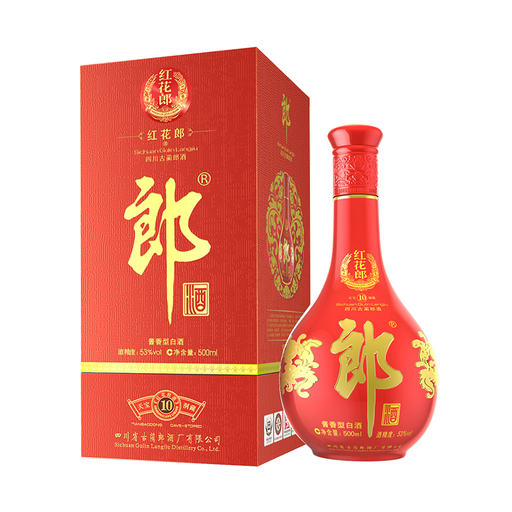
Stepping up in quality with this prestigious baijiu, perfect for a business gift, a major celebration (like the Mid-Autumn Festival), or for a connoisseur. It embodies an authentic, high-end facet of Chinese spirits.
Here, there's no room for confusion: this is an authentic baijiu with a "sauce" aroma, powerful at 53% ABV. Its premium status isn't just marketing; it's the result of expert craftsmanship and a prestigious origin.
Complex and elegant aromas, developed during ageing in a natural cellar. Its stunning red bottle makes it a gift that leaves a lasting impression.
Browse our complete selection of drinks, all carefully chosen for their quality and authenticity.
1. How should I serve soju or sake? Sake is generally enjoyed chilled, or even slightly warmed for certain types, in small ceramic cups. Soju is traditionally drunk ice-cold and neat from small shot glasses. Flavoured versions are also excellent in cocktails, mixed with soda or fruit juice.
2. What is the difference between baijiu and Chinese rice wine? The main difference lies in the production method and, consequently, the alcohol content. Baijiu is a distilled spirit, like whisky or vodka, with a high ABV (typically between 40% and 60%). Chinese rice wine (like Shaoxing or Huadiao wine) is a fermented beverage, like grape wine, with a much lower alcohol content (around 14% to 20%).
3. Where can I buy authentic Asian drinks online? To buy Asian drinks with confidence, turn to an online Asian grocery store that offers comprehensive product descriptions. Clear information on ingredients, origin, alcohol content, and the type of beverage (fermented, distilled, flavoured) is the best guarantee of quality. This ensures you'll find exactly what you're looking for, with no unpleasant surprises.