
Livraison le jour même ou le lendemain

Qualité garantie

Débloquez vos offres de bienvenue: Livraison GRATUITE | Jusqu'à -80 % | 30 jours d'essai gratuits à JoyPlus
Téléchargez l'application
Asian dried fruits stand out for their varied textures and flavours that are still relatively uncommon in France: tender mango, salty and tangy plums, soft hawthorn, crisp jujubes and sweet coconut. However, be careful: the packaging can sometimes suggest a more natural product than the recipe actually is.
Before ordering Chinese snacks, Chinese candied fruits or specialities from the Philippines, keep three potential pitfalls in mind.
Ingredients are generally listed in descending order by quantity. Dried mango made with 90% mango, such as Jia Jian Cheng Chu’s Philippine Style Dried Mangoes, is in a different category from confectionery containing a combination of syrups, acidity regulators and flavourings.
For dried tropical fruits, check in particular:
A short ingredients list alone does not guarantee that everyone will enjoy the product. It does, however, help you determine whether you are buying dried fruit, candied fruit or a snack that is closer to confectionery.
Texture plays a central role in the tasting experience. Dried mango is generally soft and chewy, while low-temperature-cooked jujubes can become crisp. Dried plums and hawthorn strips are usually tender, sometimes dense and slightly sticky.
The packaging should also match the intended use:
Resealable packaging and individual portions also help reduce the risk of the product drying out after opening.
Compare the information per 100 g, rather than looking only at the values for a single serving. Several products featured here are high in carbohydrates and sugars, which is common among Chinese candied fruits and sweetened tropical fruits.
Also check:
Always read the label and storage instructions shown on the sachet you receive. For children, firm pieces, individually wrapped sweets and small formats should be consumed under adult supervision.
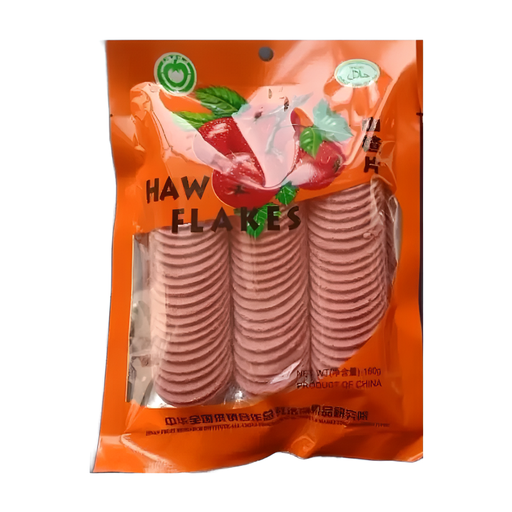
Why this choice suits this profile : At 160 g, this product is a convenient way to discover dried hawthorn without buying several different varieties. Its soft texture and sweet-tangy flavour work equally well for solo snacking or sharing.
The product details specify a recipe based on hawthorn, sugar and water. You therefore know that this is a fruit confectionery product, not unsweetened dehydrated fruit.
160 g, ready to enjoy, with no allergens declared in the product details.
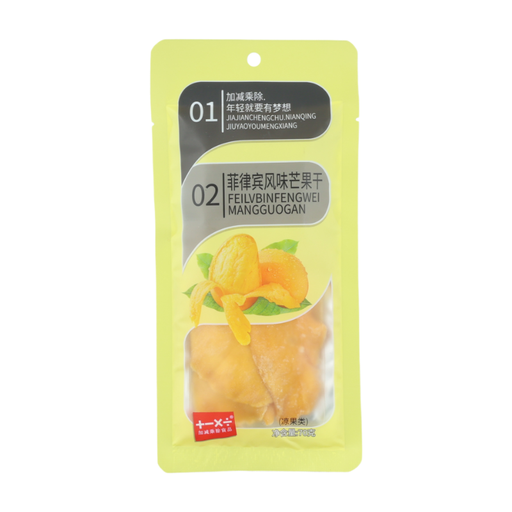
Why this choice suits this profile : This product puts mango centre stage, with 90 % fruit listed in the composition. It should appeal to fans of Philippine dried fruit looking for tender, tangy slices.
The mango content is clearly stated and sulphites are explicitly declared. You therefore have concrete information to review before placing your order.
70 g, 90 % mango stated, with no artificial colourings mentioned in the description.
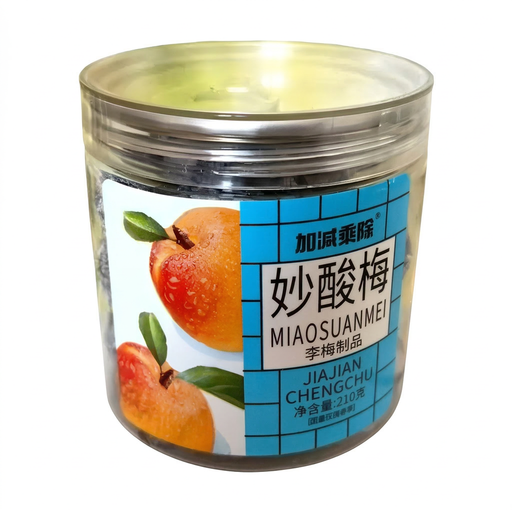
Why this choice suits this profile : Its resealable 210 g jar is well suited to regular fans of dried plums and sweet-and-savoury snacks, whether at home or in the office.
The product details state 5 432 mg of sodium per 100 g. This is important to bear in mind and makes it better suited to small portions than unrestricted daily snacking.
210 g format, practical resealable jar and a pronounced sweet-and-sour flavour.
We have brought together a comprehensive, real-time selection of products that meet these strict criteria and European safety requirements.
For a quick break, opt for a 50 to 80 g pouch of mango, pineapple or strawberries. Individual formats slip easily into a bag and limit exposure to humidity once opened.
For sharing, hawthorn assortments, assorted 90 g plum packs or 400 g honey jujubes offer more generous quantities. If you enjoy trying something different, Philippine mango and tamarind bites combine tanginess, sweetness and a subtle spicy note, all in individual portions.
Finally, if you are looking for a texture that differs from classic dried fruit, crisp jujubes contain palm oil. Be sure to check the “fat” line before making your choice.
No. It depends entirely on the production method. Some products focus primarily on the fruit, while others add sugar, syrup or honey. Mango, hawthorn, candied orange and preserved plums should each be assessed separately by checking their labels.
Reseal the packaging carefully and store it in a cool, dry place away from sunlight and humidity. Shelf life depends on the recipe and packaging. To preserve the texture, consume the product soon after opening and follow the date indicated on the packaging.
The products featured are indicated as ready to eat. Simply open the pouch or individual pack. However, check the warnings, particularly for any declared sulphites, and never consume an oxygen absorber placed inside a pack.