
Livraison le jour même ou le lendemain

Qualité garantie

Débloquez vos offres de bienvenue: Livraison GRATUITE | Jusqu'à -80 % | 30 jours d'essai gratuits à JoyPlus
Téléchargez l'application
Asian dried fruits are loved for their exotic flavours, convenient format and long shelf life. But the packaging doesn't tell you everything. Between heavily sweetened dried fruit, nuts sold in large bags and ingredient lists that are tricky to decode, some purchases can quickly disappoint.
Here are the main pitfalls to avoid and the criteria to check before ordering dehydrated fruit, nuts or dried fruit snacks in the UK.
Dehydration naturally concentrates the sugars already present in the fruit. However, many Chinese dried fruits also contain added sugar, glucose syrup, maltose or sweeteners. A dried mango can offer a pleasant texture while still having a high sugar content.
Always check the ingredient list and the nutritional information per 100g. Also remember to look at the net weight: a small packet may seem affordable, but can work out much more expensive per kilo than a larger format.
These terms don't necessarily tell you the full composition of the product. Dried jujubes, dried red dates or dried plums may contain acidity regulators, preservatives, colourings or flavourings. The presence of sulphites must be declared if it exceeds the applicable regulatory thresholds.
If you're buying for a child, pay attention to warnings associated with certain colourings, particularly when a product carries a mention regarding activity and attention.
A 500g bag can be suitable for a family or regular consumption, but it needs to be properly resealable after opening. Dehydrated fruit quickly absorbs moisture and can then become sticky. Smaller formats, on the other hand, are easier to slip into a school bag, lunchbox or desk drawer.
When the information is available, check the actual fruit content. Some dried strawberries, for example, state a minimum of 65% strawberries, while dried pineapple may advertise at least 75% fruit. This percentage should, however, be considered alongside the amount of added sugar.
Origin also gives some clues: Chinese snacks are often made in China, while some coconut-based products come from the Philippines or Thailand. It doesn't guarantee taste or quality, but helps you better understand the style of product you're looking for.
Dried fruit is naturally more concentrated than its fresh equivalents. As a guide, Be&Cheery dried mango has 342 kcal and 72.6g of sugars per 100g, while the same brand's dried strawberries show 314 kcal and 59.4g of sugars per 100g.
Nuts follow a different logic: they generally contain little sugar, but can be high in fat and calories. Be&Cheery cashew nuts have 679 kcal per 100g, with 98% cashew nuts and 2% salt. It's therefore better to adjust the portion to your intended use rather than comparing products solely on their calorie count.
Before placing an order, check the allergens, particularly for cashew nuts, tree nuts and coconut. Sulphites may be present in certain dried strawberries, apples, plums or pineapple slices. Also look out for any warnings related to colourings such as E129, E102 or E110.
The online product page is a good starting point, but the label on the product you receive is the definitive source for the ingredients, best-before date and storage conditions. If there's any discrepancy, trust the packaging.
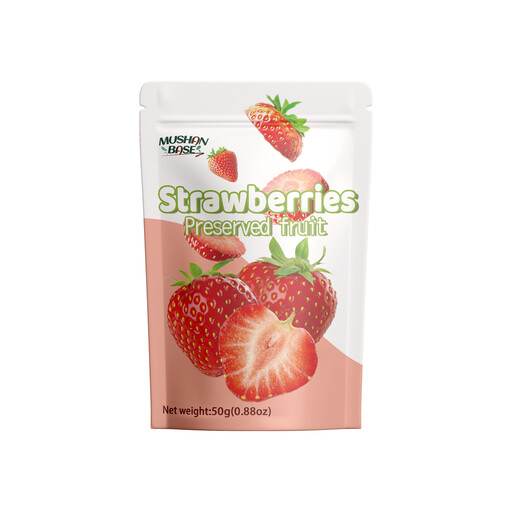
Why this suits this profile: At 50g, this packet lets you try dried strawberries without committing to a large stock. It slips easily into a bag or lunchbox.
The net weight is clearly stated and the ingredient list mentions dried strawberries as well as sugar. The product page notes the absence of allergens.
A compact 50g packet, a chewy texture and 6g of fibre stated per 100g.
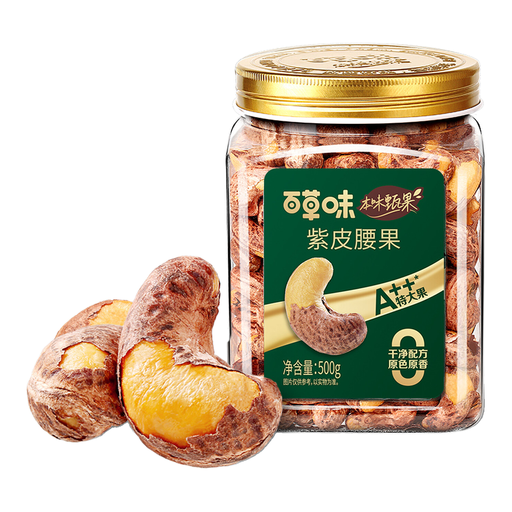
Why this suits this profile: This large pack is ideal for cashew nut lovers who want plenty on hand for aperitifs, creating mixes or sharing a treat.
The ingredients state 98% cashew nuts and 2% salt, so you know the seasoning level straight away.
A 500g format, a crunchy texture as described, and clear mention of the "tree nuts" allergen.
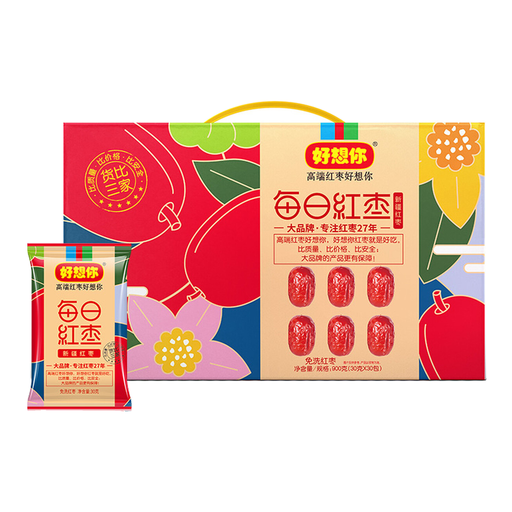
Why this suits this profile: The 30 individual 30g sachets make storage, sharing and daily consumption easy, whether at home or in the office.
Individual portions mean you don't have to keep opening a large bag. Please note: the red dates are sold with their stones.
A stated composition of 100% red dates and no declared allergens on the product page.
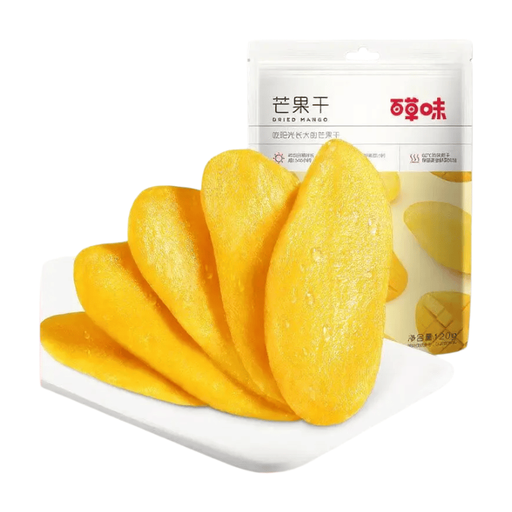
Why this suits this profile: Its soft texture and 120g packet are perfect for work breaks, days out and tropical flavour cravings.
The product page details the ingredients, notes the absence of declared allergens and states the presence of sugar. So there's no mistaking it for natural mango.
At least 120g per packet, no artificial colourings stated in the description, and a product ready to enjoy.
We've compiled a complete, real-time selection of products that meet these exacting criteria and comply with European safety regulations.
It all depends on the best-before date, the moisture content and the type of packaging. Before opening, store the packet in a cool, dry place away from direct light. After opening, seal it carefully and consume the contents quickly to prevent it from absorbing moisture.
Both versions exist. The product page for the 900g Hao Xiang Ni pack states that the dates are with stones. Check this point if you plan to use them in a recipe or give them to young children.
Always work out the price per 100g or per kilo. Then compare the ingredients, the fruit content, the amount of added sugar, the allergens and the type of packaging. A large format is only good value if you can store it properly and eat it before it loses its texture.