
Livraison le jour même ou le lendemain

Qualité garantie

Débloquez vos offres de bienvenue: Livraison GRATUITE | Jusqu'à -80 % | 30 jours d'essai gratuits à JoyPlus
Téléchargez l'application
An Asian curry paste can sometimes transform a dish of vegetables, tofu, meat or fish in just a few minutes. But not all products are created equal, and they don't all work the same way. Concentrated paste, ready-to-heat sauce, Japanese roux block or curry powder – the right choice depends mainly on the level of heat, the ingredients, the format and how much time you have in the kitchen.
The most common pitfalls are actually easy to avoid.
Thai curry paste is typically cooked with coconut milk or stock. The green, red, yellow and Massaman versions each have their own profile:
In Japanese cooking, Japanese curry mix most often comes as roux blocks to dissolve in water. A ready-to-use Japanese curry sauce requires even less preparation, but may contain wheat, milk, honey or peanuts.
Indian curry, meanwhile, is available as a paste, sauce or powder. Madras curry is generally more aromatic and spicier, while Korma focuses more on a creamy texture and mild spices. Tikka Masala paste serves as a base to be finished with vegetables, tofu or another source of protein.
Labels saying 'mild', 'medium' or 'hot' give you a starting point, but they don't replace checking the ingredient list. A concentrated paste is used in small amounts, often with coconut milk, water or tomatoes. If you're a beginner, add it gradually and taste after diluting.
A product labelled as vegan curry also deserves a close look. Some red or Massaman pastes contain shrimp paste, even when the recipe seems to be mostly spices and aromatics. As for the phrase 'no declared allergens', it doesn't guarantee a product is suitable for everyone with allergies – any potential traces and the information on the packaging must be taken into account.
A 50 g sachet can be enough for one or two dishes while keeping waste to a minimum. Jars of 300 to 400 g offer better value if you cook regularly. For a restaurant or catering business, the 1 kg format can reduce stock changes, provided you follow the manufacturer's recommendations.
After opening, many pastes need to be refrigerated in an airtight container and used within the stated time. Jarred sauces may also have a shorter shelf life once opened. So don't rely solely on the best-before date – the instructions after opening are just as important.
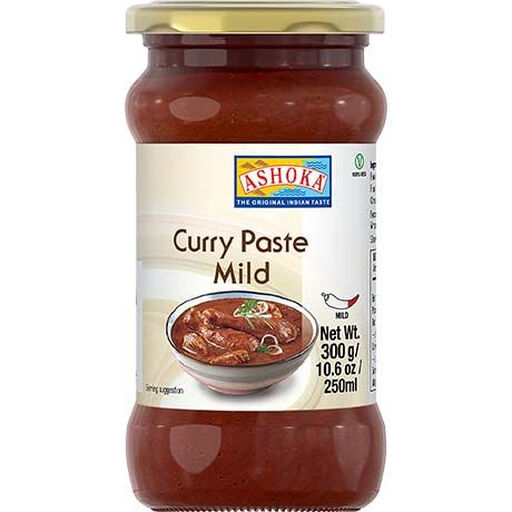
Why this suits this profile: This mild base blends easily with onions, tomatoes, water or coconut milk. Its 300 g format lets you experiment several times without jumping straight to a professional-sized pack.
The mild label reduces the risk of ending up with an overly spicy dish. The ingredient list also lets you spot mustard and any traces to watch out for.
A versatile paste made with coriander, cumin, turmeric, ginger and garlic. It works well in curries, stewed dishes and marinades alike.
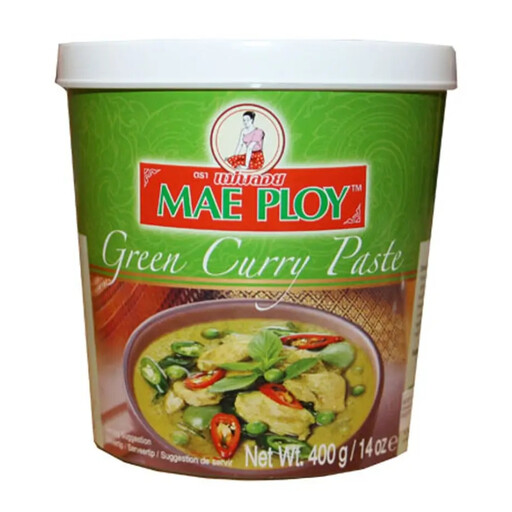
Why this suits this profile: Its blend of green chilli, lemongrass, galangal and kaffir lime is aimed at those seeking an aromatic Thai base to work with coconut milk.
At 400 g, this jar stops you from going through lots of small sachets. You can also measure the paste and coconut milk separately to adjust the heat level.
A family or professional-sized format, with no declared allergens on the provided datasheet. Keep refrigerated after opening, as stated on the label.
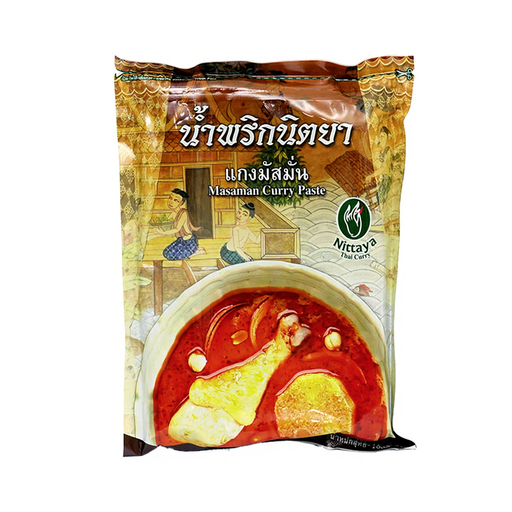
Why this suits this profile: This one-kilogram pack is aimed at restaurants, caterers and households that regularly make Massaman curries, soups or marinades.
The large size reduces the risk of running out, but the label notes the presence of soya and possible traces of shrimp – something to check for vegetarian or vegan menus.
A blend of chilli, lemongrass, galangal, cinnamon, cardamom and cloves. The manufacturer states no artificial colours or preservatives.
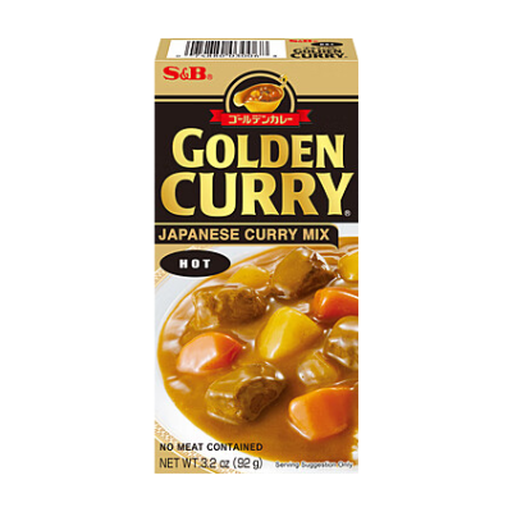
Why this suits this profile: The roux block dissolves into the preparation once the vegetables and protein source are cooked. It works well with both rice and noodles.
The proportions are clearly stated: around 540 ml of water for five servings. However, the allergens – wheat, celery and mustard – need to be taken into account.
A 92 g format, two-step preparation and a clearly labelled hot profile.
We've put together a comprehensive, real-time selection of products that meet these demanding criteria as well as European safety regulations.
For a Thai paste, fry it briefly in a little oil to release the aromas, then add the coconut milk or stock. Next, add the vegetables, tofu or meat, and follow the stated cooking time. With an Indian paste, onion and tomato help create a smoother base. As for ready-to-use sauces, heat them according to the instructions and do not eat them raw if cooking is specified.
After opening, seal the jar tightly and place it in the fridge if the manufacturer recommends it. Always use a clean spoon to avoid contaminating the paste. For larger formats, make a note of the opening date too.
MAMA Vegan green and yellow pastes are listed as containing no declared allergens on the provided datasheets. Sunlee Massaman paste is also formulated for vegan cooking, but it does contain soya. Always check the label on the batch you receive, especially regarding any potential traces and changes to the recipe.
Gradually add coconut milk, stock or a vegetable base. You can also increase the amount of non-spicy ingredients to reduce the heat. Avoid relying solely on sugar – it alters the flavour balance without really replacing dilution.
It depends on the product. Some labels recommend refrigeration and consumption within a few weeks; others say six weeks or six months. The instruction printed on the packaging always takes precedence over general advice.