
Livraison le jour même ou le lendemain

Qualité garantie

Débloquez vos offres de bienvenue: Livraison GRATUITE | Jusqu'à -80 % | 30 jours d'essai gratuits à JoyPlus
Téléchargez l'application
Are you looking for Asian crackers and savoury biscuits for aperitifs, a break at the office, or a journey? With rice-based recipes, savoury biscuits, spicy versions, and filled sweet biscuits, it’s easy to feel overwhelmed. The packaging often highlights crunchiness, an ‘authentic’ flavour, or a light recipe, without always giving you the most useful information when it comes to choosing.
Three common mistakes keep cropping up:
Here are the criteria to consider before putting together your selection.
Rice crackers and crispy rice cakes generally offer a light, satisfyingly crunchy texture. Their recipe is often based on puffed or moulded rice. In Thai and Japanese versions, rice is frequently combined with soy sauce, seaweed, or various spices.
Biscuits made from wheat flour, such as soda-style crackers, have a more uniform texture and pair easily with cheese, spreads, or soup. Recipes based on peas or beans can suit those looking for vegetarian snacks, provided you check the full ingredient list.
Look at the proportion of the main ingredient. Some products state, for example, 64.8% rice, while others barely exceed 60%.
In France and the European Union, allergens must be clearly shown on the label. For Asian snacks, the most common mentions relate to:
A product may be presented as vegetarian while still containing soya, milk, or certain seasoning additives. If you have an allergy or intolerance, always check the packaging you receive: the recipe and information can change.
Crunchiness depends on the recipe, the baking method, and, above all, moisture. Oven-baked crackers, particularly in the soda-biscuit family, aren’t necessarily lower in calories. Compare the nutritional values per 100g rather than relying solely on the claims highlighted on the packet.
To keep a pleasant texture:
Individual portions, like those of the JINJU Rice Cracker, are particularly convenient to carry and limit exposure to air.

Why this choice suits this profile: At 150g, this format lets you discover Thai rice crackers with their gentle soy flavour, perfect for sharing or slipping into a bag.
The product page states the rice proportion, the presence of soya and wheat among the allergens, and the storage instructions after opening.
A light, crunchy texture, a recipe stated as GMO-free, and a practical bottle for sharing.
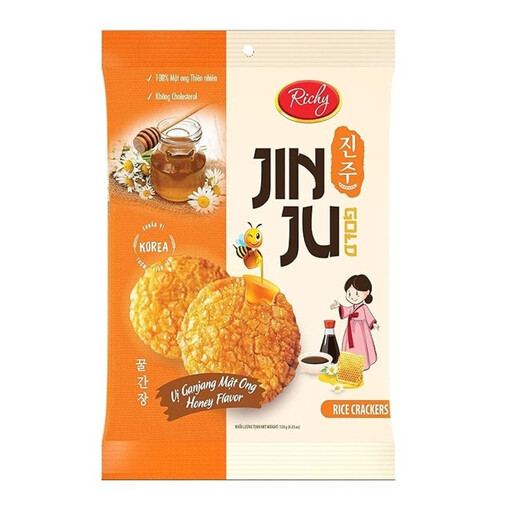
Why this choice suits this profile: The combination of honey and soy sauce appeals to fans of sweet-and-savoury flavours and Japanese crackers to enjoy with tea.
Individually wrapped portions help preserve the crunchiness and allow you to serve the desired amount.
Stated Japanese Japonica rice, 4.6% honey, a 100g format, and no trans fats indicated on the product page.
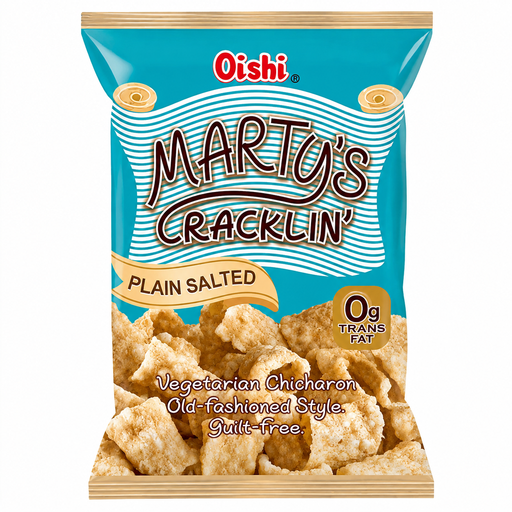
Why this choice suits this profile: This compact bag is aimed at those seeking maximum crunchiness and a green pea-based recipe, easy to take along for a snack on the go.
The product page states it is a vegetarian recipe and clearly indicates the presence of soya, without suggesting the product is free from all allergens.
A 90g format that’s easy to carry, a green pea base, a chicharon-style texture, and a salted seasoning.
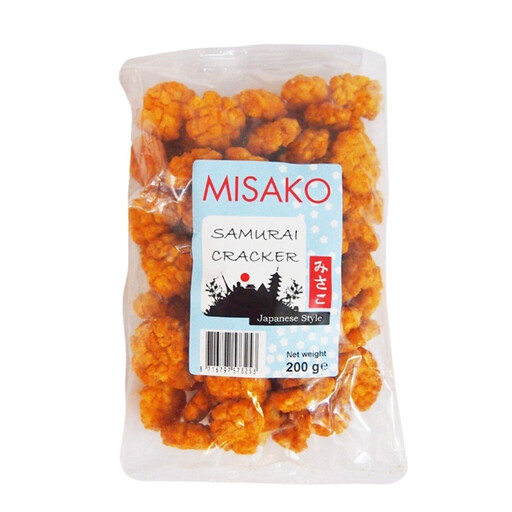
Why this choice suits this profile: At 200g, this bag easily finds its place on an aperitif table and suits fans of spicy crackers to share over a drink.
The presence of chilli, soy sauce, and gluten is stated: so you know what to expect in terms of intensity and allergens.
An assortment of rice crackers, a 200g pack, and a stated salt content of 2g per 100g.
We have put together a comprehensive, real-time updated selection of products that meet these demanding criteria and European food safety regulations.
For a family tasting, pair a mild rice-based recipe, a fairly neutral savoury biscuit, and a more punchy option. Sesame crackers pair effortlessly with spreads, while spiced versions add more character to the aperitif. For a sweet break, chocolate biscuits or filled sweet biscuits with pineapple can round things off.
Also vary the formats: small bags slip into a bag or desk drawer, while 150g to 300g boxes are better suited to gatherings and group aperitifs. Compare the nutritional values per 100g, then check the net weight and best-before date shown on the packaging.
No. Japanese, Thai, or Chinese crackers may be primarily made from rice, but also from wheat, maize, tapioca, or pulses. The ingredient list will tell you the actual base of the product.
Reseal the packet carefully or transfer the biscuits to an airtight container. Store them in a dry place, away from heat and light. Avoid the fridge: its humidity can affect their texture.
Yes, some recipes are made from green peas, rice, or vegetables. However, the ‘vegetarian’ label doesn’t mean you can skip checking the allergens and seasonings: depending on the recipe, the product may contain soya, wheat, milk, or seafood powder.