
Livraison le jour même ou le lendemain

Qualité garantie

Débloquez vos offres de bienvenue: Livraison GRATUITE | Jusqu'à -80 % | 30 jours d'essai gratuits à JoyPlus
Téléchargez l'application
Want to bring the rich, complex flavours of Asian cuisine into your home, but the sauce aisle is making your head spin? Between soy sauce, oyster sauce, chilli pastes, and a myriad of other condiments, it's hard to know where to start. The goal: to find the versatile Asian cooking sauce that will effortlessly elevate your dishes.
This guide is here to help. Our editorial mission is to introduce you to practical and flavourful options, and to decode the labels to help you make an informed choice.
Before we get to our selection, here are a few key points for choosing your Asian seasoning.
Umami, often described as the fifth taste, is that deep, savoury flavour that makes Asian cuisine so addictive. It can come from different sources:
A good Chinese condiment should be adaptable for multiple uses. Ask yourself how you plan to use it most often:
Take a moment to look at the ingredients list. The first ingredient listed is always the one present in the largest quantity. For a mushroom sauce, for example, a high percentage of mushrooms (45% in some products) is an excellent sign of quality. Likewise, the presence of ingredients like fermented soybeans, spices, or chillies often indicates a richer flavour profile.
We have selected three sauces that stand out for their taste and versatility, helping you perfect all your homemade Asian dishes.
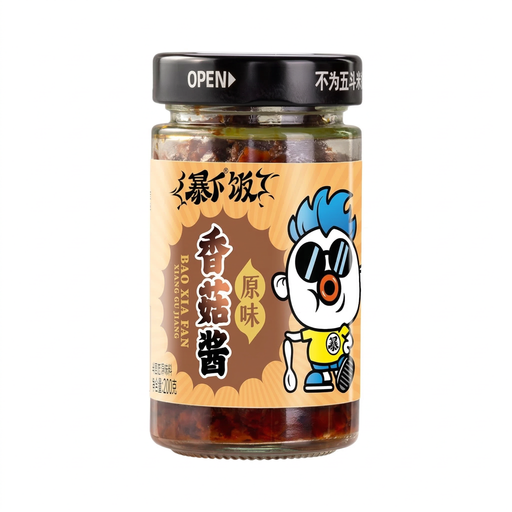
Why it stands out This sauce's strength? Its high concentration of mushrooms and its blend of fermented pastes (broad bean and black bean), which give it a remarkable umami depth. The touch of chilli and white sesame adds a beautiful aromatic complexity without ever being overpowering.
Pros
Who is it for? Ideal for cooks (including vegetarians) looking for a rich, textured sauce to liven up simple dishes like plain rice or a vegetable stir-fry.
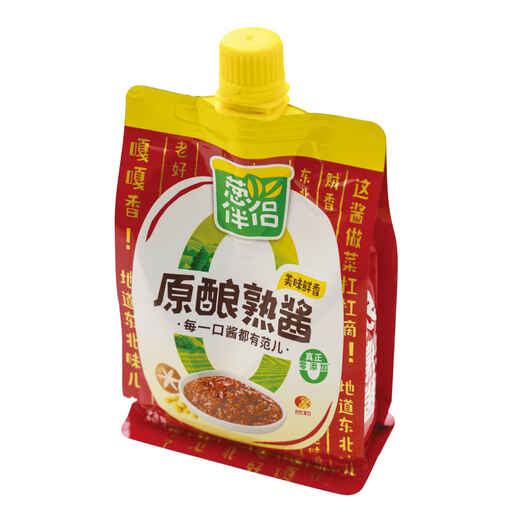
Why it stands out This sauce focuses on a meticulous production process: a 90-day fermentation of soy and wheat, and the inclusion of five types of mushrooms (shiitake, matsutake, porcini...). The result is a deep, balanced flavour, guaranteed free from artificial preservatives and sweeteners.
Pros
Who is it for? Perfect for fans of authentic flavours from traditional processes, who are looking for a practical, everyday product to season a wide variety of dishes, from cold salads to stir-fries.

Why it stands out An iconic product from the Lee Kum Kee brand, this oyster sauce is a cornerstone of Chinese cooking. Made from oyster extracts, it offers a savoury marine umami, a glossy colour, and an ideal consistency for coating and glazing dishes.
Pros
Who is it for? The must-have for anyone wanting to cook traditional Chinese dishes. It's the essential pantry staple for adding authentic umami to almost all of your savoury preparations.
Our selection is an excellent starting point for elevating your recipes. But the world of Asian sauces is vast and full of hidden gems. If you're looking for more specific flavours—a more intense chilli sauce, a Chinese hot pot base, or gluten-free options—feel free to explore our full range.
Discover our full range of Asian sauces
For a stir-fry, the principle is simple: sauté your ingredients (protein, vegetables) over high heat in a little oil. Once they are almost cooked, deglaze the pan with 2 to 3 tablespoons of stir-fry sauce. Mix well for one minute to coat all the ingredients and allow the sauce to thicken slightly. Serve immediately.
Soy sauce is made from fermented soybeans, water, salt, and grains. It is primarily salty and provides a basic umami flavour. Oyster sauce, on the other hand, is more complex: made from oyster extracts, sugar, and salt, it is often thickened with starch. It is less salty than soy sauce, sweeter, thicker, and has a deep, savoury marine umami. As a general rule, they are not interchangeable.
Most sauces, like oyster sauce or mushroom sauce, should be stored in the refrigerator after opening. They can typically last for several weeks, or even months. It's always best to refer to the instructions on the packaging for the optimal storage time and conditions.