
Livraison le jour même ou le lendemain

Qualité garantie

Débloquez vos offres de bienvenue: Livraison GRATUITE | Jusqu'à -80 % | 30 jours d'essai gratuits à JoyPlus
Téléchargez l'application
You've mastered your knife skills, you've found the perfect soy sauce, but your wok stir-fries still lack that inimitable restaurant flavour? The secret often lies in an ingredient we tend to overlook: the cooking oil. Choosing the right Asian cooking oil isn't just a minor detail—it's the foundation that will define the aroma, texture, and authenticity of your dish.
As a product expert at Joybuy, my mission is to help you navigate the options to find the ingredients that will transform your cooking. This guide breaks down specific oils, each with its own character, so you can finally recreate the flavours you love at home.
Before you fill your basket, here are a few essential criteria to guide you. The choice depends entirely on your intended use: high-heat searing, deep-frying, or simply adding a finishing touch of flavour to a dish.
The smoke point is the temperature at which an oil begins to break down and smoke, which can alter the taste of your food and release harmful compounds. For the very high-temperature cooking typical of a wok, an oil with a high smoke point is a prerequisite.
Not all oils are meant for the pan. In Asian cuisine, this distinction is crucial:
For certain recipes, particularly in Chinese cooking, vegetable oils aren't enough to replicate the original taste and texture. Lard for Chinese cooking is a traditional ingredient that brings an unmatched richness and tenderness to certain stir-fries, noodle soups, and even pastries.
Here is a selection of three products that cover different needs, from wok stir-frying to the final aromatic touch.

Why we chose it This oil from Lee Kum Kee is a blend of sesame oil (50%) and soybean oil, giving it a powerful toasted sesame aroma while remaining great value. It is the quintessential finishing oil, designed for flavouring rather than cooking. Just a few drops are enough to transform a noodle dish, salad, or soup.
The pros
Who is it for? For cooks looking to add that authentic, aromatic finishing touch to their Asian dishes. It's the secret ingredient for anyone preparing Asian-inspired salads, dumplings, or noodle dishes.
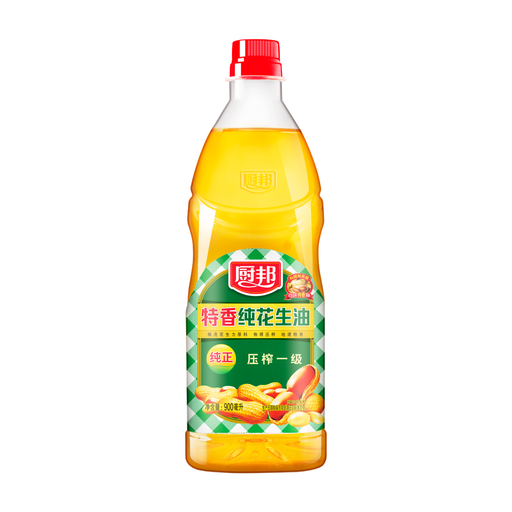
Why we chose it This oil is made from 100% pure peanut oil, extracted by pressing to preserve its natural peanut aroma. Its high smoke point is its main advantage, making it perfect for high-heat cooking like wok stir-fries or deep-frying. It imparts a subtle flavour that complements many dishes without ever overpowering them.
The pros
Who is it for? This is the go-to oil for wok enthusiasts. If you love making dishes like Kung Pao chicken, beef with onions, or stir-fried vegetables, this peanut oil will ensure flawless cooking and an authentic taste.
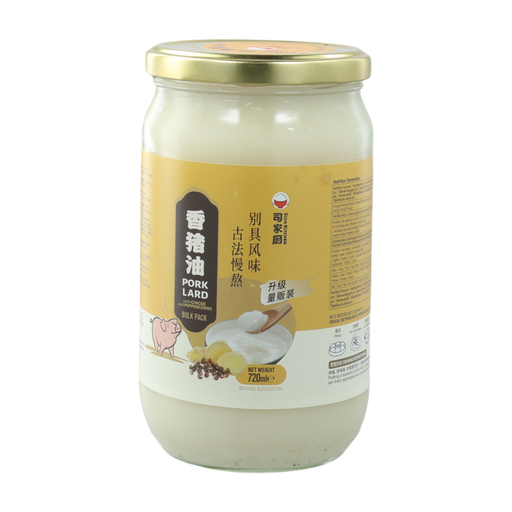
Why we chose itLard for Chinese cooking is a chef's secret for achieving a rich flavour and unctuous texture. This product from Sijia Kitchen is made from high-quality pork fat using traditional methods. Its creamy texture and pure aroma make it a key ingredient for many regional dishes, from Dan Dan noodles to Chinese pastries.
The pros
Who is it for? For purists and culinary adventurers who want to recreate the authentic taste of traditional Chinese cuisine. If you've ever felt that 'something' was missing from your bowl of noodles or fried rice, lard might just be the answer.
Does your recipe require a different note, or are you simply curious to explore other aromas? Asian cuisine is a continent of flavours to explore.
Discover our wider collection of fragrance and seasoning oils to enrich your culinary palette and find the ingredient that will take your taste buds on a journey.
Regular (or cold-pressed) sesame oil has a light colour and a mild sesame taste. It has a higher smoke point and can be used for medium-heat cooking. Toasted sesame oil, like the one from Lee Kum Kee, is made from roasted sesame seeds. It has a darker colour and a much more intense aroma. It doesn't handle heat well and is therefore used exclusively as a finishing touch, like an Asian seasoning.
Although olive oil is an excellent healthy oil, its distinctively fruity and peppery taste generally doesn't pair well with the flavours of most East and Southeast Asian cuisines. For an authentic result, it's better to opt for more neutral oils like peanut, rapeseed (canola), or sunflower oil for cooking, and specific oils like sesame for flavour.
Traditional ingredients like cooking lard can be hard to find in mainstream supermarkets. Turning to an online Asian grocery store like Joybuy is a convenient way to access a wide range of authentic products delivered right to your door, letting you focus on what matters: the cooking.