
Livraison le jour même ou le lendemain

Qualité garantie

Débloquez vos offres de bienvenue: Livraison GRATUITE | Jusqu'à -80 % | 30 jours d'essai gratuits à JoyPlus
Téléchargez l'application
Struggling to recreate the authentic flavours of a dish you tasted in Asia? Think again. The secret isn't a complex chef's technique, but simply choosing the right ingredients. At the heart of countless recipes, Asian condiment pastes are the key to adding depth, heat, and that irresistible umami flavour.
But with increasingly crowded supermarket shelves, it can be hard to know where to start. This guide is here to help you choose the condiment pastes that will truly transform your cooking. We'll focus on the essentials: ingredients, origin, and use.
A few simple criteria are all you need to make the right choice. Here are three things to check before you add an item to your cart.
The composition is the first indicator of authenticity. A quality paste relies above all on traditional ingredients.
As a general rule, a short, clear ingredient list is a good sign.
The geographical origin and manufacturing process have a direct impact on the taste. A Sichuan seasoning like doubanjiang owes its complexity to an ancient fermentation method. Similarly, a Japanese miso aged in traditional wooden barrels will develop an unparalleled depth of flavour. Paying attention to these details ensures you get the authentic flavour profile you're looking for.
Not all pastes are created equal, especially when it comes to heat or saltiness. Doubanjiang is known for its salty, deep power, while red curry paste offers a more aromatic and complex heat. Red miso, on the other hand, delivers a very pronounced salty and umami profile. Identify the profile you need for your recipe to hit the mark.
To start or expand your pantry of Asian cooking ingredients, we've selected three essential products, each representing a great culinary tradition.
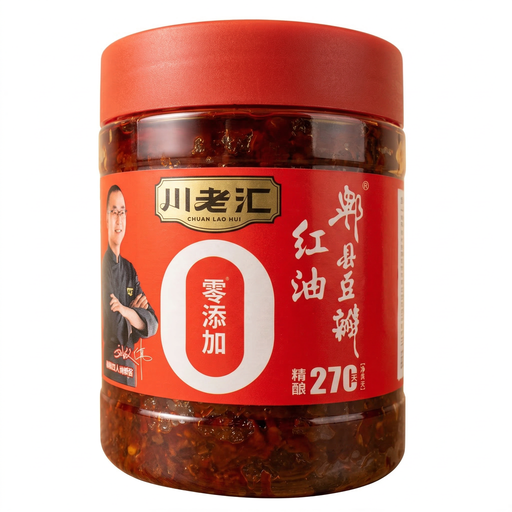
Why It Stands Out
This Pixian doubanjiang is the soul of Sichuan cuisine. Made from premium broad beans and chillies, it is fermented using traditional methods. The addition of red oil gives it a vibrant colour and a spicy, rich, and complex flavour with a hint of sweetness. It's the ultimate ready-to-use ingredient for instantly adding an authentic Sichuan touch to your dishes.
Benefits
Who Is It For?
For all cooks, from beginners to experts, who want to experience the true taste of Sichuan. A must-have for anyone interested in this Sichuan seasoning.
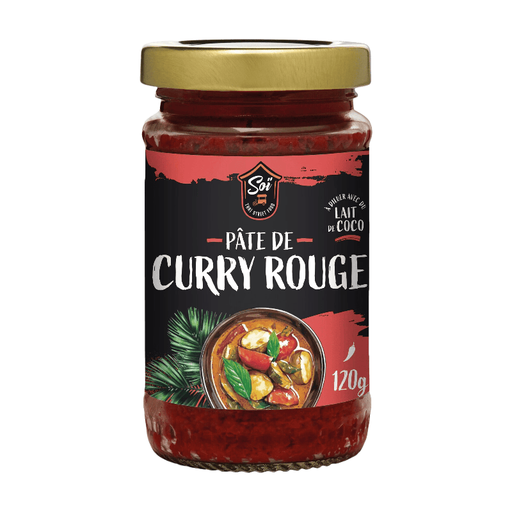
Why It Stands Out
This red curry paste follows an authentic Thai recipe. It combines red chilli, lemongrass, shallot, garlic, galangal, and spices to create a perfectly balanced and aromatic Thai curry base. Its 120g size is ideal for home use: simply combine it with coconut milk to whip up a traditional red curry in an instant.
Benefits
Who Is It For?
For anyone who wants to make a delicious Thai curry without running to multiple shops for a dozen fresh ingredients. Ideal for impromptu weeknight dinners and weekend meals alike.
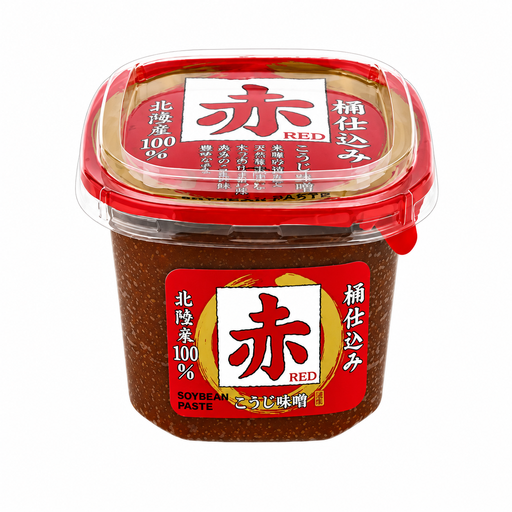
Why It Stands Out
This aka miso (red rice miso) is the result of authentic Japanese craftsmanship. It is aged for an extended period in traditional wooden barrels, a method that allows it to develop a rich and deep umami. Made with pure water from the Toyama region, this miso offers a rare aromatic complexity, a world away from mass-produced alternatives.
Benefits
Who Is It For?
For Japanese cuisine enthusiasts who want to make miso soup with an authentic taste or are looking for a bold condiment for their broths, stews, and marinades. An excellent choice for lovers of powerful fermented flavours.
Our selection focuses on three pillars of Asian cuisine, but the world of condiments is nearly infinite. If you're curious to discover other hidden gems or are looking for a specific paste for a recipe, feel free to explore our catalogue.
Explore our collection to find the inspiration and ingredients your kitchen is missing.
Discover Our Range of Red Pastes
Most of these pastes, especially those based on chilli or fermented soybeans, keep very well. Once opened, store the jar tightly sealed in the refrigerator. The layer of oil found on some pastes (like doubanjiang) acts as a natural preservative. Always refer to the product label for specific instructions, but you can generally use them for several months.
The main difference lies in the fermentation time and the proportion of ingredients. Aka miso (red) is fermented longer and typically contains more soybeans relative to rice. The result is a darker colour and a stronger, saltier, and more umami-rich flavour. In contrast, shiro miso (white) is fermented for a shorter period with more rice, giving it a milder, sometimes slightly sweet, taste.
Absolutely. An online Asian grocery like Joybuy.fr is the ideal resource for finding these authentic products. You'll have access to a much wider variety of brands and condiments than in conventional supermarkets, with the added convenience of home delivery.