
Livraison le jour même ou le lendemain

Qualité garantie

Débloquez vos offres de bienvenue: Livraison GRATUITE | Jusqu'à -80 % | 30 jours d'essai gratuits à JoyPlus
Téléchargez l'application
Asian coated peanuts are all about crunch and bold seasoning: chilli, barbecue sauce, garlic, seaweed or wasabi. But a colourful packet doesn't always tell you much about the actual intensity, the peanut content, or how well the product holds up once the bag is opened.
Before you place an order, three common pitfalls keep cropping up:
To put together a varied Asian aperitif, start by deciding which profile appeals to you:
So the word "spicy" isn't a precise measure. To know what you're in for, check the ingredients list and take your own heat tolerance into account.
Coated products often contain peanuts, wheat or gluten, but also sometimes soya, sesame or other tree nuts. If you have an allergy or intolerance, reading the label is essential.
Koh-Kae BBQ peanuts, for example, contain peanuts, wheat and soya. The Korean Spicy Chicken recipe also mentions sesame. Huang Fei Hong Spicy Peanuts contain peanuts and soya, with a risk of traces of sesame, fish or crustaceans due to the manufacturing process.
Nutritional information is usually given per 100 g. This makes comparisons easier, even though the amount you actually eat is often much less, especially when sharing an aperitif.
For solo snacking, a 45 to 110 g bag reduces the risk of leaving the packet open once you've started. For a party or office snacking, 160 to 230 g formats are more practical.
After opening, seal the packet carefully and store it in a cool, dry place away from moisture and direct light. This will help keep the coating crunchy for longer. Some products need to be eaten quickly after opening – always follow the instructions on the packaging, especially for roasted peanuts and flour-coated recipes.
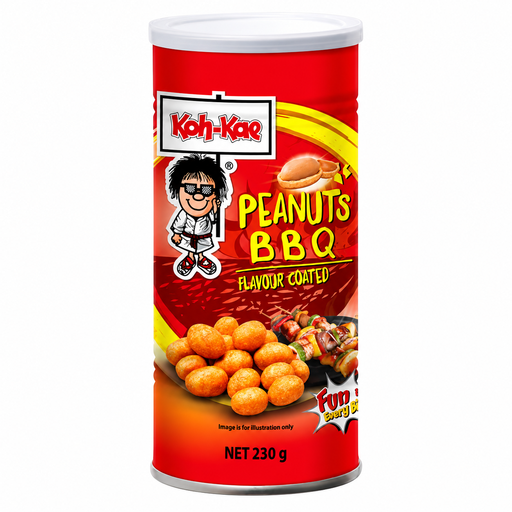
Why this suits this profile: With its smoky, sweet notes, the BBQ seasoning is an easy gateway into the world of Asian snacks. The 230 g bag also works well for sharing with friends.
The weight is clearly displayed and the packaging can be resealed. The ingredients list also lets you spot wheat, soya and peanuts before you buy.
A generous 230 g format, ready to serve, with 530 kcal and 1.5 g of salt per 100 g according to the information provided.
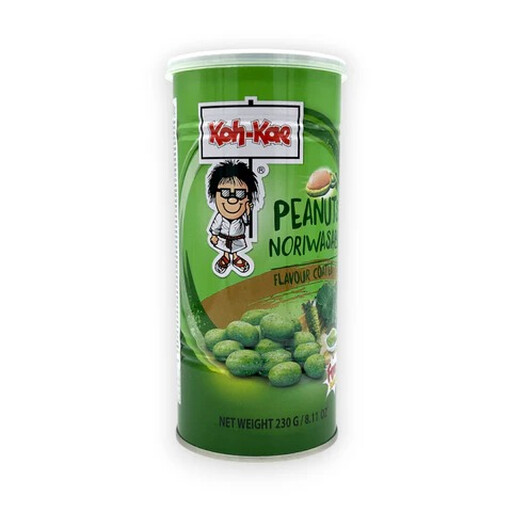
Why this suits this profile: The wasabi-nori duo offers a more sophisticated profile than classic recipes. Perfect for a tasting session or adding an original touch to an aperitif selection.
The recipe states 1% seaweed and 6% wasabi flavouring. The flavour profile is therefore based on concrete ingredients, rather than just a marketing promise.
A 230 g format and a recipe listed as vegetarian. Peanuts, wheat and gluten are among the allergens mentioned.
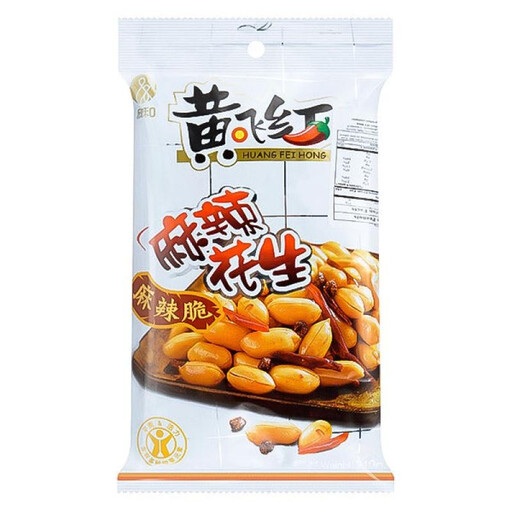
Why this suits this profile: Its compact size is aimed at fans of intense flavours. These peanuts can be enjoyed on their own, with a beer, or easily added to noodles, rice and salads.
The recipe clearly mentions chilli and Sichuan pepper. At 110 g, the bag also reduces the risk of keeping the product too long after opening.
A ready-to-eat product, listed as originating from China on the product page, with 622 kcal and 2 g of salt per 100 g.
We've put together a full selection, updated in real time, of products that meet these criteria as well as European safety standards.
Roasted peanuts are generally simply toasted and then seasoned. Coated peanuts have an extra layer made from flour, starch or rice. This adds more crunch and helps the spices stick. However, it can also contain gluten, sugar and fats.
Seal the packet after each use and store it in a cool, dry place away from light. Avoid the fridge unless the packaging recommends it – moisture can ruin the crunch. Also follow the use-by date on the label.
A 180 to 230 g bag is usually enough to share alongside other nibbles. To compare prices properly, look at the price per kilogram rather than the packet price. If you want to try a flavour like wasabi, garlic or chilli, a 110 to 140 g bag reduces the risk of being stuck with a large packet if you don't like the taste.