
Livraison le jour même ou le lendemain

Qualité garantie

Débloquez vos offres de bienvenue: Livraison GRATUITE | Jusqu'à -80 % | 30 jours d'essai gratuits à JoyPlus
Téléchargez l'application
An Asian chilli sauce can transform a bowl of noodles, fried rice or a few dumplings in an instant. But not every product is suited to the same use. A sweet and sour sauce will never replace a Chinese chilli oil, just as a highly aromatic chilli oil won't necessarily work in a marinade.
Before placing an order, it's worth avoiding a few classic pitfalls: an unclear level of heat, a texture different from what you imagined when reading the label, or a size that doesn't match how much you'll use. Here are the criteria to consider, followed by a selection tailored to different needs.
The term 'spicy' can cover very different experiences. A Chinese chilli sauce often relies on salt and umami, while a Thai chilli sauce plays more on the balance between sugar, vinegar and chilli. As for Sichuan mala oil, it sometimes adds the characteristic tingling of Sichuan pepper, which is quite distinct from the heat of chilli.
Marketing claims can sometimes be vague. To know what to expect, take a look at the ingredients list: vinegar, sugar, garlic, ginger, fermented beans, peanuts and sesame already give valuable clues about the flavour profile.
A chilli oil can be perfectly clear and filtered, or it can contain chilli flakes, fried garlic, peanuts, sesame or black beans. This difference completely changes how you use it:
Texture matters just as much as the level of heat.
Some sauces have a high salt content, sometimes over 5 g per 100 g. That's not necessarily a deal-breaker, but you'll need to use them as condiments and reduce the amount of soy sauce or salt you add to the dish accordingly.
Also take the time to read the allergen list: peanuts, soya, sesame and wheat are common in a Chinese chilli oil or a spicy Asian condiment. After opening, follow the manufacturer's instructions and use a clean utensil to avoid contaminating the contents.
For a chilli sauce intended for noodles or dumplings, choose a composition that matches your recipes:
The order in which ingredients appear is also revealing: it shows which ones are present in the largest quantity, in line with the information on the label.
A 200 g to 350 g jar is generally suitable for family cooking. It's a good compromise for trying a recipe without cluttering up the fridge unnecessarily. For a restaurant, a community kitchen or daily use, a 5-litre container can be justified — provided you have the storage space.
The volume should also match the shelf life after opening. A small 33 ml Japanese bottle is ideal for discovering a chilli sesame oil, but much less practical if you regularly prepare large quantities of noodles.
For a purchase in the UK, check that the label clearly states the product name, net quantity, ingredients, allergens, nutritional values, best-before date and storage conditions. For imported products, the presence of a responsible person established in the European Union, where required, is also a sign of reliability.
An oil may contain a natural sediment: stir it gently if the packaging recommends it. After opening, some products need to be kept in the fridge, while others simply need to be stored in a cool, dry place. The manufacturer's instructions are the final word.
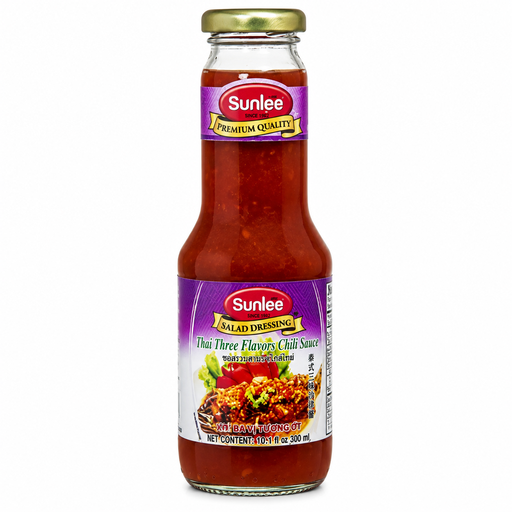
Why this choice suits this profile: With its 300 ml and its sweet, sour and spicy profile, this sauce is a good entry point, especially with spring rolls, vegetables or stir-fried dishes.
The stated presence of sugar, vinegar, garlic and chilli means you can expect a balanced sauce rather than an oil intended solely for adding heat to dishes.
300 ml bottle, suitable as a dipping sauce, marinade, in a salad or in a stir-fry, with refrigeration recommended after opening.
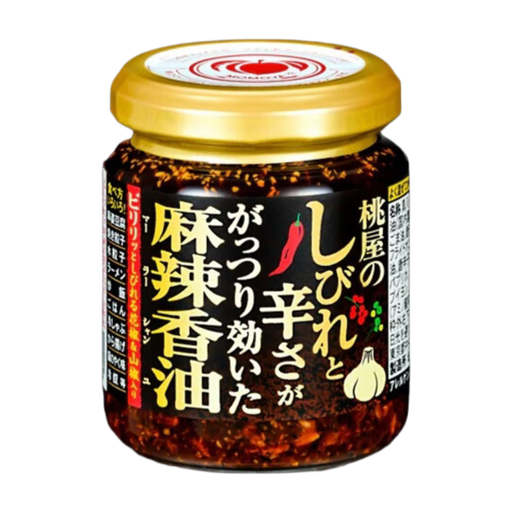
Why this choice suits this profile: This Japanese oil combines rapeseed oil, sesame oil, fried garlic, fried onion and Sichuan pepper in a compact format, designed for lovers of refined flavours.
The detailed composition makes it possible to distinguish an aromatic oil with bits from a simple mixture of chilli and oil.
105 g format, with sesame and Sichuan pepper, particularly well suited to ramen, sauces and Japanese dishes.
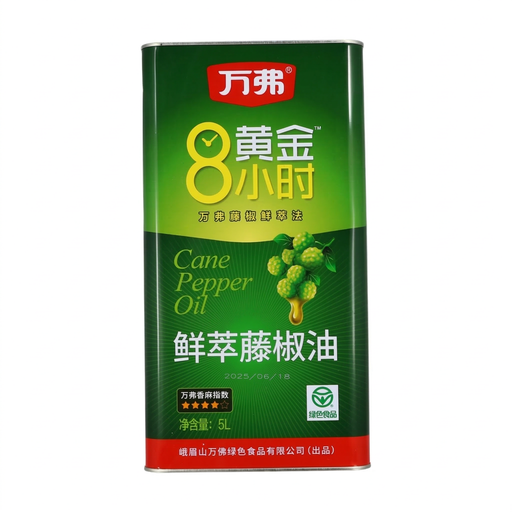
Why this choice suits this profile: Its 5-litre container is aimed at restaurants, professional kitchens and households that use a Sichuan finishing oil very regularly.
The net quantity and the stated proportion of 15% rattan pepper oil allow you to assess the product accurately before committing to a large-format purchase.
Finishing oil for noodles, dumplings, cold dishes and broths, to be stored away from heat. Consumption is recommended within 12 months of opening.

Why this choice suits this profile: The peanuts and chilli flakes combine a fragrant oil with a crunchy texture, ideal for livening up a quick meal.
The description clearly distinguishes the oil from the solid elements, so you can measure out the flavour and the crunch separately.
275 g jar, ready to use with rice, congee, noodles or in a stir-fry. Contains peanuts and soya.
We've put together a comprehensive list, updated in real time, of products that meet these strict selection criteria as well as European safety requirements.
Start by adding a small amount, especially with a very concentrated oil. In a stir-fry sauce, add it at the end of cooking to preserve its flavours. A dipping sauce can be used as is, while a doubanjiang generally benefits from being fried in oil for a few moments to release its full depth.
With noodles or dumplings, mix a spoonful of sauce with a little cooking water, rice vinegar or soy sauce, depending on the recipe. For a marinade, keep an eye on the amount of sugar to stop it caramelising too quickly in the pan or on the grill.
A chilli oil containing bits works well for stir-fried or cold noodles if you're after a crunchy texture. For a broth, go for a smooth oil or an easy-to-measure Chinese chilli sauce instead.
Follow the instructions on the label. Most products keep well away from light and heat, but some need to be placed in the fridge after opening. Seal the jar tightly and always use a clean utensil.
Yes, as long as its sweet and sour profile matches the recipe. Add it gradually, as it may contain more sugar than a Chinese chilli oil. It also works very well with vegetables, seafood, grilled meats and dipping sauces.