
Livraison le jour même ou le lendemain

Qualité garantie

Débloquez vos offres de bienvenue: Livraison GRATUITE | Jusqu'à -80 % | 30 jours d'essai gratuits à JoyPlus
Téléchargez l'application
Feeling overwhelmed by the Asian chili sauce aisle? Between the different origins, heat levels, and flavors ranging from sweet to umami, finding the perfect gem to transform your meals can be a real challenge.
Fear not! This guide is here to help you make sense of it all. We break down the best options on the market so you can finally make the right choice, based on your tastes and recipes.
By the Joybuy Product Team
Before we dive into our top picks, here are the key things to consider to find the sauce that will become your new kitchen staple.
An excellent Asian chili sauce does more than just burn; it must have character. A strong garlic presence, a sweet note, a hint of acidity, or a deep umami profile? That's where the magic happens. A chili garlic sauce, for example, is a versatile classic, while others incorporate vinegar, fermented soybeans, or fruit for added complexity. A quick look at the ingredients list will tell you a lot about its flavor profile.
A sauce's texture and ingredients determine where it shines.
Sauces vary enormously from one region to another. A Korean chili sauce made with gochujang (fermented chili paste) is nothing like a Chinese sauce made with salted chilies and oil. To replicate an authentic dish, trust the sauce's origin. And if you're in the mood to experiment, paying attention to the ingredients (chili, garlic, vinegar, black beans...) is the best way to make exciting new discoveries.
Enough theory, let's get practical! Here are our favorite sauces, each with its own bold personality.

What sets it apart
A true classic. This Lee Kum Kee sauce is a reliable staple in any Asian pantry. Its strong suit? The perfect balance between the heat of salted chilies (59?%) and the intense aroma of dehydrated garlic (5?%). Its fairly thick texture is perfect as a dip but also dissolves easily in woks.
Highlights
Who is it for? For anyone looking for a versatile and flawless chili sauce. It's the ideal starting point for exploring Asian spicy flavors, or for die-hard garlic fans.
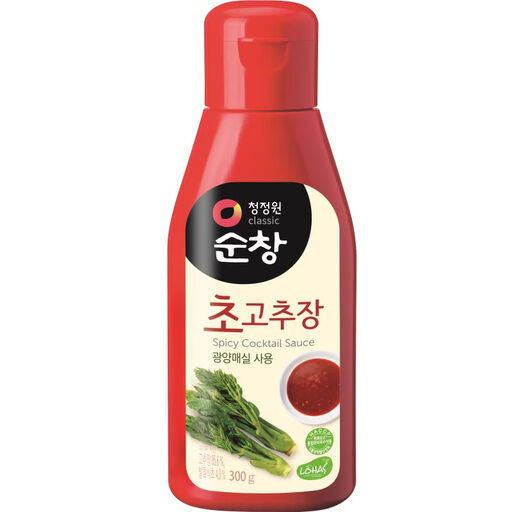
What sets it apart
Here, gochujang takes center stage, with a twist of vinegar and extracts of lime and plum. The result? A spicy and incredibly refreshing Asian condiment, where acidity balances the heat and sweetness of the fermented chili paste.
Highlights
Who is it for? For fans of sweet-and-sour flavors and curious foodies who want to venture into Korean cuisine. It's the perfect alternative for those seeking a brighter, less dense sauce than the classics.
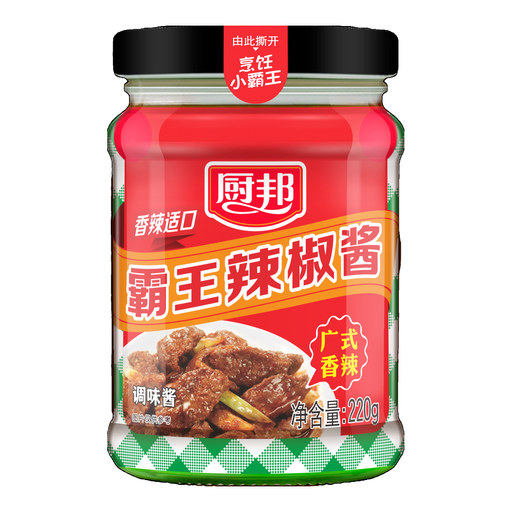
What sets it apart
This sauce is all about complexity. Its base of salted chili and garlic is enhanced with soybeans, black beans, and sesame. These ingredients give it an incomparably deep umami flavor and richness. More than just heat, it's a true explosion of flavor.
Highlights
Who is it for? For discerning palates looking to add character and depth to their dishes. If you love fermented flavors and umami, this sauce is for you.
The journey into the heart of Asian flavors has only just begun. Did the tangy profile of the Korean sauce catch your eye? Or are you simply curious to discover other similar gems?
To explore a wider range of products that blend heat and acidity, take a look at our complete selection.
? Discover our selection of Chili Vinegar Sauces
Once opened, it belongs in the refrigerator! This is the best way to preserve the freshness and flavors of most chili sauces. Storage life can vary, so always check the instructions on the packaging.
While there are endless variations, the main difference often comes down to the ingredients. Many Korean sauces (like gochujang) are based on fermented chili paste, which gives them a complex, deep, and slightly sweet taste. Chinese sauces (like chili-garlic) are often a more direct blend of chilies, garlic, oil, and salt, resulting in a sharper heat and a saltier flavor.
Absolutely. Just keep in mind that wok sauces are thinner, designed to coat ingredients well during cooking. For a dip, a thicker sauce that "clings" better to food is often more enjoyable. But in the end, you're the chef: feel free to experiment