
Livraison le jour même ou le lendemain

Qualité garantie

Débloquez vos offres de bienvenue: Livraison GRATUITE | Jusqu'à -80 % | 30 jours d'essai gratuits à JoyPlus
Téléchargez l'application
Finding the perfect Asian chili sauce is the secret to transforming a mundane dish into a true explosion of flavor. But when faced with the myriad of options available in an online Asian grocery store—from Chinese chili oil to Korean chili sauce—it's hard to know where to start. Which one should you choose for your noodles, rice, or next stir-fry?
I'm the Head of Product Recommendations at Joybuy, and my mission is to help you make sense of it all. This guide is designed to give you all the key insights and a selection of our top picks, so you can find the spicy Asian condiment that will take your meals to the next level.
Before diving into our selection, let's review a few essential criteria for finding the sauce that will satisfy your palate and suit your recipes.
The base of a chili sauce (oil, paste, or vinegar) determines not only its texture but also its culinary use.
Spice is, above all, a matter of personal taste. But Asian sauces are not just about heat; they offer an incredibly rich palette of flavors. Some Sichuan sauces are renowned for their málà (麻辣) heat, which combines the burn of chili with the numbing sensation of Sichuan peppercorns. Others, particularly Korean ones, develop smoky or subtly sweet notes. A pro tip: always read the ingredient list to decode the flavor profile.
Ask yourself how you plan to use your sauce:
Here are three gems that wonderfully illustrate the diversity of Asian chili sauces, each with its own distinct character.
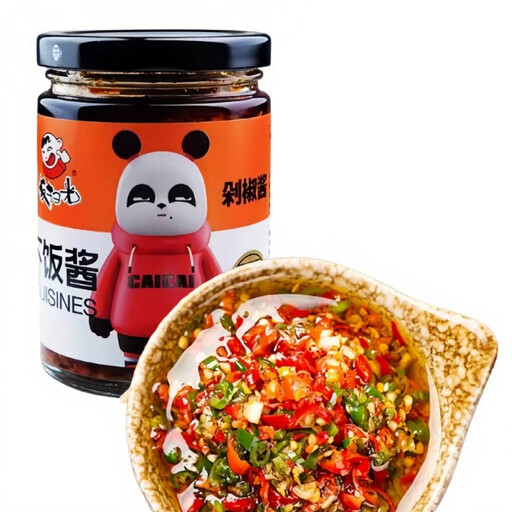
Why it stands out: This sauce delivers the authentic taste of home-style Sichuan cooking. More than just heat, it offers a deep flavor thanks to a blend of traditional spices and a generous amount of chopped ginger, garlic, and spring onions that add texture and complexity.
Its strengths:
Who is it for? For anyone looking for an authentic and ready-to-use condiment for rice with the distinctive taste of Sichuan cuisine. It's the perfect gateway to exploring the world of Chinese chili oil.
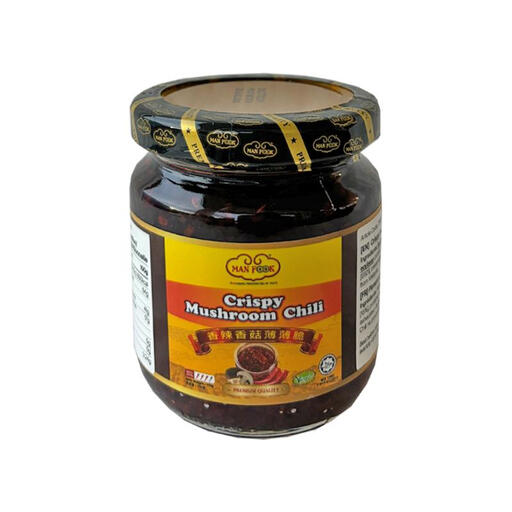
Why it stands out: Its originality can be summed up in one word: texture. Mushrooms fried to crispy perfection, bathing in a bold chili oil. The result is a crispy chili that delivers on two fronts: the heat of the oil and the addictive crunch of the mushrooms.
Its strengths:
Who is it for? For the curious, texture lovers, and foodies who like to step off the beaten path. This condiment has the power to turn a simple bowl of rice, noodles, or dumplings into a show-stopping dish.
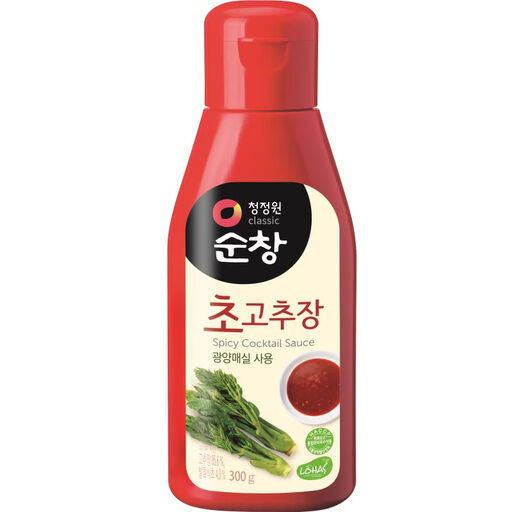
Why it stands out: This Korean chili sauce is a modern take on the traditional chogochujang sauce. It marries the deep, subtly sweet heat of gochujang with the invigorating acidity of vinegar. The result is a perfectly balanced sauce that is more fluid than a classic chili paste.
Its strengths:
Who is it for? For fans of Korean cuisine and anyone who prefers a bright, tangy heat over the richness of an oil. It's the perfect choice for injecting a dose of freshness and zest into your dishes.
Our selection is just a gateway into the infinite world of spicy Asian condiments. Every region, and sometimes even every family, has its own secret recipe. Want to explore other textures, test your tolerance for heat, or discover new flavor profiles? The possibilities are endless.
? Explore our entire collection of chili sauces to find your new favorite.
1. How should I store an Asian chili sauce after opening it? Most of these sauces, especially those that are oil-based or made from fermented paste, should be stored in the refrigerator after opening. This is the best way to preserve their freshness and prevent their flavors from deteriorating. One last tip: always use a clean spoon to serve yourself to avoid contaminating the jar.
2. What's the difference between Chinese chili oil and Korean gochujang? They're almost complete opposites! The fundamental difference lies in the ingredients and flavor profile. Chinese chili oil is an infusion of oil, dried chilies, and aromatics; it develops a savory, highly fragrant taste, sometimes with the famous numbing sensation (málà) of Sichuan. Gochujang, on the other hand, is a thick fermented paste (chili, soybeans, glutinous rice) with a complex flavor that is simultaneously spicy, sweet, and rich in umami.
3. Can these sauces be used in Western cooking? Absolutely! In fact, that's one of their best features. Their versatility is one of their greatest strengths. A spoonful of chili oil can liven up a pizza, fried eggs, or avocado toast. A vinegared chili sauce makes an excellent marinade base for grilled chicken, or it can be mixed with mayonnaise to create a spicy dip for fries or a sandwich. The only limit is your imagination