
Livraison le jour même ou le lendemain

Qualité garantie

Débloquez vos offres de bienvenue: Livraison GRATUITE | Jusqu'à -80 % | 30 jours d'essai gratuits à JoyPlus
Téléchargez l'application
The world of Asian chili oil is as vast as it is flavourful, and it can be easy to get lost. Faced with a wall of options, it's hard to know which bottle to choose to level up your noodles, awaken your dumplings, or electrify a simple bowl of rice. Some boast a deep, silky red hue, while others are packed with crispy chili flakes and fried garlic.
Our mission: to bring you clarity. This guide deciphers the labels for you and presents a selection of products with bold, distinct characters. The goal: to help you find THE condiment that will elevate your dishes.
Before we get to our top picks, here are a few essential criteria to help you make the right choice.
Not all chili oils are created equal. Their region of origin, in particular, dictates their character and aromas.
Texture is the other decisive factor. Do you prefer a clear, infused oil or a condiment with a satisfying crunch?
There's a perfect oil for every dish! How you plan to use it will naturally guide your choice.
Here are three gems that wonderfully illustrate the diversity of Chinese chili oils, each with its own distinct character.
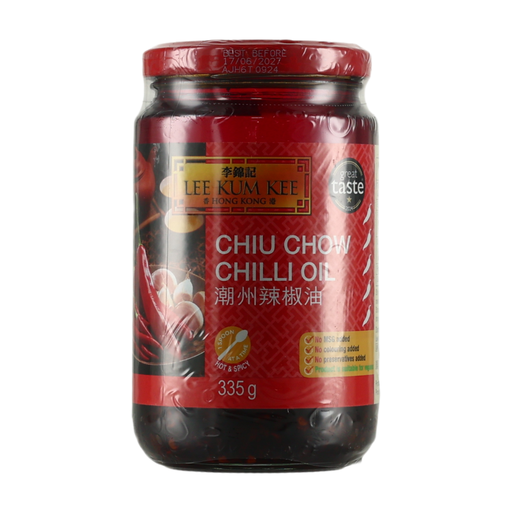
Why it stands out: A timeless classic and a sure bet. Lee Kum Kee, a trusted brand since 1888, offers a version inspired by Chiu Chow cuisine. Its strength lies in the perfect balance between the moderate heat of dried chilies and the deep flavour of dehydrated garlic (6%). It's the ideal and delicious gateway into the world of chili oils.
Highlights:
Who is it for? For those new to chili oils or anyone looking for a reliable, versatile product that will please a crowd. Ideal for families and those who appreciate a spicy but controlled flavour.

Why it stands out: This oil transports you directly to the Hunan province with its bold flavours. The combination of wild peppers and fermented soybeans (black beans) creates a unique salty and umami depth. In China, it's nicknamed the "rice thief" because it's so addictive you can't help but have more. We also appreciate its formula with no added preservatives.
Highlights:
Who is it for? For lovers of intense, fermented flavours and those who want to explore regional Chinese specialties. An excellent choice for anyone looking to transform a simple dish into something special.

Why it stands out: A specialist in chili condiments for over 40 years, the Cui Hong brand delivers a masterful interpretation of Sichuan chili oil. The star ingredient is, of course, the Sichuan peppercorn, which, combined with chili, sesame, and rapeseed oil, creates the famous málà sensation. It's a highly aromatic oil with an assertive heat and that numbing note that makes Sichuan cuisine so renowned.
Highlights:
Who is it for? For purists and flavour adventurers seeking an authentic málà experience. It's the go-to choice for recreating iconic Sichuan dishes at home.
Of course, the world of Asian condiments doesn't stop here. From soy sauce and black vinegar to chili pastes, every product is a promise of a journey for your taste buds.
To discover a wider range of sauces, spices, and other treasures, explore our Asian Grocery section.
1. How should I store chili oil? Generally, in a cupboard away from light and heat. Once opened, store it in the refrigerator to preserve the freshness of the ingredients (especially fried garlic or onions). Be sure to check the manufacturer's recommended shelf life after opening.
2. Is chili oil very spicy? It depends! The heat level can vary drastically. A Chiu Chow style oil will be quite mild, while a version from Sichuan or Hunan will quickly ramp up in intensity. A tip: check where chili appears in the ingredient list. When in doubt, start with a light hand!
3. What's the difference between Chinese and Korean chili oil? While the concept is similar, the flavours are quite distinct. Chinese chili oil is typically a complex infusion of oil with dried chilies and various spices (Sichuan peppercorn, star anise, cinnamon). The Korean version (gochu gireum) is more direct: it showcases the local chili powder, gochugaru, which is known for its fruity flavour and vibrant colour. Other Korean bases, like the sweet and savoury fermented paste gochujang, are also used to create unique spicy sauces.