The Asian spice aisle can be intimidating. Between whole dried chilis, complex sauces, and exotically named blends, it's easy to feel lost. Yet, finding the right Asian chili is the secret to unlocking the authentic flavours of a Thai curry, a Sichuan stir-fry, or a steaming bowl of ramen.
This guide is here to help you make sense of it all. As a product expert at Joybuy, my mission is simple: to give you the keys to choosing the ingredient that will make all the difference in your home-cooked meals. We'll break down the different forms of chili and present our top picks to help you make the right choice with confidence.
How to Choose the Right Asian Chili??
Before diving into our selection, here are a few pointers for finding the chili that will suit your cooking style and your palate.
1. Form?: Dried, Sauce, or Powder??
The form of the chili determines its use and the final result on the plate.
- Dried chili?: Whole or in flakes, dried chili is an essential. Ideal for infusing oils, flavouring broths, or grinding at the last minute, its heat is released slowly. This makes it the perfect candidate for slow-cooked dishes, like an authentic chili for curry.
- Asian chili sauce?: Ready to use, it combines heat with complex flavours (garlic, vinegar, sugar...). It's an incredibly practical solution for stir-fries, marinades, or simply as a dipping sauce.
- Chili powder condiment?: Often a blend of several ingredients, this type of chili condiment is the ultimate finishing touch. Sprinkle it over noodles, rice, or soups for an aromatic kick and instant heat.
2. Origin and Flavour Profile
Every chili has its own aromatic signature. The Thai chili, for example, is known for its bright, direct heat, which is essential for Tom Yum soups. Chinese chilis, like those from Sichuan, can offer a deeper, sometimes smoky, heat. Japanese spices, on the other hand, are all about balance, exemplified by shichimi togarashi, which marries chili with citrus and sesame seeds.
3. Heat Intensity
The Scoville scale is the scientific reference, but in the kitchen, it's better to rely on the packaging's indications and the chili's origin. A Thai "Bird's Eye" chili will be much fiercer than a Korean gochugaru chili, which is milder and fruitier. Consider your own palate (and that of your guests!) before making a decision.
Our Asian Chili Recommendations
Here is our selection—a tour of the best the world of Asian chili has to offer, with a gem for every use.
X.O. Dried Red Chili 500g
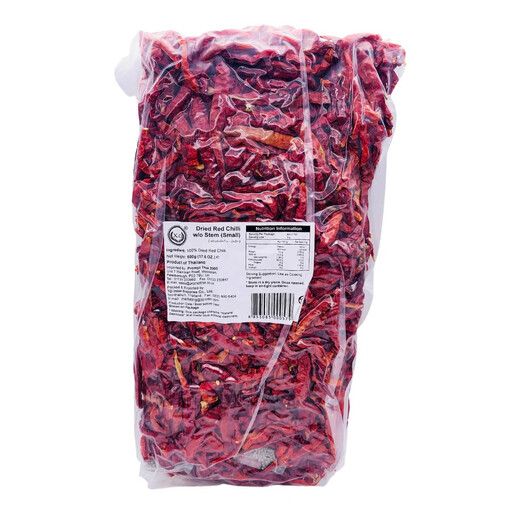
- Why it stands out?: This large pack contains high-quality dried red chilis, a reliable and cost-effective base for countless recipes. Their natural sun-drying process intensely preserves their aroma and heat.
- Advantages?:
- Economical 500g size, perfect for regular use.
- Ultra-versatile whole chilis: for curries, stir-fries, chili oils, marinades, and more.
- Thai origin, for a characteristic, intense heat.
- Who is it for??: For those who regularly cook with dried chili (in Asian, Indian, and other cuisines) and are looking for the best value for money.
HUASEED Chili Rings 50g
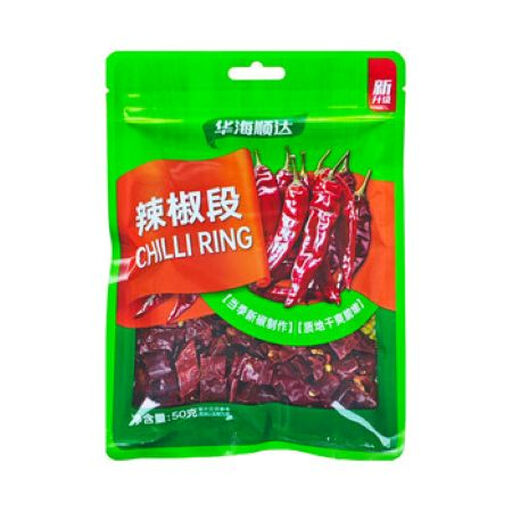
- Why it stands out?: This product is all about convenience. These chilis are already pre-sliced into rings?: a real time-saver in the kitchen that also ensures even heat distribution.
- Advantages?:
- Ready to use, no more tedious chopping.
- Ideal for infusing oil in minutes or for adding directly to a wok.
- Adds a beautiful touch of colour to the dish, in addition to flavour.
- Who is it for??: Those looking for an express solution to add heat and texture to their dishes without any hassle, especially for stir-fries and garnishes.
S&B Assorted Chili Pepper (Shichimi Togarashi) 300g
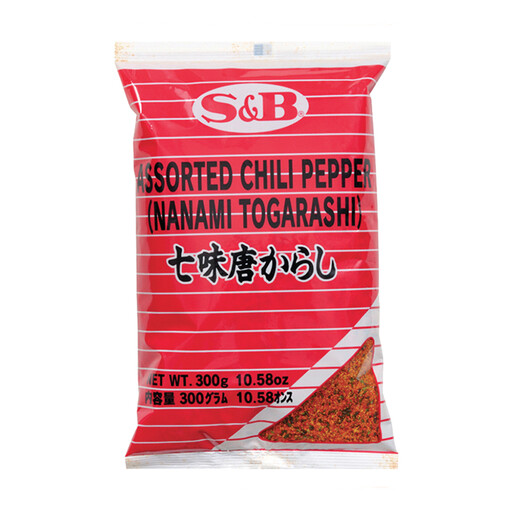
- Why it stands out?: Much more than just a chili powder, this is THE iconic blend of 7 Japanese spices. Shichimi togarashi combines chili, sesame seeds, seaweed, ginger, sanshō pepper, and yuzu peel for an incredibly complex flavour.
- Advantages?:
- A rich and nuanced flavour profile that goes far beyond simple heat.
- The ultimate versatile finishing condiment.
- The authentic Japanese touch to elevate noodles (udon, ramen), soups, rice, and grilled foods.
- Who is it for??: For lovers of Japanese cuisine and anyone who wants to add a complex and fragrant final touch to their dishes, moving beyond the one-note burn of chili.
Nong耕记 Garlic & Yellow Pepper Sauce 240g

- Why it stands out?: This ready-to-use sauce marries the fruity, bright flavour of yellow chili with the power of garlic. A Chinese chili sauce that offers a refreshing change from the classic red chili varieties.
- Advantages?:
- Ready to enjoy as a dipping sauce, in a marinade, or mixed with noodles.
- The combination of garlic and yellow pepper creates a bright, fresh, and highly aromatic taste.
- Ultra-versatile: it can be used both in cooking and as a condiment at the table.
- Who is it for??: For fans of bold sauces who are looking for an all-in-one condiment to awaken any dish in an instant, from a simple bowl of rice to a stir-fry.
Want to Explore Other Chili Condiments??
Our selection is just a taste of what's available. If you want to discover other types of chilis—whether fresh, in a paste, or in other forms—our dedicated section is full of gems for every craving and every recipe.
Explore our full range of peppers and chilis to find the ingredient that inspires you.
Frequently Asked Questions about Asian Chili
How should I store Asian chilis??
For dried chilis (whole or in flakes), an airtight jar stored away from light, heat, and moisture is ideal. This will preserve their flavour and heat for months. Chili sauces and pastes, on the other hand, should be kept in the refrigerator once opened. Be sure to check the best-before date on the jar.
Is shichimi togarashi very spicy??
The intensity varies by brand, but shichimi togarashi is generally considered moderately spicy. Its appeal comes from the complexity of its aromas (citrus, sesame, marine notes) rather than extreme heat. It's designed to enhance a dish, not to numb it.
What is the difference between a Thai chili and a Chinese chili??
That's a broad question, as there are hundreds of varieties in each country! To put it simply, the typical Thai chili, like the "Bird's Eye," is often small, thin, and very hot, with a bright, instant heat. Chinese chilis are more varied: some, like those from Sichuan, are known for their smoky fragrance, while others used in sauces are fruitier and more moderate.
The Joybuy Product Expert


