
Livraison le jour même ou le lendemain

Qualité garantie

Débloquez vos offres de bienvenue: Livraison GRATUITE | Jusqu'à -80 % | 30 jours d'essai gratuits à JoyPlus
Téléchargez l'application
Asian brown sugar is not a single product. Palm sugar, unrefined cane sugar, black sugar, Chinese brown sugar, Thai brown sugar, jaggery and rock sugar each have their own texture, aromas and uses. Simply relying on the colour of the packaging can therefore lead to a few unwelcome surprises in the kitchen.
Before placing your order, three common pitfalls are worth bearing in mind:
The product name deserves careful attention. Palm sugar may be pure, but it can also be blended with cane sugar, glucose syrup and water. For example, Pure Palm Sugar in a 650 g jar lists a composition of 60% sugar, 20% palm sugar, 10% glucose syrup and 10% water. This formulation is designed in particular to create a texture that is easy to incorporate.
By contrast, Amutha Palm Sugar Whole Jaggery 200 g states that it contains 100% palm sugar, while Lucullus Palm Sugar Gula Djawa Slice 1 kg contains 98% coconut sap sugar, cane sugar and the preservative E211. These differences have a direct impact on flavour, texture and possible uses.
Origin can also help guide your choice: China for several types of rock sugar and Chinese brown sugar, Taiwan for certain black sugars, Vietnam for Lasuco Rock Sugar, and South-East Asia for palm sugars and gula djawa. In every case, check the label on the product you receive: that is the definitive source of information.
For teas, coffees, infusions and cold drinks, it is best to choose small crystals or a sugar that dissolves quickly. YAN ZHI FANG Yellow Rock Sugar 200 g comes in the form of small yellow grains and can be mixed with hot water at between 90 and 100°C.
Candy sugar and rock sugar are often available as crystals or pieces. They are suitable for slow-cooked desserts, sweet soups and hot drinks, but large blocks take longer to melt. Taikoo Multicrystal Rock Sugar 350 g and Lasuco Rock Sugar 500 g are good examples of this type of format.
For recipes that require precise measuring, fine brown sugar or sugar sold in slices is more practical. Block jaggery, meanwhile, provides a traditional texture: it can be broken up, grated or melted directly into a liquid.
The products featured generally provide between 360 and 401 kcal per 100 g, with a high proportion of carbohydrates and sugars. Values may vary depending on the recipe and any added ingredients. Brown sugar should therefore not be considered a reduced-calorie product simply because it is lighter in colour.
You should also check:
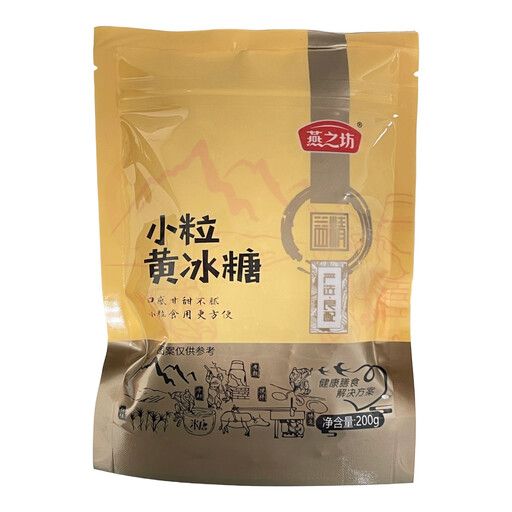
Why this choice suits this profile : At 200 g, this format means you do not have to store a large quantity of sugar. Its small grains are easy to use in drinks, desserts and everyday cooking.
The small-grain format avoids difficult-to-break blocks and makes measuring easier.
Net weight of 200 g, consistent texture, Chinese origin and instructions for use with hot water.
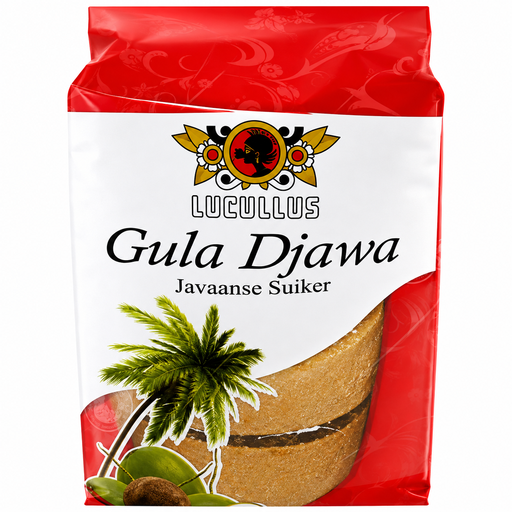
Why this choice suits this profile : Gula djawa slices are ideal for recipes that call for caramel notes and a presentation faithful to traditional usage.
The detailed composition makes it possible to distinguish this coconut sap sugar from simple coloured brown sugar.
1 kg format, palm sugar slices, 98% coconut sap sugar and packaging that should be kept airtight.
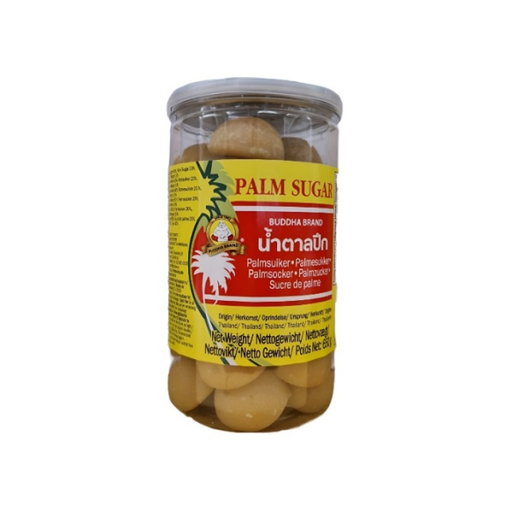
Why this choice suits this profile : The jar makes it easy to take out repeated portions. It is suitable for busy family kitchens as well as for preparing sauces, marinades, drinks and baked goods.
The presence of glucose syrup is clearly stated and, according to the product information, helps to limit crystallisation.
650 g jar, texture described as consistent and versatile use in both drinks and savoury dishes.

Why this choice suits this profile : This blend of brown sugar and ginger powder works well in baking and can also be prepared as a hot drink with water.
Ginger is clearly listed among the ingredients: this is not plain brown sugar.
300 g format, two stated ingredients and intended for use both in baking and hot drinks.
We have brought together a complete, real-time updated selection of products that meet these strict criteria and European safety requirements.
Yes, depending on its composition and origin. French brown sugar is generally cane sugar containing varying amounts of molasses. Asian brown sugar, on the other hand, may be made from sugar cane, palm sap or coconut sap. Its texture can range from fine grains to a compact block.
Store it at room temperature in a dry place, away from light and moisture. Once opened, seal the jar carefully or place the pieces in an airtight container. For a block, a grater or sturdy knife will make measuring easier.
Yes. Candy sugar, also known as rock sugar in some ranges, can be used in teas, infusions, syrups, slow-cooked desserts and a variety of culinary preparations. Its large crystals melt more slowly than caster sugar, so allow enough time for them to dissolve.