
Livraison le jour même ou le lendemain

Qualité garantie

Débloquez vos offres de bienvenue: Livraison GRATUITE | Jusqu'à -80 % | 30 jours d'essai gratuits à JoyPlus
Téléchargez l'application
Asian biscuits and cakes are loved for their individual portions, unique flavours and textures that are anything but ordinary. A pretty box or a colourful packet isn't enough, however, to guarantee a choice that suits your needs.
Before ordering Asian snacks, Japanese biscuits or Korean pastries, it's worth keeping three common pitfalls in mind.
For a family tea-time, a sharing assortment or biscuits to pop into a lunchbox, check the net weight, the number of pieces and whether individual sachets are included. Formats between 45 and 165 g are generally ideal for trying something new or for occasional snacking. Pack sizes of several hundred grams are better suited to families, cafés and caterers.
Storage method deserves just as much attention. Dorayaki, Japanese biscuits and Korean Choco Pie are usually best kept in a cool, dry place away from light. Frozen waffles and bake-at-home croissants, on the other hand, need to stay at around −18 °C until you're ready to prepare them. A defrosted product should never be refrozen if the packaging says not to.
In the UK, rely on the ingredients list and allergen information on the label of the product you receive. The recipes in this selection frequently contain wheat or gluten, milk, eggs and soya. Some products may also contain almonds, peanuts, other nuts, sesame or crustaceans.
The stated flavour alone isn't enough to tell you what's inside. A chocolate biscuit may contain cocoa, chocolate, milk powder or simply a flavouring. If you have an allergy, or if you're catering for a group, always compare the ingredients list and the 'may contain traces of' statement.
Japanese biscuits like Pocky or Meito wafers are ready to eat and easy to carry. Dorayaki, on the other hand, offer a soft, spongy texture with a sweet filling. Choco Pie combine two biscuits, a marshmallow-style filling and a chocolate coating.
For breakfast or a buffet, waffles and bake-at-home croissants need a little preparation, but they reward you with a warm, crispy texture. Always follow the manufacturer's instructions and never leave a toaster or oven unattended.
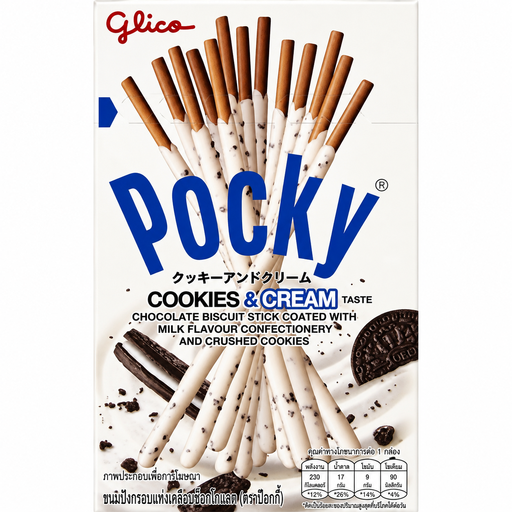
Why this suits this profile: At 45 g, this product lets you try a Japanese speciality without committing to a large pack. The sticks are ready to eat and slip easily into a bag.
The weight and number of pieces are clearly stated, so you won't overestimate the quantity you're actually getting.
Crunchy sticks, a cookies & cream coating, and wheat, milk and soya are listed.
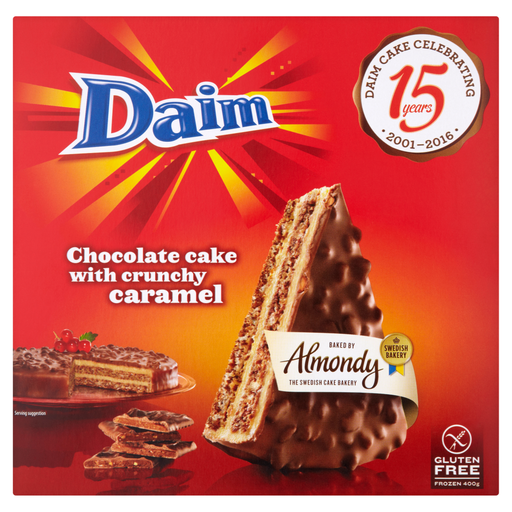
Why this suits this profile: This almond and chocolate cake is made for sharing as a dessert. Simply defrost, then slice and serve.
The frozen nature of the cake and the defrosting times are clearly stated. Make sure you have enough space in your freezer and fridge.
400 g, Daim caramel pieces, an almond cake and a milk chocolate coating.
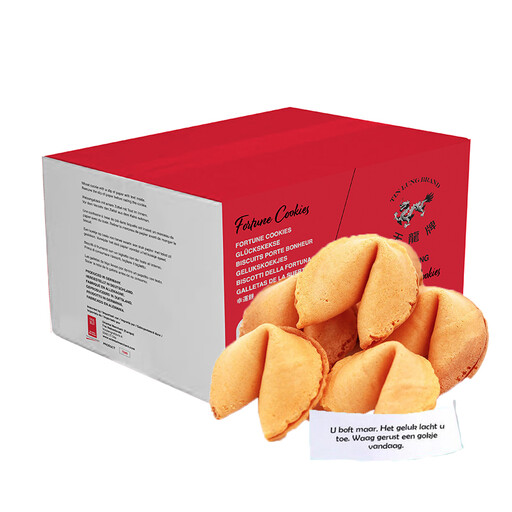
Why this suits this profile: With 250 pieces, this pack is aimed at restaurants, caterers, weddings and events that need a large supply.
The number of pieces is clearly shown on the product page, making it easy to work out portions and your event budget.
Chinese fortune cookies containing a message, to be stored in a dry place, with wheat and soya listed.
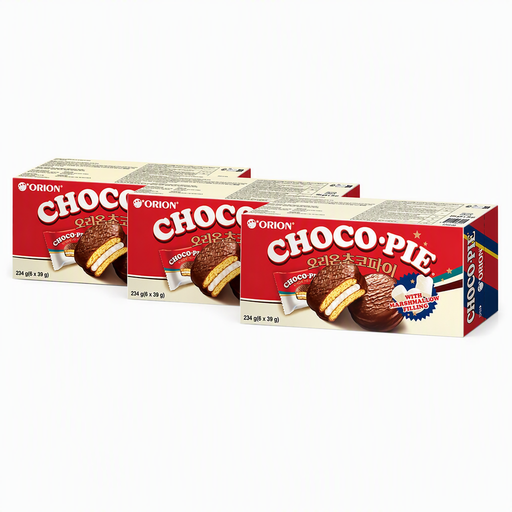
Why this suits this profile: The six 39 g portions fit perfectly into a lunchbox, for a tea break or when sharing a snack with the family.
The number of portions and the weight of each piece are stated, unlike some packs where the size can be misleading.
Two soft biscuits, a marshmallow-style filling and a chocolate coating; gluten, eggs, milk and soya are listed.
We've put together a complete, real-time selection of products that meet these exacting standards, all in compliance with European safety regulations.
Pocky, chocolate biscuits, dorayaki and Choco Pie all pair beautifully with a hot drink. For a successful assortment, mix up the textures: crunchy biscuit, soft cake and chocolate wafer. Individual portions also make serving easier at a gathering or tea-time.
Put ready-to-eat products in an airtight container in a cool, dry place, and always follow the date on the packaging. Once opened, eat soft products quickly to keep their texture. For frozen cakes and waffles, maintain the recommended temperature and follow the instructions for each product.
Not necessarily. Wheat, milk, eggs and soya are common in Japanese biscuit recipes, Asian confectionery and chocolate cakes. Traces can vary from one product or batch to another. Before buying and before eating, always check the English labelling supplied with the product.