
Livraison le jour même ou le lendemain

Qualité garantie

Débloquez vos offres de bienvenue: Livraison GRATUITE | Jusqu'à -80 % | 30 jours d'essai gratuits à JoyPlus
Téléchargez l'application
Making Peking duck, mapo tofu, or bibimbap, and the recipe calls for "?bean paste?"? Standing in the aisle of an Asian grocery store, it's easy to get confused?: Gochujang, Doubanjiang, Tianmianjiang... Yet, behind these names lie condiments with radically different flavours and uses. Choosing the wrong jar risks completely ruining your dish.
As a product expert at Joybuy, I'm here to guide you through this flavourful world. This guide will demystify the main types of Asian bean paste so you can finally choose the one that will elevate your recipe.
Before we dive into our top picks, let's review a few key criteria to ensure you never make a mistake again and to better understand these essential Asian condiments.
This is the first and most important criterion?: these pastes are not at all interchangeable.
The paste's origin is a foolproof clue for how to use it.
Checking the ingredient list is always revealing. The proportion of beans (soy or broad beans) or chilli directly influences the product's intensity. Some pastes contain flavour enhancers, while others rely on long fermentation to develop their aromas naturally. If you're looking to buy a soybean paste, checking these details is the key to making an informed choice.
To get you started, we've selected three must-have products, each with a distinct profile and use case.
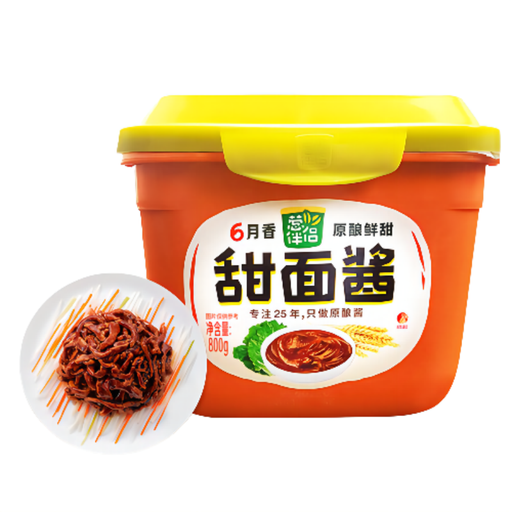
Why we chose it?: For its smooth texture and perfectly mastered balance between sweet and salty. Its 26.5?% soy content gives it a rich, fermented flavour that is never overpowering.
Key features?:
Who is it for?? The ideal choice for preparing authentic Peking duck, Chinese crepes (Jianbing), or Beijing-style noodles (Zha Jiang Mian). Its mildness makes it an excellent entry point into the world of fermented pastes.
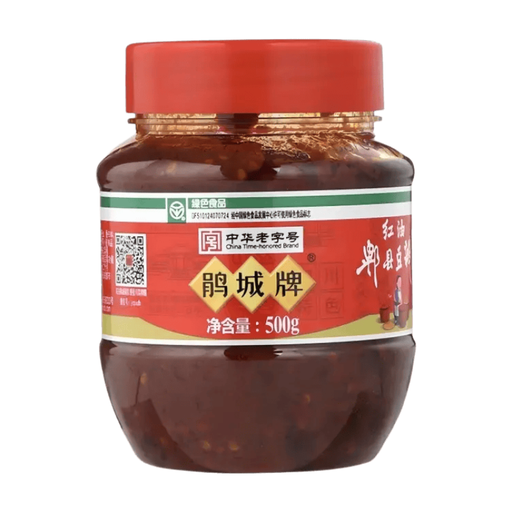
Why we chose it?: Recognised as an intangible cultural heritage, the Juan Cheng brand is THE gold standard for Pixian Doubanjiang. Slow-fried in red oil, this version releases powerful aromas and gives dishes their signature bright red colour and salty-spicy flavour.
Key features?:
Who is it for?? A must-have for Sichuan cuisine enthusiasts who want to replicate the authentic taste of mapo tofu, twice-cooked pork, or fish-fragrant eggplant (Yu Xiang Qiezi). A word of caution?: this paste is very salty and should be used sparingly.
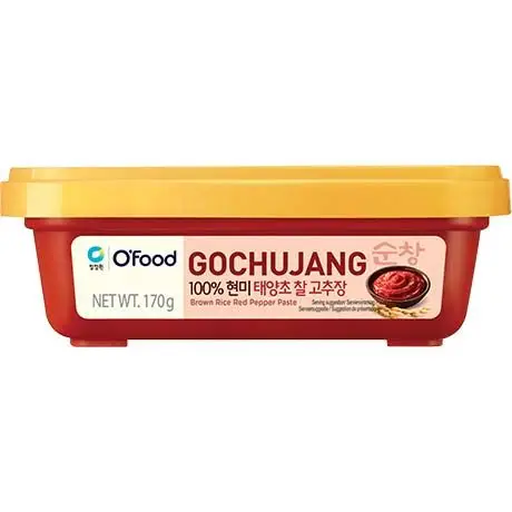
Why we chose it?: This Gochujang checks all the boxes for a classic Korean profile?: a noticeable but pleasant heat, a sweet note, and an umami depth from the fermented soybeans. Its thick consistency makes it very easy to measure and incorporate.
Key features?:
Who is it for?? A staple for all fans of Korean cuisine. It's essential for making bibimbap sauce, kimchi stew (Kimchi Jjigae), spicy rice cakes (Tteokbokki), or for marinating meat for Korean BBQ.
Our selection only scratches the surface of the world of Asian condiments. Dozens of other varieties exist, each with its own level of spice, salt, and unique fermentation profile.
? To discover other varieties and find more options, explore our full category of Cooked Beans.
1. What is the difference between Gochujang and Doubanjiang?? They are almost complete opposites! The fundamental difference lies in their ingredients and origin. Gochujang is Korean, made from chilli, glutinous rice, and soy, with a spicy and slightly sweet taste. Doubanjiang is Chinese (often from Sichuan), made from broad beans and chillies, with a very salty, fermented, and spicy flavour. They are not interchangeable, as each one defines the very identity of a dish.
2. How should I store Asian bean paste after opening?? Most of these pastes are high in salt, a natural preservative. However, to preserve their aromas and prevent contamination, store them in the refrigerator once opened. Always remember to use a clean utensil when scooping out the paste.
3. Can I substitute one paste for another in a recipe?? In theory, yes, but be warned?: the result will be nothing like the original dish. For example, replacing Doubanjiang with Gochujang in mapo tofu will give it a sweeter taste, far from the traditional recipe. For an authentic result, it's best to stick to the paste specified in the recipe.