
Livraison le jour même ou le lendemain

Qualité garantie

Débloquez vos offres de bienvenue: Livraison GRATUITE | Jusqu'à -80 % | 30 jours d'essai gratuits à JoyPlus
Téléchargez l'application
Buying arts and drawing supplies can quickly become expensive, especially when descriptions focus on the number of colours, included accessories or promised effects. Yet a well-stocked palette cannot always make up for poorly chosen paper, tools that are difficult to store or a kit missing essential items.
Before ordering in France, it is therefore worth considering a few practical criteria: the surface, the composition of the tools, their compatibility with your technique and any usage precautions.
A set of 72 pencils or a large box of art supplies may seem like a bargain. But if you mainly draw portraits, landscapes or detailed designs, some shades may remain unused at the bottom of the box. A smaller, more thoughtfully selected assortment will often be better suited to regular use.
Watercolour, watercolour markers and soft pastels do not behave in the same way on thin paper. A 120 g/m² drawing pad is intended more for sketching and writing than for generous washes. For watercolour, a weight of 200 to 300 g/m² generally helps to limit warping, although the result also depends on the amount of water used.
Pencils sold without a case, poorly protected cutting dies or pastels exposed to moisture can deteriorate more quickly. At home, storage matters almost as much as choosing the right materials, particularly when they are used by several people or shared with children.
For a watercolour sketchbook, look for a precise product description: acid-free paper with a neutral pH and a weight suited to the technique being used. Fine grain makes detailed work and even washes easier. Thicker sheets cope better with water mixtures and layers.
For dry drawing, ivory or white 120 g/m² paper is generally suitable for coloured pencils, graphite and sketches. Also remember to check the binding: a 180° lay-flat opening is especially practical when working across a double-page spread.
Professional coloured pencils generally have oil- or wax-based cores. A soft core makes blending easier, while a firmer core offers greater precision. Terms such as lightfastness, pigmentation or break resistance describe the characteristics stated by the manufacturer; they do not guarantee identical results for every user.
Soft pastels produce a fine powder. Use them in a properly ventilated space, avoid breathing in the dust and fix your artwork with a suitable product when necessary.
Before buying a creative kit for adults or a scrapbooking set, check exactly what is in the box: cutting tool, dies, sheets, glue, stencils, accessories and instructions. For a creative gift, the intended use and recommended age should also match the person receiving it.
Small parts require particular care. Several products shown below are not suitable for children under 3 years old. For construction kits, follow the recommended age and the manufacturer’s supervision instructions.
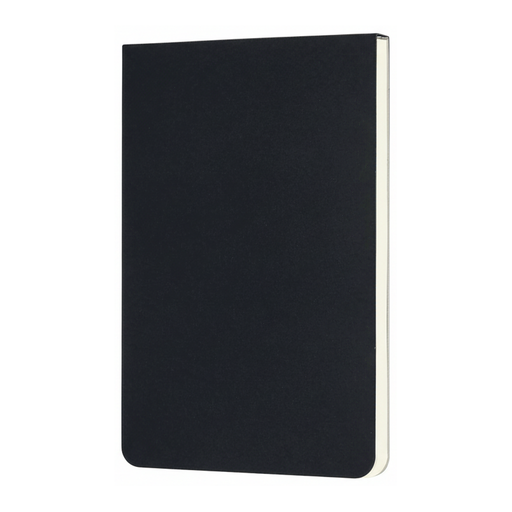
Why this choice suits this profile : this pad is suitable for sketches, visual notes and daily exercises. Its format is easy to carry, and its layout keeps things simple.
The product description specifies that it is acid-free 120 g/m² ivory paper, rather than suggesting that it is suitable for every wet technique.
180° lay-flat opening, expandable inner pocket and flexible cover with rounded corners.
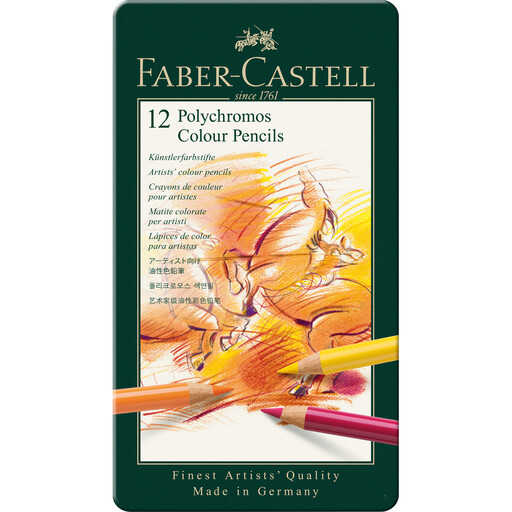
Why this choice suits this profile : this compact set is aimed at experienced enthusiasts and artists who value control, detailed work and easy portability.
With 12 shades, this set avoids paying for an oversized palette when the priority is detailed drawing and colour mixing.
Oil-based cores, metal case, colours advertised as lightfast and break-resistant cores.
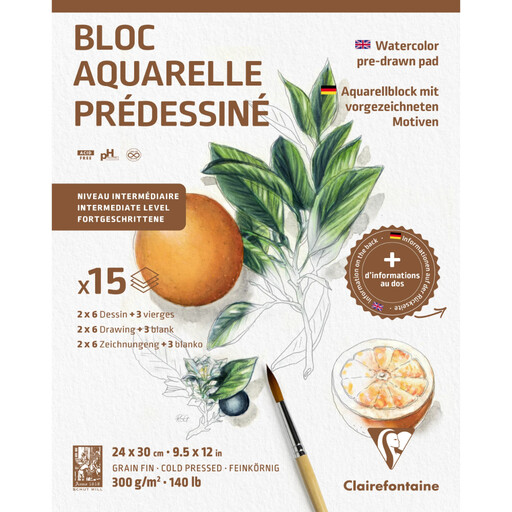
Why this choice suits this profile : anyone who wants to practise watercolour without spending time preparing a drawing can use the pre-sketched designs included here.
Its 300 g/m² paper is clearly specified as suitable for watercolour. The pad contains 12 pre-drawn sheets and 3 blank sheets for practising.
Fine-grain, acid-free, pH-neutral cellulose paper in the Botanique 24 × 30 cm format.
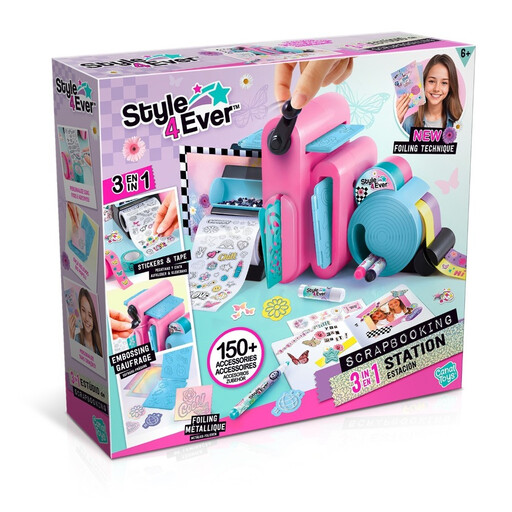
Why this choice suits this profile : this set is aimed at families and scrapbooking enthusiasts who want to get started with several surfaces and accessories together in one place.
The contents are clearly listed: notebook, embossing cards, paper, markers, stickers, stencils, glue and adhesive rollers.
Set advertised for children aged 8 and over, with a small-parts warning and instructions included.
We have brought together a complete, real-time updated selection of products that meet these demanding criteria, as well as European safety regulations.
For regular washes and water mixing, 300 g/m² paper provides a reliable foundation. A lighter weight may be enough for practice pieces, but the paper is more likely to buckle. Fine grain makes detailed work easier, while a more pronounced texture changes the appearance of the pigments.
Store pastels flat in their box, away from moisture and heat. With watercolour markers, carefully replace each cap and follow the manufacturer’s storage recommendations. Avoid leaving them near a window or radiator to help prevent them from drying out.
A creative kit for adults should take the recipient’s available time and patience into account. Diamond painting is well suited to gradual projects, while a wooden 3D puzzle or construction model requires more assembly. For someone who already draws, a quality sketchbook or professional coloured pencils will generally be easier to incorporate into their creative practice.