
Livraison le jour même ou le lendemain

Qualité garantie

Débloquez vos offres de bienvenue: Livraison GRATUITE | Jusqu'à -80 % | 30 jours d'essai gratuits à JoyPlus
Téléchargez l'application
Drawing, colouring, painting or assembling a decorative object can easily become a regular pastime – provided you have the right materials for your tastes and habits. Yet choosing arts and crafts supplies for adults is far from straightforward: multicolour sets, promises of perfect coverage and "all-in-one" accessories don't always meet real needs.
Before placing an order, it's best to spot the most common pitfalls and check a few concrete specifications. Here is a simple method for comparing drawing materials, coloured pencils, markers, soft pastels, diamond painting and DIY kits for adults.
A 72-colour set gives an impression of richness, but it doesn't necessarily replace materials suited to the technique you're using. Pencils are designed for paper, whereas acrylic markers can be used on wood, glass, ceramic or canvas. The number of shades should therefore be assessed according to the type of surface and the finish you're after.
A fine tip makes detail work and outlines easier, but it covers large areas more slowly. Conversely, a brush tip lets you vary the line width depending on the pressure you apply. With soft pastels, the powdery texture is ideal for blending, but it requires careful storage and can create dust.
Pencils without a suitable case, markers that aren't properly capped or pastels stored upright can quickly lose their practicality. A sketchbook, like a set of supplies, also needs to be protected from humidity and direct light. These details often have more impact on the lifespan of your materials than any well-chosen marketing claim.
For colouring on paper, check the weight and whether the surface can take several layers. The Moleskine pad shown below uses acid-free ivory paper of 120 gsm, with a 180° lay-flat opening. If you plan to use markers or layer paint, always test on a separate sheet first.
Water-based acrylic markers are designed for multiple surfaces, including metal, wood, ceramic, glass, stone and canvas. On a delicate surface or one that will be handled regularly, always test the product on an inconspicuous area. If this restriction appears in the product description, do not use it on a surface that comes into contact with food.
Lightfastness and permanence ratings should be checked in the product description. They are not standard for all pencils and inks.
For a home studio, a rigid box can work perfectly well. Students, amateur artists and other users who draw in different locations will be better off choosing a roll or a metal tin, which are easier to carry. Also think about useful colouring accessories: a sharpener, eraser, pastel fixative, ruler, drying rack and table protector.
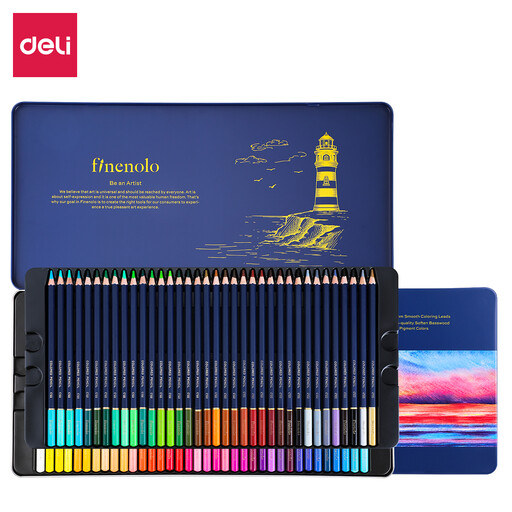
Why this choice suits this profile: With its 72 pencils and metal tin, this set lets you get started with colouring or drawing using an extensive palette and simple storage.
The set avoids multiple initial purchases and protects the pencils when not in use.
72 stated shades and a metal storage tin.
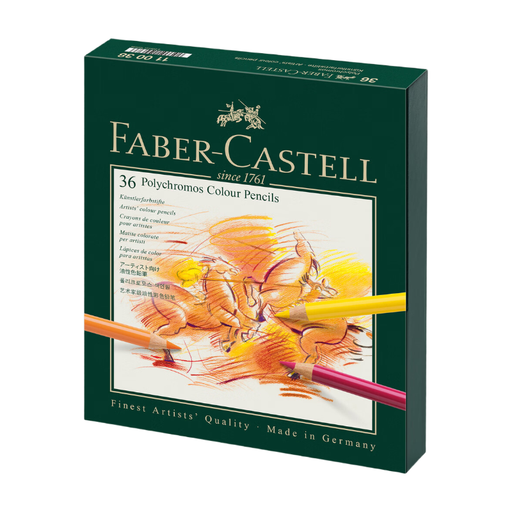
Why this choice suits this profile: For portraits, landscapes or detailed illustrations, an oil-based 3.8 mm lead and a well-organised studio box can make all the difference.
The description specifies the oil-based composition, the SV bonding of the lead and the box format, rather than focusing solely on the number of colours.
36 colours, 3.8 mm lead and Atelierbox studio case.
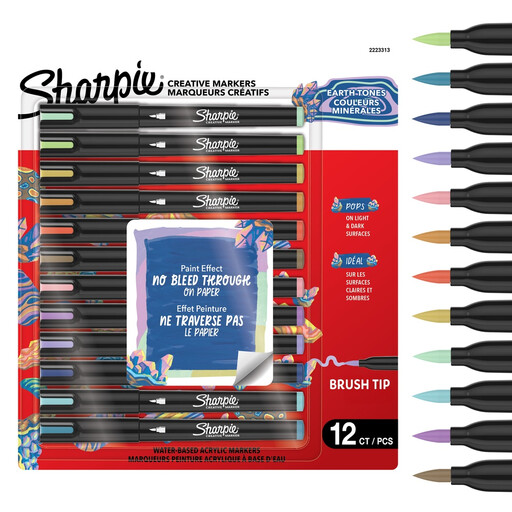
Why this choice suits this profile: For customising multiple surfaces, a water-based acrylic ink and a brush tip with variable width offer greater possibilities.
The description lists compatible surfaces, horizontal storage requirements and the drying time to allow between coats.
12 warm tones, brush tip and water-based opaque ink.
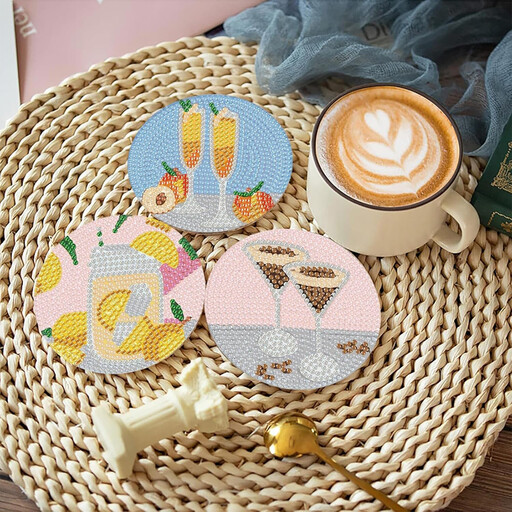
Why this choice suits this profile: This diamond painting kit includes six 10 × 10 cm coasters and their stand. A progressive craft activity, with a result you can then use to decorate your home.
The size and number of pieces are clearly stated, so you can plan your workspace and the time needed.
Six coasters, stand included and compact 10 × 10 cm format.
We have compiled a complete, real-time updated list of products that fully meet these strict selection criteria and European safety regulations.
To avoid duplicate purchases and supplies piling up, group your materials by technique:
After each use, cap your markers, store pencils in their case and keep pastels flat. For products that create dust, work in a well-ventilated room and avoid inhaling particles. Small items must be kept out of reach of children under 3 years old.
A sketchbook, a set of coloured pencils, an eraser and a sharpener make a versatile starter kit. If you want to decorate wood, glass or ceramic, add acrylic markers instead, making sure to check the compatible surfaces.
It all depends on how often you use them, the pressure you apply and storage conditions. Pencils can be sharpened as you go, while markers must be capped immediately after use. For some acrylic markers, horizontal storage is recommended to maintain a consistent ink flow.
That depends on the project. A diamond painting kit usually contains the main elements, but a storage box, a flat surface and a table protector are still very handy. With die-cutting templates, you generally need a compatible machine, which is not supplied with the template sold on its own.