
Livraison le jour même ou le lendemain

Qualité garantie

Débloquez vos offres de bienvenue: Livraison GRATUITE | Jusqu'à -80 % | 30 jours d'essai gratuits à JoyPlus
Téléchargez l'application
Artistic paint comes in a wide range of formulas: acrylic, gouache, watercolour, water-based paint, washable paint and even lino printing ink. This wealth of choice opens up a vast creative world, but it can also make choosing more difficult, particularly when you are buying for a child, a beginner or an artist who paints regularly.
Before you fill your basket, bear a few common pitfalls in mind.
Gouache paint is opaque, easy to dilute and ideal for school activities and first experiments. Depending on how much water you add, it can create solid, highly covering areas or more transparent effects.
Acrylic paint has a creamier texture and dries quickly. Once dry, it generally becomes water-resistant, depending on its formulation. It can be used on canvas, thick paper and, in some cases, wood. Brushes should be rinsed straight away: once dry, acrylic paint is much harder to remove.
Watercolour is based on transparency and layering. Colours become lighter as you add water. Pans are practical for children and painting on the go, while tubes offer more precise dosing and allow you to prepare larger quantities.
For very young children, choose children’s paint that is water-based, with a clearly stated recommended age and easy-to-read safety instructions. Where relevant, also check that it complies with the requirements applicable to toys. Adult supervision remains essential: a formula described as non-toxic is not intended to be swallowed or applied to the skin like a cosmetic product.
For occasional activities, a paint set that already includes brushes, a palette or pans helps avoid buying lots of separate items. To learn about colour mixing, 6 to 12 colours are generally enough.
12 ml tubes are well suited to exercises, lessons and transport. 75 ml tubes provide more paint for acrylic projects. A 500 ml bottle is mainly intended for family workshops, decorations and projects requiring a large quantity of paint.
Also consider the closure system. Attached caps on tubes reduce the risk of losing them. A squeezable bottle makes it easy to control the amount dispensed, but may release too much product if you press a little too hard.
Even washable paint should be wiped off the table promptly and rinsed off brushes with water. If paint gets on clothing, remove the excess, rinse with cold water and then follow the instructions on the garment-care label. It is still best to protect clothing and furniture.
After each session:
These paints are not suitable for food, cosmetic or body use: they are intended for creative hobbies and artistic surfaces.
The products below are suited to very different uses. The features mentioned correspond to the information provided in the product listings; always check the labelling and warnings before use.
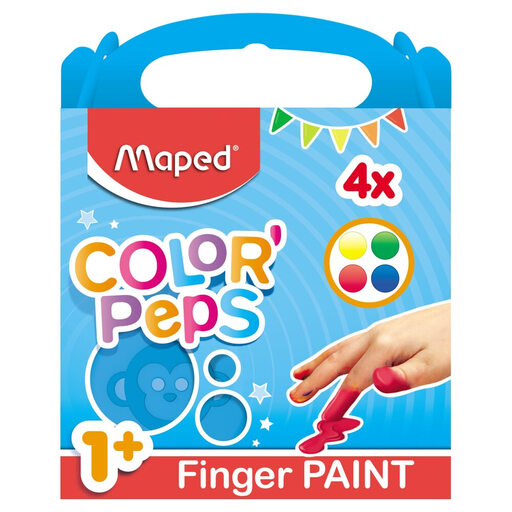
Why this choice suits this type of user : These four 80 g pots, in green, blue, yellow and red, are a simple way to get started with finger painting without investing in lots of accessories. The ready-to-use gouache is intended for children aged 1 and over, under adult supervision.
Its water-based formula is easier to clean while it is still fresh. However, it is still best to protect clothing, as some fibres may become stained.
A creamy texture, vibrant colours, resealable pots and a formula described by the manufacturer as dermatologically tested.
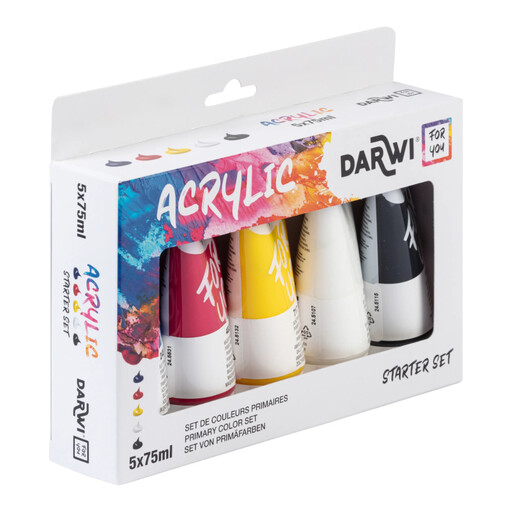
Why this choice suits this type of user : The five 75 ml tubes provide a generous supply for studies, painting on canvas and regular projects. The colours mix easily and can be applied with a brush or palette knife.
The generous volume reduces the risk of running out of paint quickly, unlike very compact sets designed for occasional trial use.
Concentrated pigments according to the product listing, a creamy texture, a satin finish and tools that can be cleaned with water while the paint is still wet.
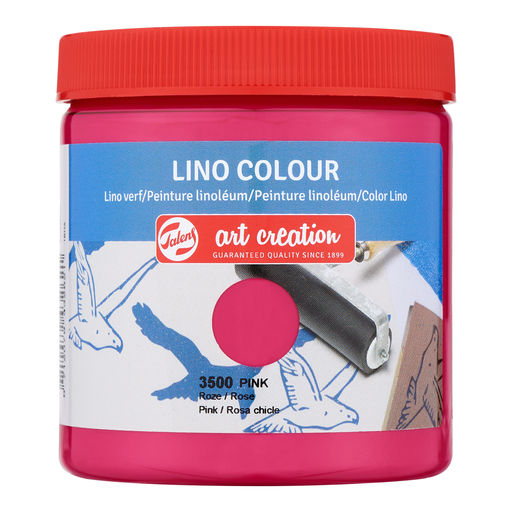
Why this choice suits this type of user : This lino printing ink is designed for roller printing on a lino block. Its 250 ml pot is suitable for repeated projects on paper, card and certain suitable fabrics.
It avoids using ordinary gouache for a printing technique that requires more opaque ink and even application with a roller.
A water-based ink, opacity described as high and tools that can be cleaned with water immediately after use.
We have brought together a complete, real-time updated selection of products that meet these demanding selection criteria and European safety regulations.
For a young child, water-based gouache or watercolour with a clearly stated recommended age is generally the easiest to use. Finger paint is suitable for sensory activities, while a watercolour set with a brush supports early exercises on paper. Check the warnings, whether there are any small parts and whether adult supervision is required.
The term “washable” makes cleaning easier, but does not guarantee that every mark will disappear. Act quickly: remove the excess, rinse with cold water and then use a soap suitable for the fabric. Avoid hot water before treating the stain, as it may set some marks. An apron and a protective tablecloth remain invaluable allies.
Shelf life depends on the formula, how often the product is opened and how well the container is closed. Carefully resealed tubes and pots last longer than containers left open. Dispose of paint if its smell, texture or appearance has changed significantly. To minimise waste, choose a size suited to how often you paint rather than a large assortment that may go unused.