
Livraison le jour même ou le lendemain

Qualité garantie

Débloquez vos offres de bienvenue: Livraison GRATUITE | Jusqu'à -80 % | 30 jours d'essai gratuits à JoyPlus
Téléchargez l'application
For any fan of Asian cuisine, recreating the authentic taste of a noodle dish savored on your travels or at a favorite local restaurant is the ultimate culinary quest. The challenge? Sourcing the right ingredients to recapture that magic. As convenient as they are, mass-produced noodles rarely deliver that firm yet tender texture and unique ability to absorb sauces—the very qualities that set hand-pulled Chinese noodles apart.
This guide is here to help you navigate the options and choose high-quality artisanal Chinese noodles. We'll present specific recommendations for everything from a comforting soup to a wok stir-fry or a refreshing noodle salad.
Before you check out, a few key indicators can help you distinguish a quality product and find the perfect match for your recipes.
The fundamental difference between standard noodles and traditional Chinese noodles lies in their production. Handmade noodles are kneaded, stretched, and cut using time-honored techniques. The drying process is another hallmark of quality. Natural sun-drying, for example, is a slow method that preserves nutrients and develops a firmer, more elastic texture when cooked—the complete opposite of rushed, industrial drying.
A quick look at the ingredient list is often all you need to judge the quality and flavor profile of the noodles.
A noodle's shape isn't just about aesthetics; it dictates its culinary use. Flat, wide noodles are excellent for soaking up the thick sauces in stir-fries (wok noodles). Thin, round noodles, on the other hand, pair perfectly with the clear broths of soup noodles because they don't become waterlogged too quickly. Consider the dish you plan to cook to make the right choice.
To help you buy Asian noodles that check all the boxes, here is our selection from the Huiji brand, renowned for its artisanal craftsmanship.

What sets them apart?: Here, spinach powder is integrated directly into the dough, providing a beautiful natural green color and a nutritional boost. Sun-drying, the quintessential traditional method, enhances their chewy texture while preserving the natural aroma of the wheat. Their wide, ribbon-like shape is ideal for clinging to sauces and broths.
Key Features?:
Who is it for? An excellent option for those looking to add a visual and nutritional touch to their dishes. They are particularly well-suited for families due to their generous 800g size and versatility for soups, stir-fries, or cold noodle salads.
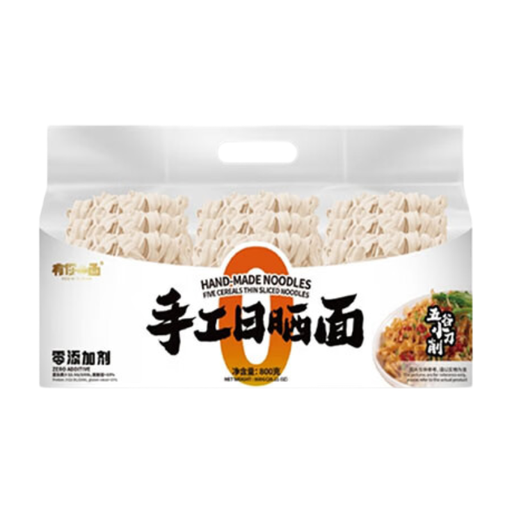
What sets them apart?: These five-grain noodles are crafted from a blend of wheat flour (58.95%), buckwheat flour (1.54%), and konjac flour (0.32%). This combination of grains yields a unique texture and a much richer, more complex flavor than classic wheat noodles. A smart choice for those looking to diversify their diet.
Key Features?:
Who is it for? Ideal for health-conscious consumers and families who appreciate rustic flavors. Their composition makes them a solid foundation for nourishing dishes, whether served hot with sauce or in a broth.

What sets them apart?: Here you'll find all the strengths of Huiji noodles: artisanal techniques and sun-drying. The addition of buckwheat flour not only imparts a characteristic nutty flavor but also increases their dietary fiber content. A versatile must-have.
Key Features?:
Who is it for? This product is for fans of authentic Japanese and Chinese flavors, as well as those seeking higher-fiber alternatives to traditional wheat pasta. Their versatility makes them a pantry staple.
If the options presented don't quite match what you're looking for, or if you're simply curious to discover other textures, our selection doesn't end here. Feel free to explore our full range to find the hidden gem that will elevate your next culinary masterpiece.
Discover Our Full Range of Artisanal Noodles
Most dried artisanal noodles, like those in our Huiji selection, should be cooked in a large pot of boiling water for 6 to 8 minutes. Remember to stir occasionally to prevent them from sticking together. For a firmer, "al dente" texture, simply reduce the cooking time by a minute or two.
Store the package in a cool, dry place, away from direct sunlight. Once opened, it's best to transfer the noodles to an airtight container to maintain their freshness and protect them from moisture.
The difference is striking, both in texture and in the ability to absorb flavors. Artisanal noodles, often sun-dried, have a more pleasant chew and a slightly porous surface that clings to sauces and broths much better. The traditional production process preserves the authentic taste of the ingredients, resulting in a much richer taste experience.