
Livraison le jour même ou le lendemain

Qualité garantie

Débloquez vos offres de bienvenue: Livraison GRATUITE | Jusqu'à -80 % | 30 jours d'essai gratuits à JoyPlus
Téléchargez l'application
Adding greenery to your home or balcony without the hassle of watering and maintenance is an appealing idea. But the market for artificial plants is so vast that it's easy to end up with a disappointing product. Overly shiny plastic, colours that fade after the first summer, poor stability... the pitfalls are many. This guide is here to help you identify the essential criteria for a successful and long-lasting purchase.
Before you make a decision, let's review the most common flaws that can quickly turn a smart buy into a regret.
To avoid these pitfalls, you just need to check a few characteristics that make all the difference.
The realism of a faux plant depends above all on the materials used.
A low-maintenance plant doesn't mean a static one.
A plant for every space, a solution for every need. Here are a few options we've selected for their ability to meet specific uses while avoiding the classic pitfalls.

Why we chose it: Perfect for dressing up a balcony railing, pergola, or an interior wall without taking up floor space. The artificial hanging plant format creates an immediate cascading greenery effect.
The materials are described as water-resistant and fade-resistant, making them suitable for sheltered outdoor use. This counters the risk of premature ageing due to the elements.
The set of 4 allows you to create a dense and lush arrangement. The colour gradients on the silk flowers enhance the realistic appearance.
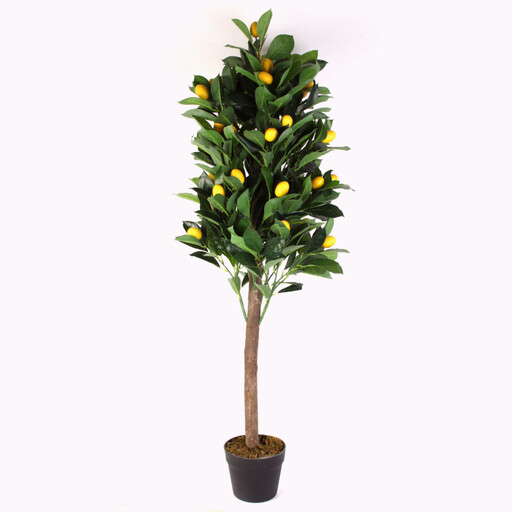
Why we chose it: Perfect as a statement piece in a living room, entryway, or office. Its 120 cm height makes it a true interior decor element that structures the space with a Mediterranean touch.
The combination of polyester leaves and textured plastic fruit avoids the pitfall of a uniform, shiny look. The base pot is weighted to ensure the stability of this artificial tree.
It brings a touch of colour and freshness all year round, with zero maintenance. The realism of the lemons and foliage makes it an instant visual focal point.
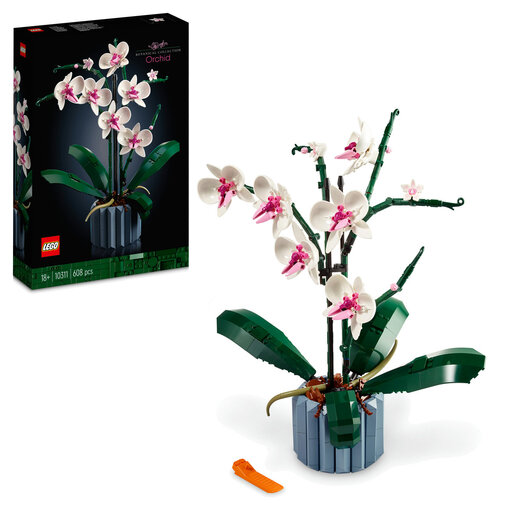
Why we chose it: An original take on the artificial plant, blending decoration with a creative activity. It's an object that is sure to spark conversation and offers a relaxing building experience for adults.
Here, it's not about hyper-realistic imitation; the model reinterprets reality in a stylised way. The quality of the LEGO pieces and the clever design guarantee a final result that is as beautiful as it is sturdy.
Fully customisable: the stems, flowers, and roots can be rearranged as you wish. This set is part of the LEGO Botanical Collection, inspired by real plants.
Discover our full selection of products that meet our quality standards and current regulations.
Regular dusting is key. A feather duster or a soft, dry cloth is sufficient in most cases. For a deeper clean, a slightly damp cloth will do the trick. For hard-to-reach corners, a hairdryer on a cool setting or a can of compressed air is very effective. In any case, avoid harsh chemical products.
Yes, but on one condition: you must choose a model specifically designed for this purpose. Look for the mention "UV-treated" or "weather-resistant" on the product description. Without this protection, a standard artificial plant will quickly fade and degrade under the effects of sun and rain.
A few simple tricks can make all the difference. First, place your artificial plant in a nice decorative pot (terracotta, ceramic, wicker, etc.). You can also add a layer of real small stones, dried moss, or clay pebbles to the surface of the pot to hide the base. Finally, take the time to gently "unfold" and arrange the leaves and branches to break up the symmetry and give it a more natural movement.