
Livraison le jour même ou le lendemain

Qualité garantie

Débloquez vos offres de bienvenue: Livraison GRATUITE | Jusqu'à -80 % | 30 jours d'essai gratuits à JoyPlus
Téléchargez l'application
Opting for an artificial indoor plant is the ultimate hassle-free solution for adding greenery to your home without worrying about watering, light, or maintenance. The problem? The market is flooded with models of wildly inconsistent quality. One wrong choice, and the touch of nature you were hoping for becomes a disappointing, soulless plastic object. To guide you toward a smart purchase, here are the pitfalls to avoid and the criteria that truly make a difference.
Before falling for a pretty picture, it's best to know the recurring flaws that signal a low-quality fake plant.
To make the right choice, focus on the few details that change everything.
The realism and longevity of your artificial plant depend entirely on its materials. A high-end artificial plant stands out through the use of specific materials:
Also, remember to check for a UV-resistant treatment. This is the best guarantee of durability, ensuring the colours won't fade after a few months, even near a window.
A perfect illusion lies in the details. Before buying, scrutinise the following points:
The container is the finishing touch that anchors your plant in your interior decor. A plant delivered in a simple, weighted pot is a good starting point. For a more elegant finish, pairing it with a designer vase or a pot made of ceramic, terracotta, or metal can radically transform its appearance and integrate it perfectly into your style.
Rather than offering a generic list, we have matched specific products to distinct user profiles.
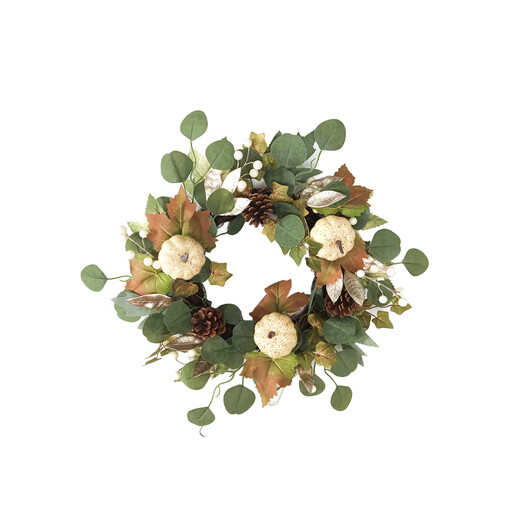
Why we love it: Perfect for those who love to adapt their decor with the seasons. It adds an instant autumnal touch to a front door or wall, without the commitment of a permanent plant.
Its rattan base and natural pinecones avoid the "all-plastic" trap and provide an authentic texture.
Ready to use, it immediately creates a warm atmosphere. The ultimate seasonal decor item.
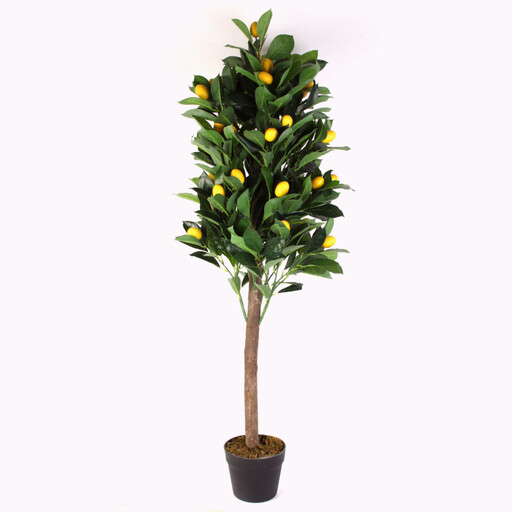
Why we love it: Perfect for adorning a living room or office with a statement piece, with zero hassle. At 120cm tall, it structures the space and adds a touch of character, all without any maintenance.
Here, the goal isn't hyper-realism, but visual impact. Its design embraces its decorative nature and relies on robust synthetic materials, designed for durability and colour retention.
A vibrant, Mediterranean touch in your home, all year round, without ever worrying about light or watering.
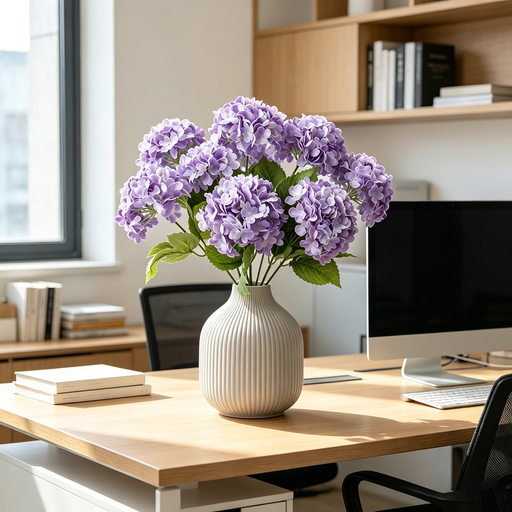
Why we love it: With its compact size (33cm), it's perfect for a shelf, desk, or bedside table. Ideal for adding a delicate floral note without overwhelming the space—a must-have in a minimalist decor.
The flowers and leaves are made of silk, a material with a much more refined look than plastic. A crucial detail for an object admired up close.
Its wire-core stems are fully flexible. You can shape the bouquet as you wish in a small vase to create a custom arrangement.
We've compiled a selection of products that meet our strict quality criteria.
How do I clean an artificial plant without damaging it? For regular dusting, a simple feather duster or soft cloth is sufficient. For a deep clean, use a hairdryer on the "cool air" setting to dislodge dust from crevices. If necessary, a slightly damp cloth will work on plastic or latex leaves, but avoid using water on silk.
What is the lifespan of a high-end artificial plant? A high-end model with UV-resistant treatment can remain impeccable for 5 to 10 years, or even longer. It all depends on its direct exposure to sunlight and how often you handle it.
Do artificial plants fade in the sun? Yes, direct and prolonged exposure to UV rays causes colours to fade, especially on entry-level models. If your plant is intended for a very sunny spot, choosing a model that is explicitly UV-treated isn't an option—it's a necessity.