
Livraison le jour même ou le lendemain

Qualité garantie

Débloquez vos offres de bienvenue: Livraison GRATUITE | Jusqu'à -80 % | 30 jours d'essai gratuits à JoyPlus
Téléchargez l'application
Artificial flowers? They promise a lasting touch of nature and colour, without the chore of watering fresh plants. But the experience often ends in disappointment: colours that fade in the sun after a single summer, a cheap "plastic" look that drags down your decor, or finishes so fragile that petals fall off at the slightest touch.
As a product expert, my mission is to guide you through the jungle of options to help you make the right choice. Let's forget the marketing jargon and focus on the details that truly separate a quality floral arrangement from a purchase you'll regret. Here's how to avoid the most common pitfalls.
Before you buy, three technical points deserve your full attention. These are what determine the quality and longevity of your future artificial plants.
The realism of your flowers depends above all on their material. There are three main types:
The pitfall to avoid? Low-grade, shiny, and rigid plastic that screams "fake!" at first glance.
Be careful, a simple "for outdoor use" label guarantees nothing in the long run. The public enemy number one for your balcony or garden plants is the sun. Prolonged exposure to ultraviolet rays fades colours and makes plastic brittle.
To prevent your purple geraniums from turning a washed-out blue in a few months, look for the "UV-treated" or "UV-resistant" label in the product description. This is the only guarantee that the materials will retain their colour and flexibility against sun, rain, and wind.
A quality artificial plant is never a static block of plastic. To create a harmonious artificial flower bouquet or a custom wedding decoration, flexibility is key. Make sure the stems have a wire core. This will allow you to bend, shape, and adjust their height for a perfect drape in your vase.
The density of the foliage or the number of flowers per stem is also an excellent indicator. A full plant instantly looks more lush and natural, and will save you from having to buy more to fill in the gaps.
To put theory into practice, here are a few concrete examples that meet different needs and decor projects.
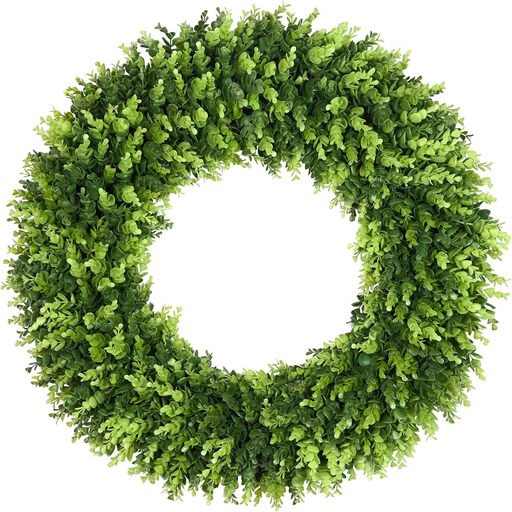
Why we chose it: Perfect for elegantly dressing up a front door. Its generous 81 cm diameter ensures a dramatic effect, while its timeless style transitions through the seasons flawlessly.
Made from high-quality, UV-resistant plastic, this wreath is designed to withstand the elements without losing its colours.
Its natural vine base and integrated hooks simplify installation and ensure its longevity. A bonus: it can be customised for holidays (Christmas, Easter...).
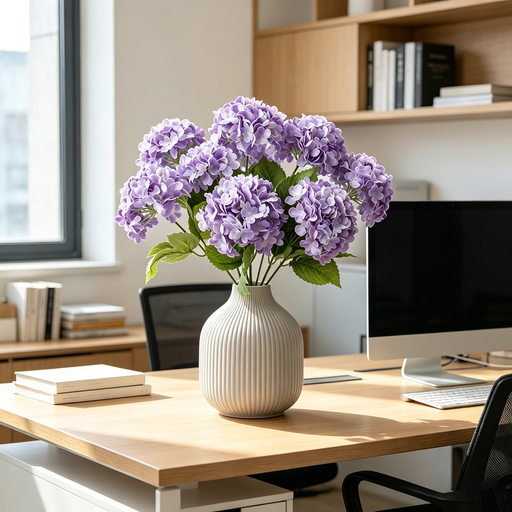
Why we chose it: Ideal for creating a centrepiece or brightening up a shelf. With its 7 generous heads, this hydrangea bouquet brings a poetic touch and striking realism to your interior.
Thanks to its petals and leaves made of high-quality silk, it completely avoids the "plastic" effect for a soft look and feel.
The stems have a wire core, making them fully adjustable to fit the shape and height of any vase.
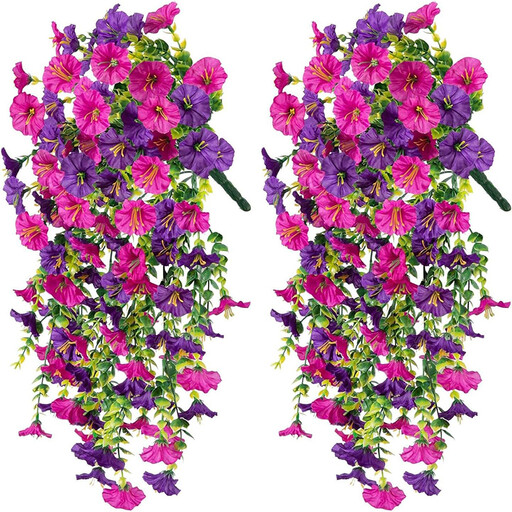
Why we chose it: Specially designed for balconies, patios, and porches, this set of four long flowering vines creates an instant, lush cascade of colour, ready to face the weather.
These plants are made from a waterproof and fade-resistant material, guaranteeing vibrant blooms that last, season after season.
Sold in a set of 4, it offers excellent value for an instantly full and dense look. Zero maintenance, maximum impact.
If you're passionate about floral art, discover how to preserve real flowers for your DIY creations.
For a simple dusting, a feather duster or a hairdryer (on a cool, low setting) is sufficient. If they are very dirty, a slightly damp microfibre cloth will do the trick. Most importantly, never use harsh chemicals that could damage the colours.
Absolutely, if they aren't designed for it! Standard plastics and fabrics cannot withstand UV rays, and their colours will eventually fade. For a balcony or garden, it is therefore essential to choose models guaranteed to be UV-treated by the manufacturer.
A few pro tips can make all the difference. "Plant" your flower in a nice pot with real soil, moss, or pebbles to hide the base. Gently bend the stems and subtly crumple a few leaves to simulate the small imperfections of a living plant. The ultimate trick? Mix your best artificial plants with real houseplants. The illusion is often perfect.