
Livraison le jour même ou le lendemain

Qualité garantie

Débloquez vos offres de bienvenue: Livraison GRATUITE | Jusqu'à -80 % | 30 jours d'essai gratuits à JoyPlus
Téléchargez l'application
Artificial flowers make an enticing promise: a floral touch that lasts, without the maintenance, watering, or inevitable wilting of fresh flowers. Ideal for artificial floral decor that transcends the seasons, for a wedding, or for a major event, they are a smart and sustainable alternative. The only problem is that the market is flooded with options, and it's easy to be disappointed. To avoid getting it wrong, here are the pitfalls to watch out for.
Before making your choice, it's helpful to know the most common pitfalls so you can avoid them.
Once you have these pitfalls in mind, making an informed decision becomes much simpler. Here are the technical criteria that never fail.
To distinguish a high-end artificial flower from a poor imitation, it's all in the details. A few technical points make all the difference.
The choice of material is the number one criterion. It dictates the realism of the look and feel.
A good artificial flower must be mouldable. Check that the stems contain a metal wire. This is essential for bending, curving, and cutting them to fit your vase or your artificial flower centrepiece project. Stems made of 100% rigid plastic drastically limit your creative options. A flexible stem guarantees you can give each flower a natural curve for a more organic and lifelike artificial flower bouquet.
A real flower is never perfectly uniform. High-quality models excel at replicating these natural nuances: slight variations in shade on the petals, subtly coloured edges, or visible veins on the leaves. These details, however discreet, are crucial for the realism of the arrangement.
Enough theory—let's get to our recommendations. Here are targeted suggestions for every project to help you find the perfect artificial flower for your needs.
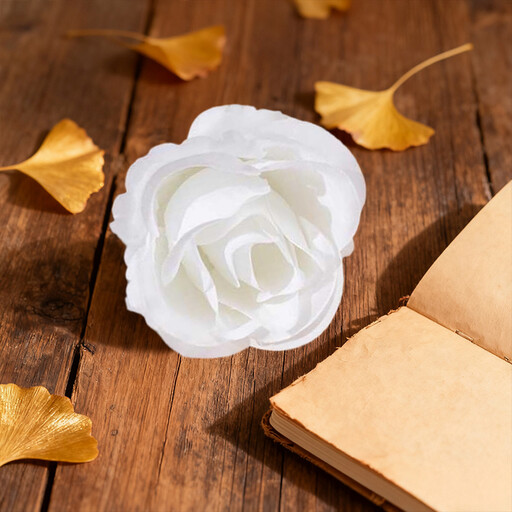
Why we chose it: For a wedding, baby shower, or large reception, volume and visual consistency are key. This set of 20 roses allows you to create centrepieces, bridesmaid bouquets, or decorate a floral arch in a cohesive and elegant way.
Its high-density foam material ensures a matte and soft texture, a far cry from the shiny plastic effect of low-end models.
The 20-piece bulk pack is very cost-effective for large projects. The stems are designed to be easily shaped.
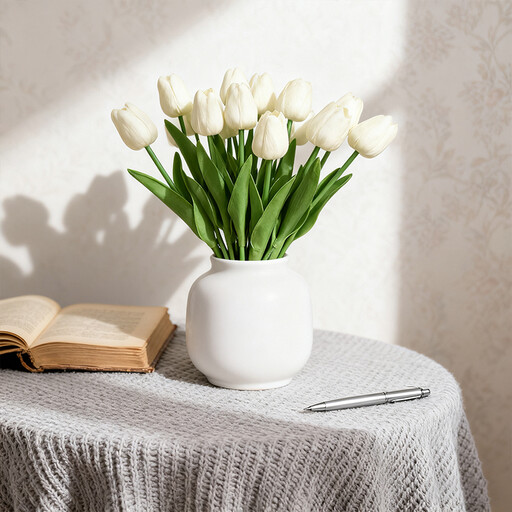
Why we chose it: To brighten up a console table, nightstand, or desk, realism is non-negotiable, as they'll be seen up close. Their clean style fits perfectly into modern interiors.
The "real touch" latex perfectly mimics the texture and appearance of real tulips, eliminating any risk of a "plastic" look.
The visual and tactile result is stunning. The flexible stems allow you to create a very natural arrangement in a vase.
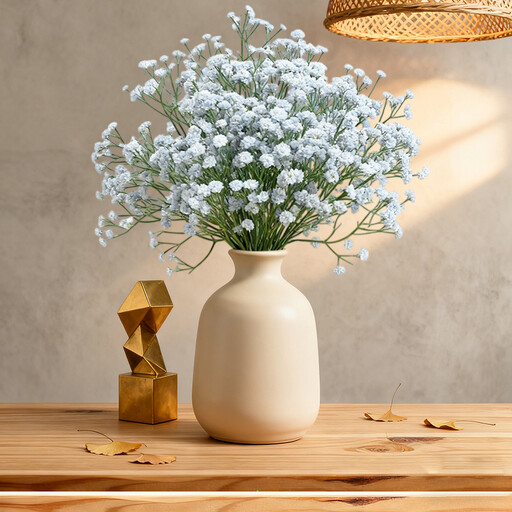
Why we chose it: Gypsophila (baby's breath) is the quintessential filler flower. It's perfect for DIY enthusiasts who want to add volume and lightness to a bouquet, create a wall wreath, or enhance gift wrapping.
Its structure is designed to be handled. The florets are securely attached, and the thin yet sturdy stems can be easily cut and integrated without crumbling.
It's ultra-versatile for adding texture and an airy feel to any composition. Its multiple branches offer plenty of material to work with.
For an event as important as a wedding, the choice of flowers must be flawless. We have selected models that tick all the boxes: realism, quality, and ease of use.
The simplest and safest method? A blast from a hairdryer on the "cool air" setting at low power to blow away dust. For a stain, a very lightly damp, soft cloth will do the trick. Absolutely avoid submerging them in water or using detergents, which could alter the colours and materials.
It all depends on the model. Most artificial flowers are designed for indoor use. Prolonged exposure to sun, rain, and wind will almost always lead to rapid fading and material degradation. If you want to use them outside, opt for a sheltered location (under a porch, for example) and look for models specifically treated to be UV-resistant, as indicated in the product description.
A few simple tricks can make all the difference. First, work the stems and leaves: bend them slightly to give them a more natural, less rigid movement. Vary the heights in the vase to break up the symmetry. The ultimate trick? Add a little water to your vase if it's transparent. The illusion is perfect and creates a stunningly effective impression of freshness.