
Livraison le jour même ou le lendemain

Qualité garantie

Débloquez vos offres de bienvenue: Livraison GRATUITE | Jusqu'à -80 % | 30 jours d'essai gratuits à JoyPlus
Téléchargez l'application
Whether you're a seasoned artist, an adult coloring enthusiast looking to unwind, or a parent searching for the perfect supplies for a budding Picasso, choosing art pens and markers can quickly become a headache. The market is flooded with options, marketing promises are everywhere, and it's easy to end up with disappointing or unsuitable tools. As a product expert at Joybuy, my mission is to clear the path for you. Let's break down the common pitfalls to avoid and the criteria that truly matter so you can make the right choice.
The market is full of products with tempting packaging, but a few recurring flaws are enough to ruin the experience. Here are the red flags to keep in mind.
To avoid these disappointments, simply focus on a few technical characteristics. These are what determine the performance of your future tools and how you can use them.
The ink is the soul of your marker. There are three main types:
The tip is what gives your line its character. Dual-tip models, meanwhile, multiply the possibilities.
To illustrate these criteria in action, here are a few of our recommendations, each tailored for a specific use and user profile.
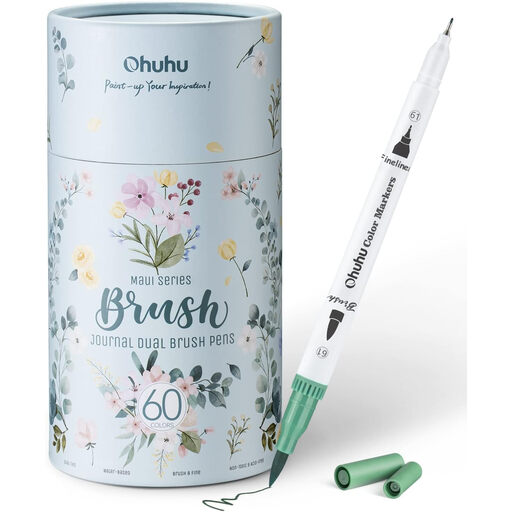
Why we chose it: For beginners or for varied uses like journaling, this set offers excellent value for its versatility. The dual tip (brush and fine) lets you switch from coloring to detailed writing without switching tools.
The water-based ink, when used on suitable paper (over 100 gsm), greatly reduces the risk of bleeding through the page. The sturdy dual tip holds up to regular use.
The combination of a flexible brush tip and a 0.4 mm fine tip makes it an all-in-one tool for drawing, calligraphy, and colorful note-taking.
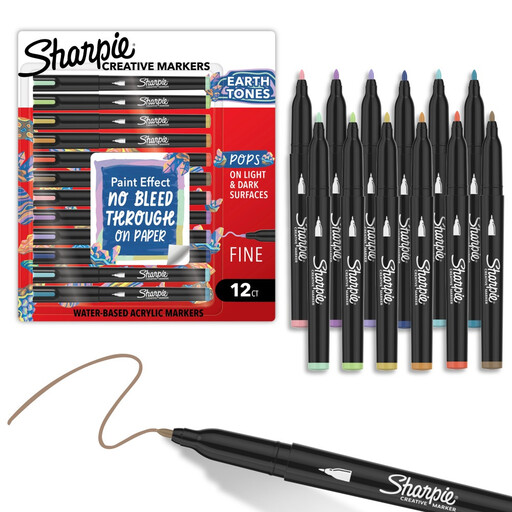
Why we chose it: For those who love to customize objects or draw on rocks, wood, or glass, acrylic markers are a must-have. This set provides a paint-like finish without the hassle of brushes.
The acrylic ink is opaque and doesn't bleed through non-porous surfaces. The fine tip is designed to be sturdy and precise, even on rough surfaces like stone or wood.
Visible on both light and dark surfaces. The ink can be layered after drying to add dimension to your creations, without the colors bleeding into one another.
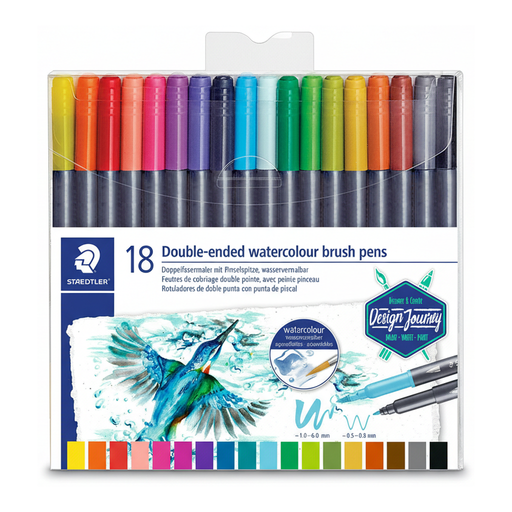
Why we chose it: Artists who seek the quality of renowned brands will appreciate the pigmentation and blendability of these pens. They allow you to combine the precision of drawing with the fluidity of watercolor.
The high-quality pigments ensure vibrant, long-lasting colors. The tips (brush and fine) are designed for advanced artistic use, offering both control and durability.
The water-based ink is fully water-soluble. Apply the color, then use a wet brush to dilute, blend, and create authentic wash effects.
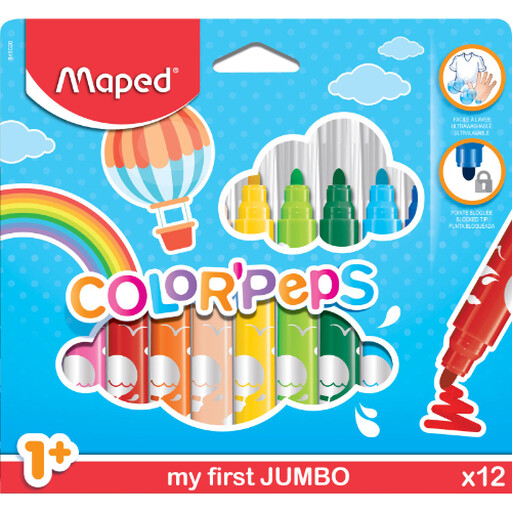
Why we chose it: Safety, durability, and easy cleanup are the top priorities for kids' markers. This model is specifically designed for small hands and... enthusiastic use.
The tip is blocked to prevent it from being pushed in. The ink is ultra-washable on skin and most fabrics, preventing permanent stains. The jumbo size is easy for little hands to grip.
Designed for the safety of toddlers (from 1 year up, with supervision), with a wide, sturdy tip and ink that washes off with soap and water for parents' peace of mind.
We've curated a complete selection of products that meet our quality criteria and current safety standards.
Your choice of paper is just as important as your choice of marker. For water-based or alcohol-based inks, opt for paper with a weight of at least 120 gsm, or even specialty layout or mixed media paper. The problem is less common with acrylic markers, but a surface primed with gesso will yield better results on porous materials like wood.
The fundamental difference lies in the ink's opacity and permanence. Watercolor markers have a translucent, water-based ink that can be diluted and blended like watercolor paint. Acrylic markers have an opaque, paint-like ink that becomes permanent and water-resistant once dry. They are designed to cover a surface, including dark colors.
The golden rule is to always recap your markers tightly after each use to prevent the tip from drying out. For most markers, especially dual-tip ones, it's recommended to store them horizontally. This ensures even ink flow to both tips and extends their lifespan.