What should you consider first?
For people equipping or getting a home back up and running in mainland France, priorities depend on which appliances are already available. Each row covers a main reason for buying.
| Priority |
What to check |
Who this matters most to |
| Keeping food fresh |
Whether an appliance is already provided; usable capacity, dimensions and door opening; the model’s stated energy use. |
If there’s no usable appliance for keeping food fresh, I’ll prioritise refrigeration and the capacity I actually need. Around 26% of consumers put keeping food fresh first. |
| Preparing meals |
Whether a hob, oven or microwave is already in place; the space, power supply and installation dimensions. |
If there’s no working way to prepare meals, I want to be able to cook as soon as I move in. Cooking is the top priority for around 21% of consumers. |
| Doing the laundry |
Whether a washing machine is already provided; dimensions, connections, capacity, stated energy use and noise level. |
If I need to do the laundry at home, I’m looking for an appliance suited to my usual loads. Around 21% of consumers prioritise doing the laundry. |
| Space and washing up |
Available space and connections; place settings, noise and energy use for the reference cycle. |
In a home where space is at a premium, I want to know whether a dishwasher meets a real need before setting aside room for one. Around 16% of consumers prioritise how well the space available suits their washing-up needs. |
| Cost and length of use |
Energy use and repairability; the product’s condition, stated testing and the seller’s identity for a refurbished appliance. |
To avoid buying an unsuitable appliance or replacing it too soon, I compare its condition and how I’ll use it, not just the purchase price. Around 16% of consumers prioritise the total cost and how long they’ll use an appliance. |
Appliances available on Joybuy
This selection covers laundry, food refrigeration and a portable cooking option. First check what’s already provided, then measure the space before choosing an appliance.
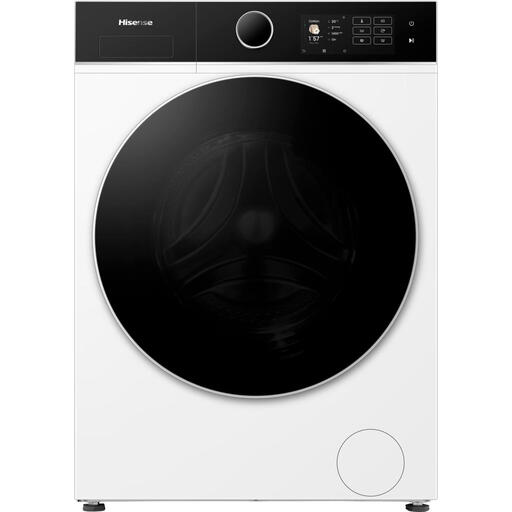 Image unavailable
Hisense WF5I8043BWF, 8 kg washing machine
Worth considering if you want to do the laundry at home and have limited depth available.
Stated capacity: 8 kg; depth: 47 cm; energy rating A.
The water supply and waste pipes must be connected correctly.
View on Joybuy
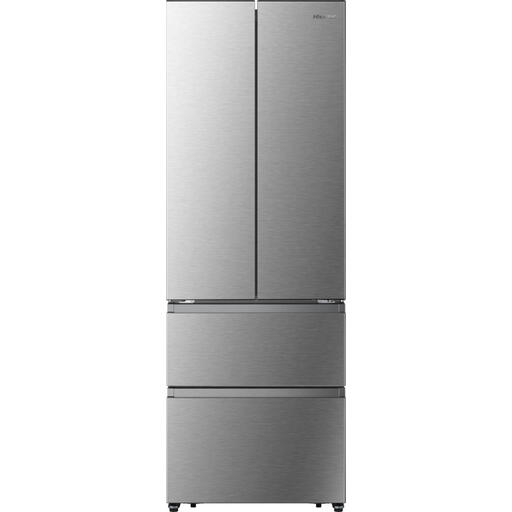 Image unavailable
Hisense RF632N4BCE, 485 L fridge-freezer
Worth considering if you need space for both chilled and frozen food.
Stated total capacity: 485 L, including 336 L for refrigeration and 149 L for freezing; Total No Frost technology; energy rating E; stated noise level of 38 dB.
Allow enough ventilation and space for the doors to open.
View on Joybuy
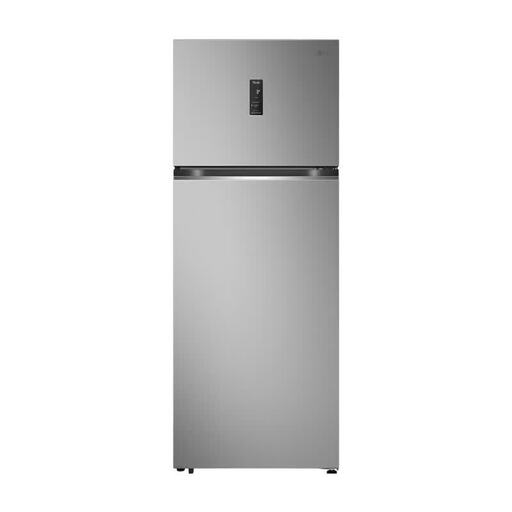 Image unavailable
LG GTBV44PYBKD, 461 L fridge-freezer
Worth considering if you’re looking for a freestanding appliance to keep fresh and frozen food.
Stated net capacity: 461 L; width: 70 cm; energy rating E; Total No Frost technology.
Stated dimensions: 72,5 × 70 × 184,5 cm; measure the available space before installation.
View on Joybuy
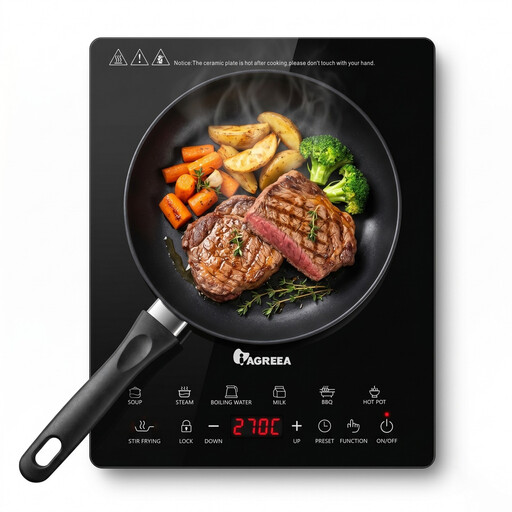 Image unavailable
IAGREEA DF200-14V10, 2 000 W portable induction hob
Worth considering as a portable cooking option if it suits the meals you prepare and the appliances you already have.
Stated maximum power: 2 000 W; 8 power levels and 7 preset programmes.
Compatible with cookware with a flat magnetic base measuring 12 to 26 cm in diameter.
View on Joybuy
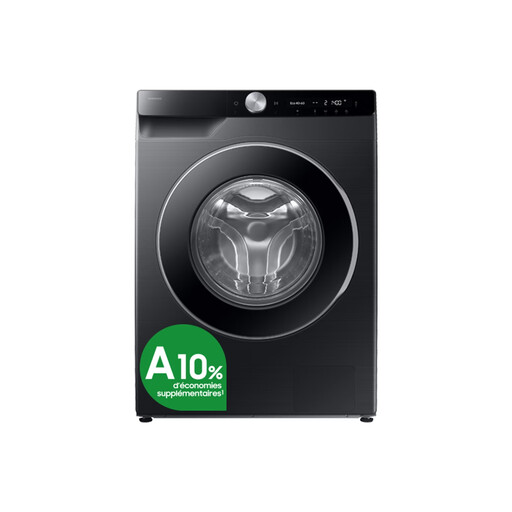 Image unavailable
Samsung WW90DG6U85LBU3, 9 kg washing machine
Worth considering if a stated capacity of 9 kg suits your household’s usual laundry loads.
Energy rating A; 44 kWh per 100 cycles and 50 L per cycle according to the product page; stated maximum spin speed of 1 400 rpm.
Listed dimensions: 60 × 85 × 55 cm, with a depth of 63 cm including the door. Check the available space.
View on Joybuy
Frequently asked questions
What should I check before buying for a furnished rental?
Start by listing the appliances provided and checking that they work. For a furnished home covered by Decree No. 2015-981, the list includes a hob, an oven or microwave, and a fridge with a freezer or a compartment that can reach a temperature of −6 °C or lower. This requirement applies to the landlord’s provision of appliances; it doesn’t mean every household has to buy them.
Should I replace a supplied appliance myself if it breaks down?
Don’t assume you need to buy a replacement straight away. For appliances listed in the tenancy agreement, ANIL distinguishes between routine maintenance, damage caused by abnormal use and repairs due to wear and tear. Look into what caused the fault and let your landlord know.
How can I check my fridge’s temperature?
Anses recommends a temperature between 0 and +4 °C at the coldest point. You can check it with a thermometer. Avoid overfilling the appliance and clean it regularly, too.
Does a refurbished appliance come with the legal guarantee of conformity?
Yes. When a professional sells it to an individual, the legal guarantee of conformity also applies to refurbished and second-hand goods. However, the DGCCRF states that the presumption that a fault existed before purchase applies for one year for second-hand goods, compared with two years for new goods.
How can I compare the running costs of appliances?
Compare energy use on a like-for-like basis: annually for the relevant fridges, or per reference cycle for laundry appliances. Also check with the seller what’s included in delivery, installation and removal of your old appliance. A calculation based on a particular electricity tariff won’t guarantee the amount of your bill.


