Housemates short on space
If groceries, ready meals or washing-up are piling up, compare the usable space and how often everyone uses the appliance, rather than looking only at its stated capacity.


When choosing appliances for a shared house, match each one to the problem it needs to solve: space for groceries, washing-up or laundry piling up, noise during quiet hours, or maintenance that needs to be shared. Compare capacity, energy use and noise figures between appliances in the same category, then check the available installation space and repair options for the model you choose. A larger appliance won’t remove the need to agree how everyone will use it.
If groceries, ready meals or washing-up are piling up, compare the usable space and how often everyone uses the appliance, rather than looking only at its stated capacity.
When people have different sleeping or working hours, the stated noise level of the dishwasher and the washing machine during the spin cycle become important factors. The European Commission lists these figures among the information that can help you compare the appliances concerned.
If a breakdown would disrupt everyone, check the rating that applies to the model, which parts are compatible and what repair services are available. ADEME presents durability and repairability ratings as aids to comparison, not guarantees of an appliance’s lifespan.
Start with the ways appliances are used at the same time in your home: groceries and meals, laundry slots, quiet hours, then how maintenance will be shared. ADEME and the European Commission explain that energy labels let you compare capacity, energy use and noise, depending on the appliance category. You’ll need to assess the layout and installation separately.
| Criteria | What to check | Who is this for? |
|---|---|---|
| Capacity and storage | Compare the fridge compartments, the dishwasher baskets and place settings, or the washing machine’s rated load in kg with the way you’ll actually use it. | When several people are putting away groceries or waiting for the next cycle, I want to avoid running out of space or available time slots. Around 33% of consumers would make usable capacity their priority. |
| Noise | Check the stated figure for the model and the relevant phase; for a washing machine, pay particular attention to the spin-cycle noise. | If a cycle runs near my bedroom or while I’m working, I want to minimise disruption without assuming every phase is equally noisy. Around 27% of consumers would put peace and quiet first. |
| Energy use and service life | Compare energy use and, depending on the appliance, water use on the same labelling basis. Also check the durability or repairability rating that applies to the model. | When we use appliances frequently and share the costs, I’d rather look at their energy use and repair options before choosing. Around 20% of consumers would prioritise these running costs and service life. |
| Maintenance and handling breakdowns | Check the manual for routine maintenance tasks, then confirm which parts are compatible and what service options are available for the specific model. | If several people need to maintain the same appliance, I want everyone to know what needs cleaning and who to contact if it breaks down. Around 20% of consumers would make keeping these arrangements simple their priority. |
A fridge’s volume, a dishwasher’s place settings or a washing machine’s load capacity won’t tell you whether the compartments, larger dishes or everyone’s schedules will be easy to manage.
Measure the space, check the model’s layout and agree some simple rules for putting things away and starting cycles.
A figure for a washing machine’s spin cycle doesn’t describe every stage of the wash. How close the appliance is to bedrooms or a workspace also affects how important noise will be.
Compare appliances in the same category and check which phase or programme the stated figure refers to.
Repairability and durability ratings cover different characteristics and don’t guarantee that an appliance won’t break down or that every part will be available.
In France, check the rating that applies to the washing machine, dishwasher or vacuum cleaner in question, then check parts availability and service conditions separately.
If an appliance is supplied with a rented home, who pays depends in part on the type of work needed and the circumstances of the breakdown. Service Public distinguishes routine maintenance and minor tenant repairs from other situations.
Agree with your housemates who will keep the receipts for appliances you buy together. If the appliance came with the property, check the tenancy agreement and inventory before paying for any work.
Worth considering for selected dishwashers and vacuum cleaners if repairability and parts availability are part of your decision.
Worth considering for washing machines if the displayed rating is part of your comparison.
Worth considering if access to dishwasher parts is important to your group’s decision.
Worth considering if you’d like to find usage information and service options in one place.
These models cover washing-up, food storage and cleaning shared spaces. To choose between them, start with the appliance your household needs, then check that its capacity and dimensions suit the space available.
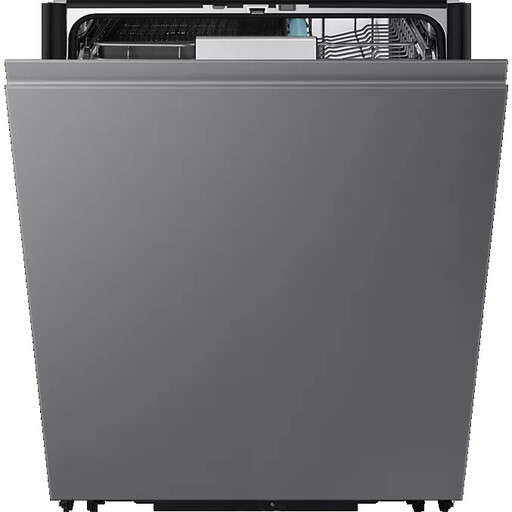 Image unavailable
Worth considering if several meals’ worth of washing-up builds up before the next cycle and your kitchen is suitable for a built-in appliance.
The product description lists a width of 60 cm and an A energy rating. Check the installation dimensions and basket layout against the dishes you use most often.
 Image unavailable
Worth considering if you share the washing-up and a freestanding appliance suits your kitchen layout.
The product description lists a width of 60 cm, a noise level of 41 dB and a C energy rating. Check the space, connections and whether the baskets will fit your dishes.
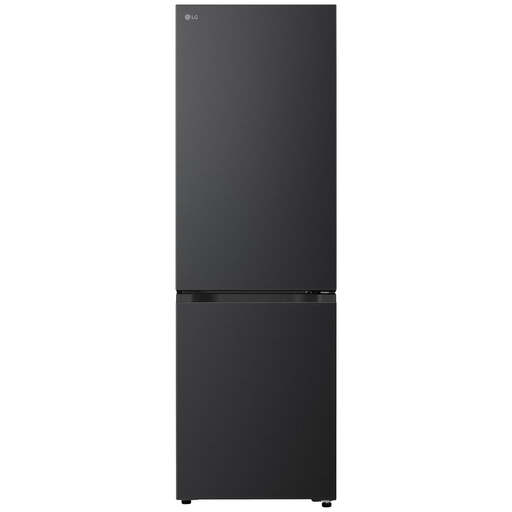 Image unavailable
Worth considering when several people need to store their food in a shared fridge.
The product description lists a C energy rating. Before choosing, check how the internal space is divided, the dimensions and the clearance needed around the appliance.
 Image unavailable
Worth comparing if several housemates need more space for their groceries and your kitchen can accommodate a multi-door appliance.
The product description lists an E energy rating. Measure the space and delivery route; if you’re considering the water dispenser, check its connection requirements.
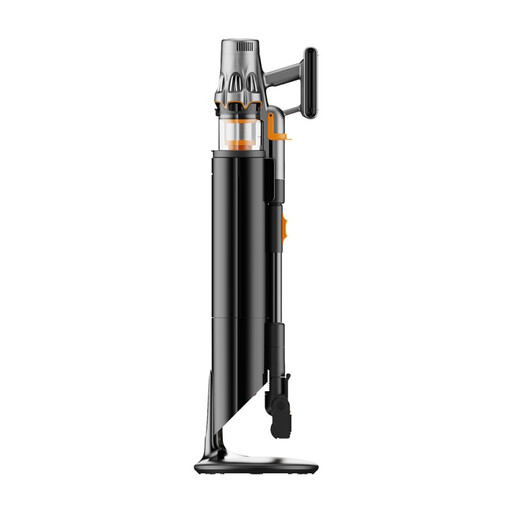 Image unavailable
Worth considering if housemates want to share the cleaning of communal rooms using a vacuum cleaner with a dedicated station.
The product description mentions an anti-tangle brush and an automatic emptying station. Check how much space the station needs, as well as compatible bags, filters and parts, before dividing up maintenance tasks.
Compare figures for the same type of appliance and based on the same measurement method. According to the European Commission, depending on the category, the label provides information such as energy use, water use, capacity and noise. For washing machines, the European EPREL database distinguishes, among other things, water use per cycle, energy use per 100 cycles and spin-cycle noise. Check the dimensions and installation requirements separately.
Check the rating that applies to the exact model, and don’t confuse durability with repairability. The French Ministry of the Economy states that the dishwashers and vacuum cleaners concerned carry a repairability rating; for the washing machines concerned, check the displayed durability rating. None of these ratings on its own guarantees the appliance’s lifespan or cleaning results.
Yes, in France, if a consumer buys the appliance from a professional seller and the legal conditions are met. Service Public states that the fault must appear within two years of the goods being delivered. Keep proof of purchase and agree who will contact the seller; this statutory guarantee is separate from any commercial warranty.
In France, the tenant is responsible for routine maintenance and minor rental repairs during the tenancy, according to Service Public. For a more serious breakdown, don’t assume who will pay: consider its cause, check the tenancy agreement and inventory, and distinguish between an appliance supplied with the property and one bought by the housemates.
First choose a capacity that suits the groceries, washing-up or laundry that actually builds up, then assign the tasks specified in the manual. Keep the model reference, manual and proof of purchase together; decide who will clean the filters or compartments and who will contact the seller if the appliance breaks down.