What should you look at first?
First, identify the appliance that matters most in your home, then compare its energy use with models that meet the same capacity needs.
| What matters | What to check | Consumers concerned |
|---|
| Replacement priority |
How often it’s used or whether it runs continuously; annual energy use for a fridge. |
If my fridge runs continuously or I do lots of washes, I want to look at that usage before replacing another appliance. Around 36% of consumers prioritise this. |
| Energy use and capacity |
Usable capacity; energy rating and consumption figure within the same category. |
I’m looking for a capacity that suits my loads and figures I can compare, without mistaking reference consumption for my actual bill. Around 29% of consumers are said to prioritise this. |
| How long it will be used |
Repair options and spare parts; durability index where applicable. |
If my appliance can still be repaired, I’d rather look into that before deciding to replace it. Around 21% of consumers would put this concern first. |
| Everyday convenience |
Noise; Eco programme duration for appliances with cycles. |
If noise matters in my home, or I need to fit cycles around a busy day, I want to know about these considerations before buying. Around 14% of consumers would prioritise this. |
Brands to know
There are no brands to feature in this section.
Appliances to consider on Joybuy
These washing machines, dishwashers and refrigeration appliance are examples of replacements to consider based on the appliances you use at home. Check the capacity and installation requirements before looking at the energy consumption on the label for the exact model.
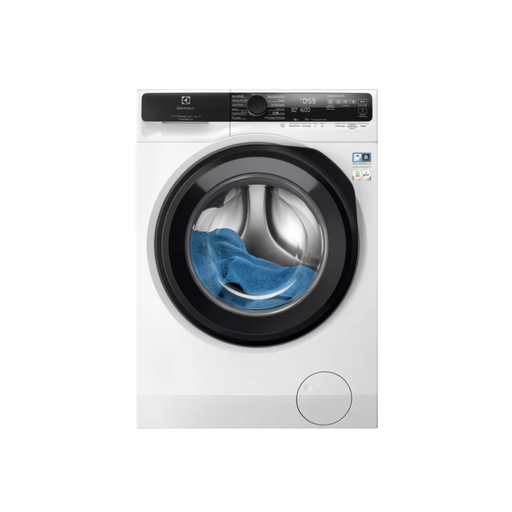 Image unavailable
Electrolux EW7FI259160V SteamCare SmartSelect, 9 kg front-loading washing machine
Worth considering if your usual loads call for a 9 kg capacity. The title lists a spin speed of 1,600 rpm and a connected feature; check the energy label and durability index for the exact model before deciding.
View on Joybuy
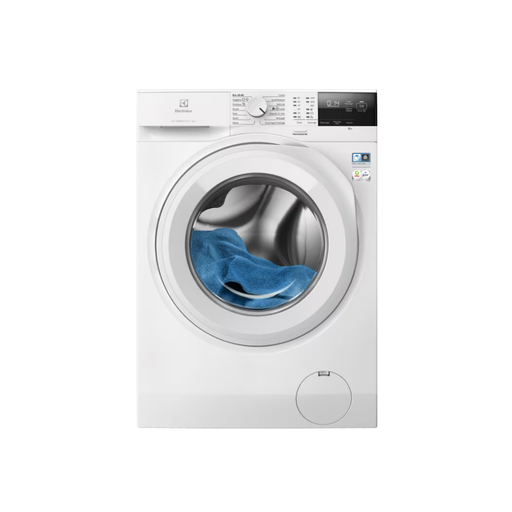 Image unavailable
Electrolux EW6FI4805AW Steam Hygiene SensiCare, 8 kg white washing machine
Compare it with your usual loads if you’re considering an 8 kg drum. This front-loading model is listed at 1,400 rpm; check the energy label and durability index for this exact model.
View on Joybuy
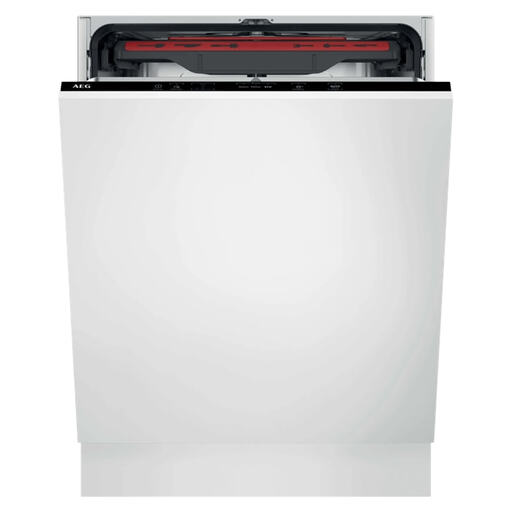 Image unavailable
AEG FSB34707Z, fully integrated dishwasher, 14 place settings, C rating
Worth considering as a replacement for an integrated appliance if 14 place settings suit your needs. The title lists a C rating; check the model’s energy label and the exact dimensions of the housing before buying.
View on Joybuy
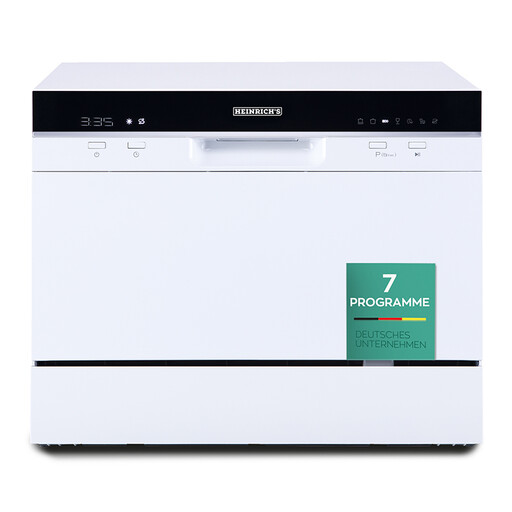 Image unavailable
Heinrich's HTG 8840 Weiss, tabletop dishwasher, 6 place settings
Worth a look if your dishwashing needs suit six place settings and you’re after a tabletop model. The title lists a D rating, seven programmes and 47 dB; check the energy label, available space and required connections.
View on Joybuy
 Image unavailable
Sonlu CC-520WE, 444 L frost-free fridge freezer
Compare it if you’re looking for 444 L of total storage space for your household. The title lists an E rating and 40 dB; check the label for annual energy consumption and the usable capacity of each compartment.
View on Joybuy
Frequently asked questions
Can you work out your bill from a washing machine or dishwasher energy label?
No. The label is primarily for comparing appliances in the same category and with a suitable capacity. ADEME explains that the consumption figures are based on a reference cycle, often the Eco programme. Your bill also depends on how many cycles you run, your loads, the settings you choose and your tariff.
What should you compare before replacing a fridge or freezer?
Compare annual consumption in kWh with the usable capacity of the compartments you need. The energy rating and noise level can also help you decide, but appliances with different capacities may not suit the same needs.
Does the durability index apply to all household appliances?
No. In France, the DGCCRF says it has applied to televisions and washing machines since 2025. For a washing machine covered by the index, this score out of 10 gives information about repairability and reliability, among other things; it does not replace comparing energy consumption.
What should you do if the appliance delivered or installed isn’t what you expected?
If you bought the appliance from a business in France, check the legal guarantee of conformity and contact the seller with a description of the product and your proof of purchase. According to the Ministry of the Economy, this guarantee covers the product and, under the conditions set out, installation carried out by the seller or based on inadequate instructions.


