Households with an older fridge or freezer
A fridge or freezer runs continuously, ADEME reminds us. Before considering a replacement, think about how much space you really need: a larger model or one with extra features could use more energy.


Start by looking at appliances that run continuously, such as your fridge and freezer, followed by those you use often, particularly for washing or drying. Replacing an appliance is not always the most cost-effective option: ADEME points out that the size and features of a newer model can affect how much energy it uses. Compare appliances with similar uses and capacities, and if yours has broken down but still meets your needs, ask for a repair quote too.
A fridge or freezer runs continuously, ADEME reminds us. Before considering a replacement, think about how much space you really need: a larger model or one with extra features could use more energy.
To choose between comparable appliances, check their capacity and the figures on the label for the reference programme. Depending on the category, programme duration, noise and water use also matter in everyday use.
If the appliance still meets your needs, a diagnosis and quote will help you compare repair with replacement. In France, the Ministry responsible for ecology explains that, where applicable, the repair bonus is deducted from the bill by a certified repairer.
Start with how you use your current appliance, then compare replacements of the same type and a suitable capacity. If it has broken down, it’s also worth looking into a repair.
| Priority | What to check | What suits my needs |
|---|---|---|
| Use and capacity | Check whether the appliance runs continuously or how often you use it. For refrigeration, compare the annual energy use shown for appliances of a similar type and capacity. ADEME highlights how size and features can affect energy use. | My fridge or freezer runs all the time: do I need all that capacity before choosing a replacement ? |
| Energy and water | For washing machines and dishwashers, ADEME and the European Commission show energy use in kWh per 100 cycles and water use in litres per reference cycle. Compare appliances of the same type and capacity, and check which programme the figures relate to. | I want to compare the figures shown without assuming they apply to every programme I use. |
| Capacity and duration | Check the usable capacity and the duration of the reference programme. European labels for washing machines and dishwashers also show noise levels. Choose according to where the appliance will go and when you’ll use it. | My usual loads need to fit in the appliance, and the cycle duration needs to work with my household routine. |
| Repair | If the appliance still suits your needs, ask for a diagnosis and quote. In France, check with a certified repairer whether the product and repair qualify for the repair bonus described by the Ministry responsible for ecology. | If the fault is limited, I’d rather compare the cost of repairing it with buying an appliance of equivalent capacity before deciding. |
Age alone doesn’t tell you how much energy an appliance uses in your home. For refrigeration, ADEME notes that a recent model that’s too large or has extra features could also use more energy.
Before prioritising a new purchase, consider how you use the appliance, how much capacity you need and the reference figures for a comparable replacement.
For washing machines and dishwashers, label figures are based on reference cycles. The European Commission explains that dishwasher measurements are based on the eco programme at rated capacity, so they don’t describe every type of use.
Compare kWh per 100 cycles, litres per cycle, capacity and the duration of the relevant programme for appliances in the same category.
A large capacity is only useful if it suits your household’s loads. ADEME recommends checking that it matches your needs.
Start with your usual loads, then compare appliances with similar capacities.
A specific fault can sometimes be fixed without replacing an appliance that still meets your needs. In France, the repair bonus described by the Ministry responsible for ecology generally requires you to use a certified repairer and meet the scheme’s conditions.
Ask for a quote, check whether the repair is eligible, then compare the cost with replacing the appliance with one of the same type and equivalent capacity.
This selection includes fridge-freezers, washing machines and a tabletop dishwasher. Choose a capacity that suits how you use the appliance. To compare energy use, check the model’s label and the measurement conditions for its category.
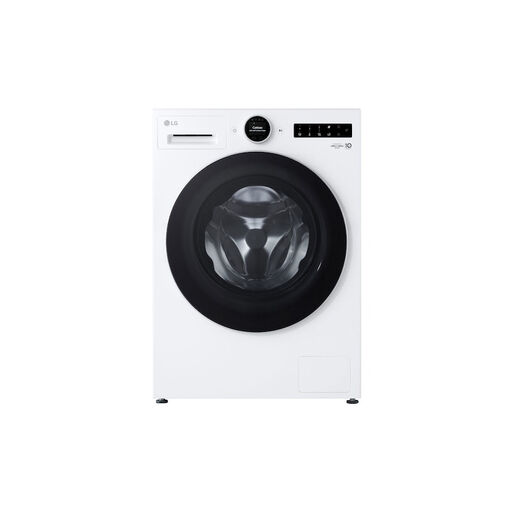 Image unavailable
Worth considering if your usual loads call for an 11 kg capacity. To compare it with another washing machine, check the label for energy use and the duration of the reference programme.
 Image unavailable
Consider whether the 10 kg capacity suits your usual washing loads. Check the label to compare energy use, water consumption and the reference cycle duration with those of appliances of a similar capacity.
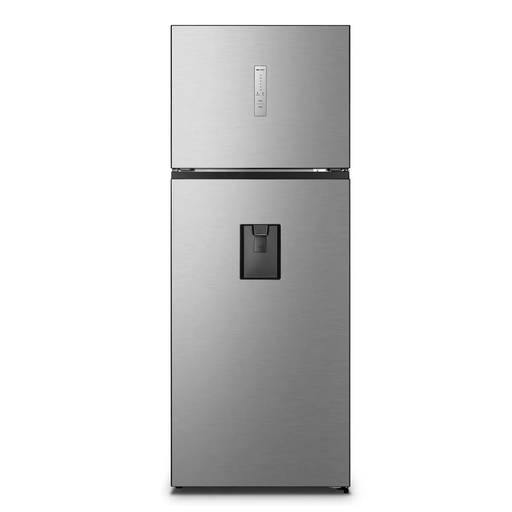 Image unavailable
Consider whether this 467 L capacity is right for your refrigeration needs. Check the annual energy use on the label and compare it with fridge-freezers of a similar capacity.
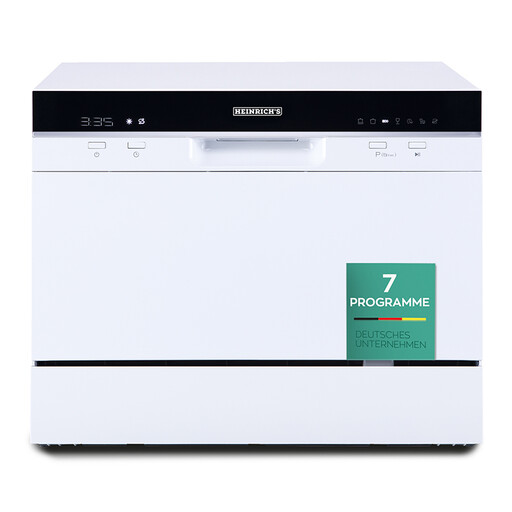 Image unavailable
Consider whether the tabletop design and capacity of 6 place settings suit your available space and usual washing-up. The product name lists 7 programmes and 47 dB; check the label for energy use, water consumption and the duration of the reference programme. If you plan to connect it to a tap, confirm that it’s compatible before buying.
 Image unavailable
Before choosing this 467 L model, check that its capacity suits your household and the space available. To assess its energy use, check the label and compare its annual figure with those of similar fridge-freezers with a similar capacity.
The rating alone isn’t enough to choose between appliances in different categories or with different capacities. First compare appliances designed for the same use and with similar capacities, then check the figures and conditions on the label. For dishwashers, the European Commission bases measurements on the eco programme and rated capacity.
It’s an energy figure based on 100 reference cycles, not a prediction of exactly how much energy you’ll use. ADEME also shows water use in litres per cycle. For dishwashers, European regulations specify that measurements are based on the eco programme at rated capacity.
Before buying, check whether the programme duration fits your usual schedule. The European Commission says the dishwasher label shows this alongside energy use, water consumption, capacity and noise, so you can assess the reference programme as a whole.
No: use the indicators specific to each category. The European Commission explains that tumble dryer label figures are based on the eco programme. For an oven, energy use per cycle is shown separately for conventional and fan-assisted modes.
Yes. If the appliance still meets your needs, ask for a diagnosis and quote before deciding. In France, the Ministry responsible for ecology says that the repair bonus is deducted from the bill when the repair meets the scheme’s conditions and is carried out by a certified repairer. Check whether the product and fault are eligible.