What should you look for?
After a breakdown or wear and tear, the first question is whether the appliance can still be used after a repair. If you need a replacement, compare appliances that meet the same needs before looking at their ratings and terms of sale.
Have it repaired
Consider this if: a professional can diagnose the appliance and the repair is still feasible.
Bear in mind: you’ll need to check whether a part is available and whether the repair qualifies for the Repair Bonus in your particular case. ecosystem only offers the bonus for work that meets the scheme’s conditions.
Replace it with a new appliance
Consider this if: a repair isn’t suitable and you can choose an appliance with a capacity that matches your needs.
Bear in mind: where a durability rating is available, it doesn’t replace comparing energy use and the features you need at home.
Choose a second-hand or refurbished appliance
Consider this if: the information provided about the item allows you to judge its condition and whether it suits your needs.
Bear in mind: according to the DGCCRF, a private sale does not offer the same legal guarantee of conformity as buying from a business.
| Criteria |
What to check |
Who is it important to? |
| Whether it can be repaired |
Check the warranties, then ask for a diagnosis and find out whether a part or repairer is available. For the Repair Bonus, check the conditions with a QualiRépar professional, as advised by ecosystem. |
When my appliance breaks down, I want to know if it can keep doing its job before choosing another one; around 36% of consumers would make repairs their priority. |
| Durability of a new appliance |
For a washing machine or television, check the durability rating out of 10 and the details on repairability and reliability. The government departments responsible for the environment specify that this rating applies to these two categories. |
If I need to buy new, I’d rather compare the durability of different models than rely on their descriptions alone; around 29% of consumers would put this first. |
| Running costs and capacity |
Compare capacities that suit your needs and the energy-label figures on a like-for-like basis, including the stated consumption for reference cycles. ADEME points out that an appliance’s features affect how it is used day to day. |
I want an appliance that’s big enough for my needs, without overlooking how much electricity and water it will use; this would be the priority for around 21% of consumers. |
| Condition and seller |
For a second-hand or refurbished appliance, ask about the condition and specifications of the item, then check whether the seller is a business. The DGCCRF distinguishes these types of goods and the protections that apply to their sale. |
Before choosing an appliance that’s already been used, I need to understand what has been checked and who I’m buying it from; around 14% of consumers would prioritise this. |
Brands worth knowing
There are no brands to feature in this section.
Washing machines to replace your old one
These washing machines are new-appliance replacement options. Compare their capacity and features against your needs, then check the model’s durability rating and spare-parts information before choosing.
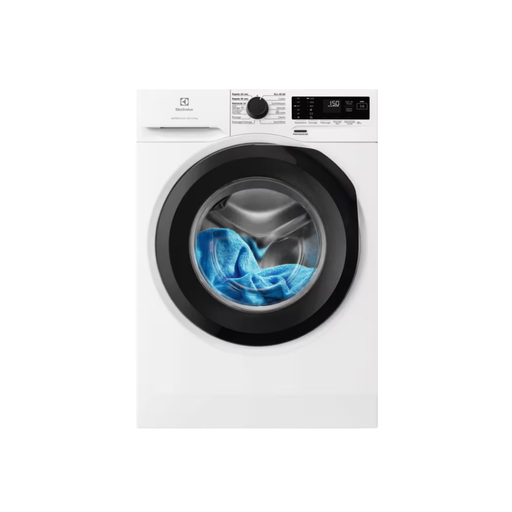 Image unavailable
Electrolux EWF1410N2, 10 kg front-loading washing machine
Worth considering if you need a 10 kg capacity for your laundry loads.
The product description mentions TimeSave and an Inverter motor. Check that the capacity suits your needs, then look up the model’s durability rating and spare-parts information.
View on Joybuy
 Image unavailable
Electrolux EW7FI259160V, 9 kg front-loading washing machine
Worth considering if a 9 kg capacity suits the amount of laundry you wash.
The product description lists a spin speed of 1,600 rpm, along with SteamCare, SmartSelect and connected features. Check the programmes available on the version on offer and look up its durability rating before comparing models.
View on Joybuy
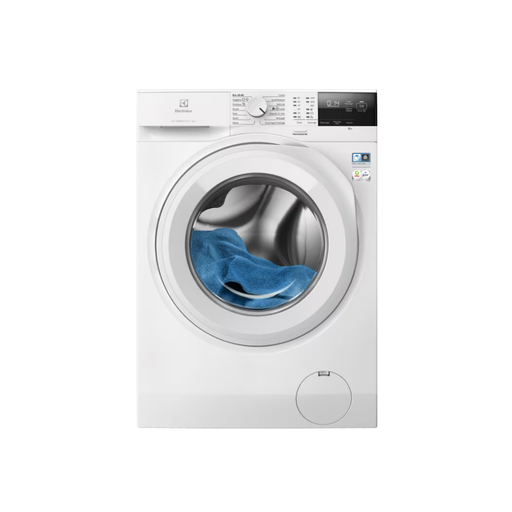 Image unavailable
Electrolux EW6FI4805AW, 8 kg front-loading washing machine
Worth considering if an 8 kg capacity meets your needs.
The product description lists a spin speed of 1,400 rpm and SensiCare and Steam Hygiene features, but their names alone don’t establish any health benefit. Also check the durability rating and the terms of the offer’s warranty.
View on Joybuy
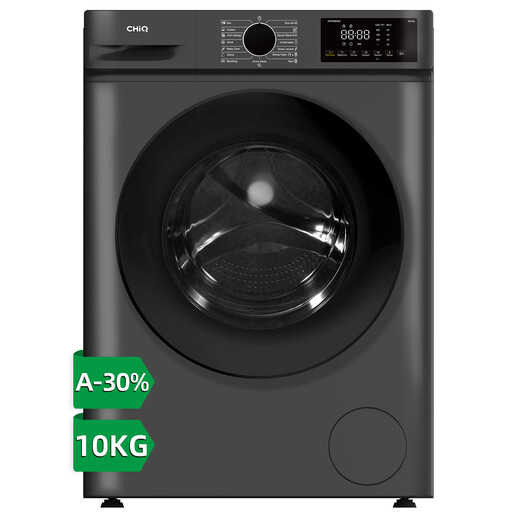 Image unavailable
CHiQ JW105883G, 10 kg front-loading washing machine, dark grey
Worth considering if you’re looking for a 10 kg capacity and a range of wash programmes.
The product description lists 16 programmes, steam and a spin speed of 1,400 rpm. To compare running costs and durability, check the energy label figures, the durability rating and the model’s spare-parts information.
View on Joybuy
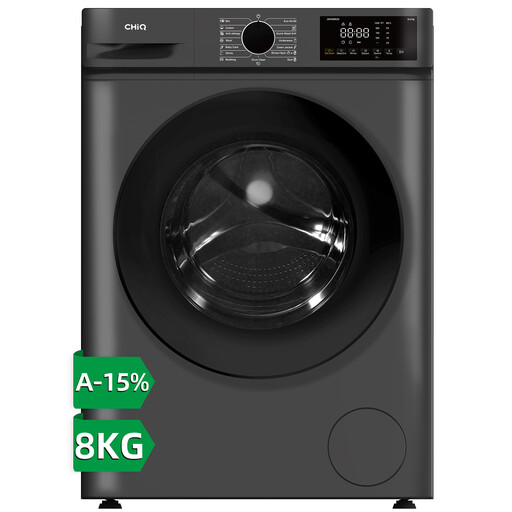 Image unavailable
CHiQ JW85883G, 8 kg front-loading washing machine, dark grey
Worth considering if an 8 kg capacity suits your needs and the space available.
The product description lists 16 programmes, steam and a spin speed of 1,400 rpm. Check the installation dimensions, then compare the energy label figures and the model’s durability rating.
View on Joybuy
Frequently asked questions
Does a breakdown mean I need to replace the appliance?
No. A breakdown alone isn’t enough to tell you whether an appliance needs replacing. Check which warranties apply and, if possible, ask for a diagnosis. Whether a part and a repairer are available will help you decide if a repair is an option.
Which appliances have a durability rating in France?
According to the government departments responsible for the environment, durability ratings have applied to televisions since January 2025 and washing machines since April 2025. For other covered categories, including dishwashers and vacuum cleaners, check the relevant repairability index instead.
Does the Repair Bonus cover every breakdown?
No. ecosystem reserves it, in particular, for household appliances that are no longer covered by a legal or commercial warranty, and for eligible breakdowns and repairs carried out by a QualiRépar professional. Exclusions to check include purely cosmetic damage and faults caused by an external factor.
What’s the difference between a second-hand and a refurbished appliance?
According to the DGCCRF, a refurbished appliance is a second-hand item whose functions have been tested. Even so, check the condition and specifications of the item being sold. In France, the legal guarantee of conformity applies to second-hand and refurbished goods sold by a business to a private individual, but not to private sales.
How do I compare the energy use of two appliances?
First compare appliances with similar capacities and uses, then check their energy-label figures. Depending on the category, ADEME says energy use may be shown for reference cycles or over a year, so check the unit before comparing figures.


