What to consider
ADEME recommends buying only the appliances you genuinely need and considering repair when it makes sense. Start with how you use the appliance and its condition, then compare models suited to your household’s needs using consistent consumption figures.
| What matters |
What to check |
Who is it for? |
| Prioritising a fridge or freezer |
Note the capacity and, if known, the energy consumption of your current appliance. Then compare models with a suitable capacity and installation type. |
If my fridge runs continuously, I want to know whether replacing it is worthwhile without choosing one that’s too large. Around 26% of consumers prioritise refrigeration. |
| Avoiding an unnecessary replacement |
Check the appliance’s condition and whether it still meets your needs. If it has a fault, compare a repair quote and any eligibility for the repair support scheme with the cost of buying new. |
If my appliance still suits me, I’d rather look into maintenance or a possible repair before buying. Around 21% of consumers prioritise keeping or repairing their appliances. |
| Choosing a washing machine to suit your loads |
Check the capacity, kWh per 100 cycles and water consumption per cycle, and compare them with your usual laundry loads. |
For my laundry, I’m looking for a capacity that suits my usual loads and consumption figures I can compare across models. Around 21% of consumers put laundry at the top of their list of concerns. |
| Assessing whether you need a tumble dryer |
Consider how often you use a tumble dryer, its capacity and energy consumption, and the duration of the reference programme. Check which energy-label scale is being used. |
If I often dry clothes in a tumble dryer, I want to check whether this usage justifies the appliance and its energy consumption. Around 16% of consumers prioritise drying laundry. |
| Comparing dishwashers |
Check how many place settings you need, the kWh per 100 cycles, litres per cycle, duration of the eco programme and noise level. |
For my dishes, I’m looking for an appliance with a capacity and programmes that suit my usual needs. Around 16% of consumers put washing dishes at the top of their list. |
Appliances available on Joybuy
These models cover refrigeration, laundry, dishwashing and drying. They can help you compare options if you’re already considering buying an appliance.
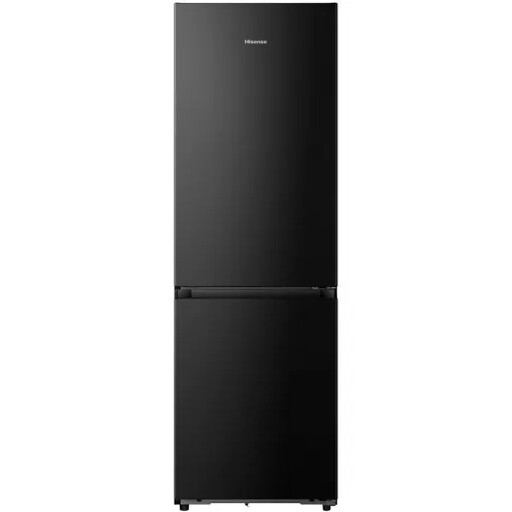 Image unavailable
Hisense RB5K330GSFC, 330 l fridge freezer
Worth considering if you’re comparing appliances that run continuously and are looking for a 330 l capacity.
C energy rating; stated energy consumption: 165 kWh/year. Freestanding; freezer at the bottom; frost-free system.
View on Joybuy
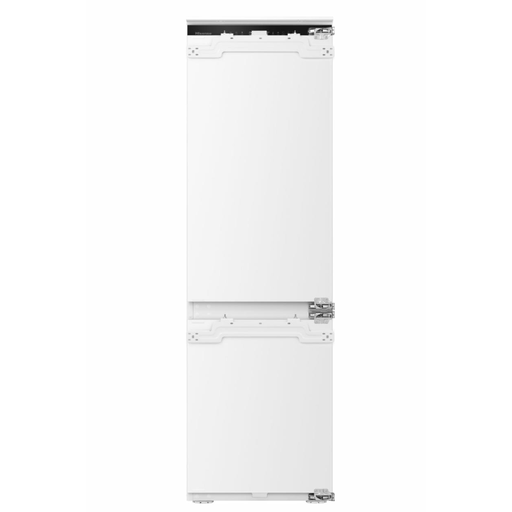 Image unavailable
Hisense RB3B250SAWC, 252 l built-in fridge freezer
Worth considering if you need a built-in fridge freezer and its dimensions suit your kitchen unit.
C energy rating; stated energy consumption: 150 kWh/year. Capacity: 252 l; frost-free system; reversible door.
It needs to be installed in a suitable kitchen unit.
View on Joybuy
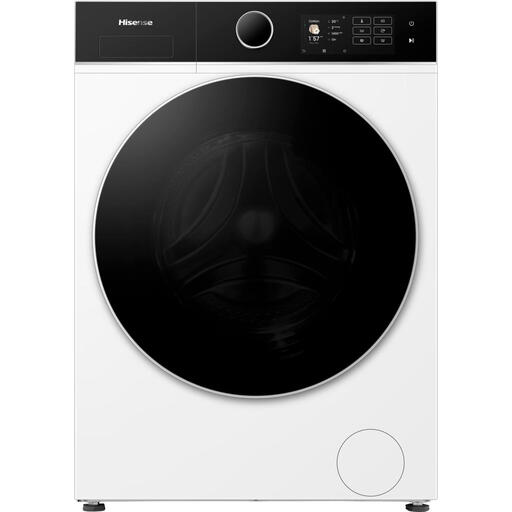 Image unavailable
Hisense WF5I8043BWF, 8 kg front-loading washing machine
Worth considering if you’re comparing washing machines based on your usual laundry loads and energy consumption per cycle.
A energy rating; 33 kWh per 100 cycles; 38 l of water per cycle. Capacity: 8 kg; maximum spin speed: 1,400 rpm; depth: 47 cm.
View on Joybuy
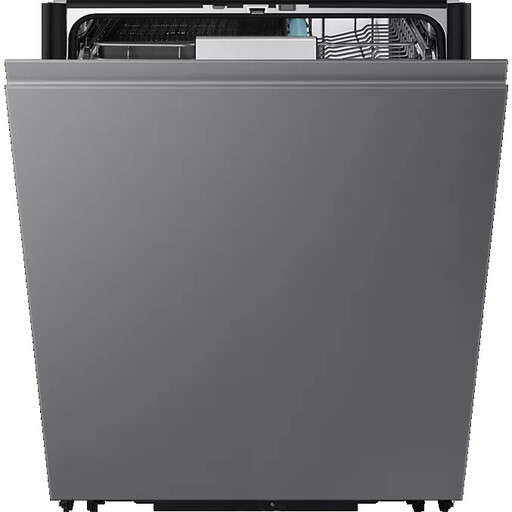 Image unavailable
Samsung DW90H79JAI0U1 Bespoke AI, 14-place-setting built-in dishwasher
Worth considering if you’re looking for a built-in dishwasher with 14 place settings and comparing eco-cycle figures.
A energy rating; 54 kWh per 100 eco cycles; 9.4 l of water per eco cycle. Fully integrated appliance, to be installed in a suitable kitchen unit in line with the manufacturer’s instructions.
View on Joybuy
 Image unavailable
Hotpoint CHD84MWBSEE, 8 kg heat pump tumble dryer
Worth considering if how often your household dries clothes justifies an appliance of this capacity.
Heat pump; C energy rating; capacity: 8 kg.
View on Joybuy
Frequently asked questions
How can I compare a fridge’s energy consumption with a washing machine’s?
Don’t compare their energy-label figures as if they represent the same kind of use: refrigeration runs continuously, while washing depends on the number of cycles. To estimate costs for your household, calculate each appliance’s consumption over a comparable period and for a consistent pattern of use, then factor in the cost per kWh that applies to you.
Does the repair support scheme automatically apply to my appliance?
No. France’s Ministry for Ecological Transition says eligibility depends on the product, the fault and the scheme’s terms. Check your appliance’s eligibility with an approved repairer and ask for a quote before making a decision.
Can I compare an old tumble dryer’s A+++ rating with a current model’s A rating?
Not as though both ratings use the same scale. Since 1 July 2025, the European Commission says tumble dryer labels have used the A to G scale. Check the energy consumption figures and their reference conditions too.
What should I check before installing a new appliance?
Check the dimensions and installation type of the model you’ve chosen. For a washing machine or dishwasher, make sure the capacity and programmes suit your usual needs rather than assuming every cycle will match the average figure shown.
What happens to my old appliance when I buy a new one?
In France, when you buy a new appliance, the retailer must offer to take back the old one, including for online purchases, under the so-called ‘one-for-one’ take-back scheme. Check the collection arrangements when you place your order.


