Which factors should come first?
To decide which appliance to look at first, consider how you use it and its condition, then compare models in the same category that offer the capacity you need. An annual figure for refrigeration, a figure per 100 washing cycles and a figure per cooking cycle are not directly comparable ways to rank these three types of appliance.
| Factor |
What to check before buying |
Who is this relevant to? |
| Continuous refrigeration |
Compare annual energy consumption in kWh and usable capacity across refrigeration appliances of a suitable type and size for your needs. |
If my fridge or freezer runs all the time and no longer has the capacity I need, I want to consider replacing it first; around 33% of consumers prioritise this need. |
| Washing cycles |
Match the capacity to your usual loads, then check the kWh per 100 cycles, water consumption per cycle and duration of the reference programme. |
When the laundry or washing-up piles up, I want to know whether the capacity and cycles being compared suit the way I use the appliance; around 27% of consumers put this need first. |
| Oven cooking |
Check the oven capacity and its energy consumption per cycle in the mode you use, such as conventional or fan-assisted cooking. |
If I use my oven regularly and already need to consider replacing it, I want to compare the cooking mode that matters to me; around 20% of consumers put this question first. |
| Maintenance or repair |
Ask for the cause of the problem to be identified and look into possible maintenance or repairs before choosing a new appliance. |
If performance has dropped but no fault has been confirmed, I’d rather find out what can be fixed before replacing the appliance; around 20% of consumers prioritise this. |
Brands worth considering
There are no brands to feature in this section.
Fridges, freezers and washing machines to consider
These Joybuy models relate to two decisions covered here: replacing a refrigeration appliance with a capacity that suits your household, or choosing a washing machine to handle your usual loads. Before comparing energy consumption figures, check the label for the exact model and make sure it will fit your installation requirements.
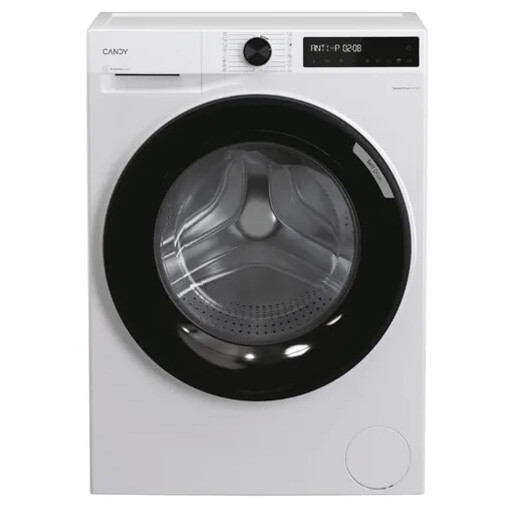 Image unavailable
Candy BR 411BL9-S, 11 kg front-loading washing machine
Worth considering if your usual loads call for an 11 kg capacity. Before comparing it with other washing machines, check the energy and water consumption figures on the exact model’s label, along with its applicable durability index.
View on Joybuy
 Image unavailable
Candy CFQQ5T817EPS, 467 L four-door fridge-freezer
Worth considering if a total capacity of 467 L suits your storage needs. The model name indicates frost-free operation and an E energy rating; check its annual energy consumption on the label and the dimensions required for installation.
View on Joybuy
 Image unavailable
Sonlu CC-520WE, 444 L fridge-freezer
Worth considering if you need a total capacity of 444 L. The model name lists frost-free operation, a noise level of 40 dB and an E energy rating; check the label, dimensions and required clearances before making a decision.
View on Joybuy
 Image unavailable
Candy TCA464TM4-S ProWash 500, 6 kg top-loading washing machine
Worth considering if a 6 kg capacity suits your laundry loads. The model name lists 1,400 rpm, 17 programmes and a B energy rating; check the exact model’s label for the basis of the figures per 100 cycles and its durability index.
View on Joybuy
 Image unavailable
Haier HTW5618ENMG, 360 L three-door fridge-freezer
Worth considering if a total capacity of 360 L meets your storage needs. The model name indicates frost-free operation and an E energy rating; check its annual energy consumption on the label and make sure you have enough space for installation.
View on Joybuy
Frequently asked questions
Should I replace my fridge, washing machine or oven first?
There’s no one-size-fits-all order. Look first at the appliance you use continuously or very frequently, and only replace it if there’s a genuine need. ADEME points out that refrigeration appliances run continuously; for washing and cooking, how often you use the appliance and its condition also affect the decision.
Is the energy rating enough to compare two appliances?
No. Consider it alongside the relevant figures and capacity for appliances in the same category. The European Commission says that refrigeration labels show annual energy consumption and capacity, washing machine labels give figures based on reference cycles, and oven labels show consumption per cycle. The QR code on the label links to the model’s product information sheet in EPREL.
Does the energy consumption shown for a washing machine apply to every programme?
No. According to the European Commission, reference figures for washing machines relate to the ‘eco 40-60’ programme. They let you compare models on the same basis, but don’t automatically reflect the energy consumption of other programmes you use.
Which index should I check for a new washing machine or dishwasher?
In France, check the durability index for applicable new washing machines and the repairability index for applicable dishwashers. ADEME says the durability requirement has also applied to washing machines since April 2025. These indices complement your comparison of how you use the appliance and its energy label.
Can maintenance delay the need for a replacement?
Yes, if suitable maintenance fixes the problem and the appliance still meets your needs. ADEME suggests descaling a washing machine, defrosting a fridge and cleaning filters. However, have a fault or safety issue diagnosed rather than assuming that basic maintenance will be enough.


