What should you check before replacing an appliance?
Start with the function and capacity you need, then compare consumption using the figures provided for each category. Finally, consider whether the condition of your current appliance warrants replacing it.
| What matters |
What to check |
Who this is for |
| Continuous cooling |
Compare kWh per year, compartment capacity and noise levels for fridges or freezers with a similar function. |
For an appliance that stays on day and night, I want to avoid paying to cool unnecessary space without running out of room; around 27% of consumers prioritise this cooling-related need. |
| Frequent washing and dishwashing |
For a suitable capacity, check kWh per 100 reference cycles and litres of water per cycle. Also check the programme duration. |
If I run cycles frequently, I want to keep both water and electricity use in check without choosing an unnecessarily large capacity. Around 33% of consumers put this need first. |
| Drying or cooking |
For a tumble dryer, check the installation requirements and the figures on its label. For an oven, compare its capacity and kWh per cycle for the relevant cooking mode. |
Before replacing my tumble dryer or oven, I want an appliance that suits both the space available and the way I use it; around 20% of consumers prioritise this fit. |
| Repair or replace |
Have the fault diagnosed, check whether the appliance can be repaired and compare the energy use of any new model with an equivalent capacity. |
If my appliance still does the job, I want to know whether repairing it could avoid replacing it too soon. Around 20% of consumers put this decision first. |
Brands to consider
There are no brands to feature in this section.
Appliances to compare on Joybuy
These appliances are intended for replacing a washing machine, fridge-freezer, compact dishwasher or tumble dryer. Compare each model with appliances that have the same function and a suitable capacity. This selection alone can’t tell you whether repairing or replacing is the right choice.
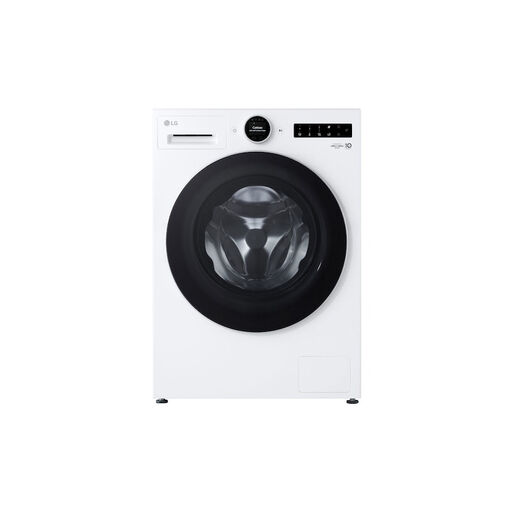 Image unavailable
LG F4WX851Y washing machine, 11 kg, white, Class A
Worth a look if you wash large loads: check that the 11 kg capacity suits the amount of laundry you usually collect before putting on a wash.
To compare its energy use with another washing machine, check the figures on its label and the programme they refer to.
View on Joybuy
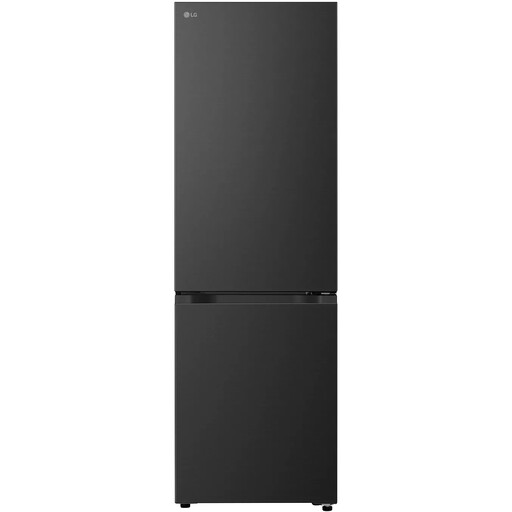 Image unavailable
LG GBBS312AEV fridge-freezer, 333 L, No Frost, black, Class A
If you’re replacing an appliance that runs continuously, check that the 333 L total capacity and the split between fridge and freezer space suit your needs.
Compare its annual energy consumption and noise level with those of appliances with a similar capacity and function.
View on Joybuy
 Image unavailable
Electrolux EW7FI259160V washing machine, 9 kg, 1 600 tr/min
If you regularly wash loads suited to a 9 kg capacity, compare the energy use for the reference programme with that of other washing machines that meet your needs.
Before choosing this model to suit your laundry routine, check how long the programme you’re interested in takes.
View on Joybuy
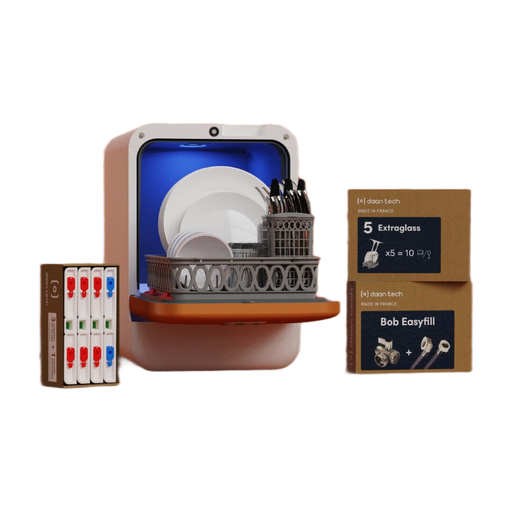 Image unavailable
Bob The Eco-Compact dishwasher, All-Options pack, white and copper
Worth considering if you have a small amount of washing up and limited space, provided its capacity and connections suit the way you’ll use it.
Before comparing its per-cycle figures with those of a standard dishwasher, check the reference programme and the label information that applies to this model.
View on Joybuy
 Image unavailable
Hotpoint CHD84MWBSEE heat pump tumble dryer, 8 kg, white, Class C
If you’re replacing a tumble dryer, check that its 8 kg capacity, where it will go and how it drains are all suitable for your home.
The Class C rating in the product name isn’t enough to compare energy use. Check the figure and reference conditions on the model’s label.
View on Joybuy
Frequently asked questions
Which appliances can you compare using an energy label?
In France, ADEME lists fridges, washing machines, dishwashers, tumble dryers, ovens and cooker hoods among the appliances whose energy labels are available in shops and online. Compare models in the same category and with a suitable capacity: the figures aren’t all measured on the same basis.
Is the energy rating letter enough to make a choice?
No: also look at the figures for the appliance and how you’ll use it. ADEME lists kWh per 100 cycles and litres per cycle for washing machines and dishwashers. For fridges and freezers, the European Commission provides annual energy consumption, capacity and noise levels.
Do hobs have a regulated energy label?
No: the European Commission states that there are no energy-labelling requirements for domestic hobs. So don’t try to compare their energy ratings with those of ovens: these are different categories with different labelling rules.
How should you consider a washing machine’s lifespan?
First, check whether your current appliance can be repaired and will continue to meet your needs. For a new washing machine covered by the relevant French rules, the durability index provides additional information about repairability and reliability. It doesn’t replace comparing the figures on the energy label.


