Which appliance should you look at first?
Start with the appliance that has the biggest impact on your household’s usage, then compare it with a replacement that has the same function and a similar capacity. According to ADEME, the label shows refrigeration energy use over a year and the consumption of washing appliances per 100 cycles. These units should not be compared as if they represented the same usage.
| Concern |
What to check before buying |
Who it’s for |
| Fridge or fridge-freezer that runs continuously |
Compare the kWh/year and usable capacity of appliances of the same type. Check that the new capacity meets your storage needs. |
If my fridge runs day and night, I want to know whether it should take priority over an appliance used in cycles. Around 33% of consumers would prioritise this need. |
| Frequently used washing machine |
Compare the kWh/100 cycles Eco 40-60, litres per cycle and capacity in kg with your usual loads. |
When laundry piles up, I want to fill the drum without choosing an unnecessarily large capacity. Around 27% of consumers would prioritise this need. |
| Standalone freezer |
Compare the kWh/year and usable capacity of freezers suited to storing a similar quantity of frozen food. |
If I regularly store a lot of frozen food, I want to look at the appliance that stays switched on to keep it frozen. Around 20% of consumers would put this need first. |
| Regularly used dishwasher |
Check the kWh/100 cycles, litres per cycle, number of place settings and duration of the Eco programme. |
When I run the dishwasher frequently, I want to consider electricity and water use, as well as how much I can load. Around 20% of consumers would prioritise this need. |
Joybuy appliances for refrigeration and laundry
These models suit two situations: replacing a fridge-freezer or choosing a washing machine to suit your usual loads. Before comparing their energy use, check the capacity you need, the label for the exact model and any installation requirements.
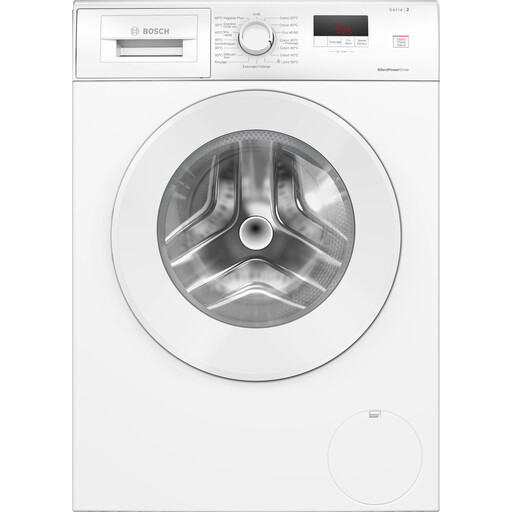 Image unavailable
Bosch WGE02407FR, 7 kg front-loading washing machine
Worth considering if your usual loads suit a 7 kg drum.
Spin speed listed as 1,400 rpm; energy rating A. Check the energy use on the label for the exact model and make sure your home has the required connections.
View on Joybuy
 Image unavailable
LG GBBSJ1CCSW, white 333 L fridge-freezer
Worth considering as a replacement fridge-freezer if a total capacity of 333 L suits your storage needs.
Energy rating C listed. Compare the kWh/year with fridge-freezers of a similar capacity and check the clearance needed for installation.
View on Joybuy
 Image unavailable
Haier T Series 7 THASN276TM6-S, 7 kg washing machine
Worth considering if you want a top-loading machine and your loads suit a 7 kg capacity.
Spin speed listed as 1,200 rpm; energy rating A. Check that a top-loading machine fits the space you have and consult the label to compare cycles.
View on Joybuy
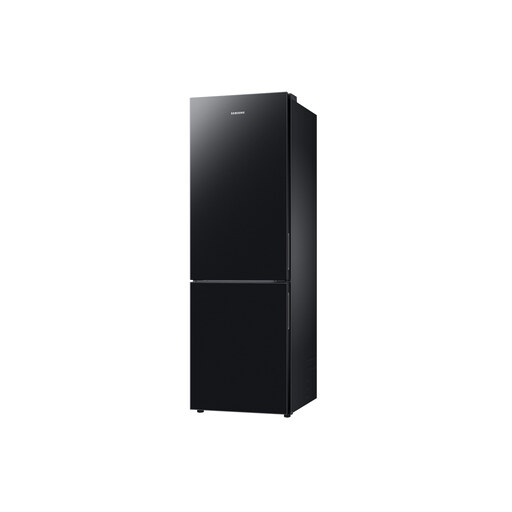 Image unavailable
Samsung RB33B612EBN, black 344 L fridge-freezer
Worth considering if you’re replacing a fridge-freezer and need a total capacity of 344 L.
Energy rating E listed. Compare the kWh/year with fridge-freezers of a similar capacity and check the manual for the clearance needed for ventilation.
View on Joybuy
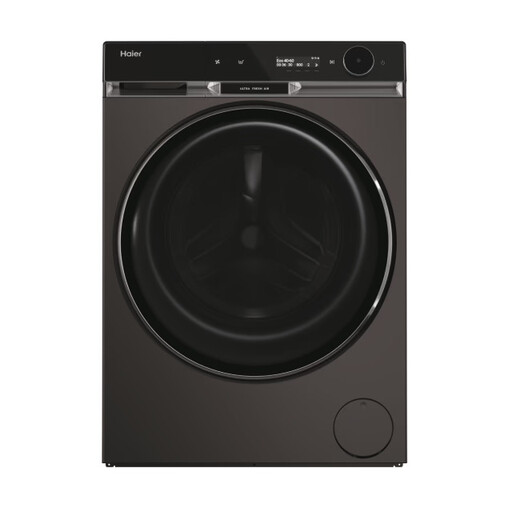 Image unavailable
Haier X Series 11 HW100-BD14397PGU1, 10 kg washing machine
Worth considering if you regularly wash large enough loads to make use of a 10 kg capacity.
Spin speed listed as 1,400 rpm; energy rating A. If your loads are usually smaller, compare machines with a more suitable capacity too, and check the kWh per 100 cycles on their labels.
View on Joybuy
Frequently asked questions
How do I know which appliance to replace first?
Start by checking the energy use of your current appliance and how you use it, then compare it with a replacement that has the same function and a similar size. ADEME points out that refrigeration appliances run continuously, but that alone isn’t enough to justify replacing your fridge before a heavily used washing appliance.
Do the kWh figures on the label guarantee a lower bill?
No. The kWh figures on the label are for comparing appliances under standard conditions; they don’t guarantee how much energy an appliance will use in your home. For refrigeration, check the kWh/year; for washing machines and dishwashers, check the kWh/100 cycles. How often you use the appliance and which programme you choose still matter.
Where can I find information about a specific model?
Check its energy label and product record in EPREL, using the label’s QR code if you prefer. ADEME explains how the label links to the registered information, and the European Commission describes EPREL as a public tool for finding details of the models covered.
Do the figures on the label relate to the Eco programme?
For washing machines, the energy use shown relates to the Eco 40-60 programme. For dishwashers, the Eco programme is used as the reference for the figures shown. These figures are useful for comparing models, but check that the programme suits what you usually wash and take its duration into account.
What should I do with my old appliance if I replace it?
Waste electrical equipment can be taken to an appropriate collection point instead of being put out with general rubbish. In France, the ministry responsible for the ecological transition lists options including collection points and recycling centres, returning the appliance to a retailer, or giving it to a social and solidarity economy organisation. Check the arrangements at your chosen location.


