You’re replacing a washing machine
You want to factor in repairability and reliability, without losing sight of the capacity, energy use and noise levels that suit your household.


In France, the ministry responsible for the economy says that front-loading and top-loading washing machines are covered by the durability rating, while dishwashers and vacuum cleaners are covered by the repairability rating. When choosing a replacement, look at the rating breakdown, access to spare parts and features suited to the way you use the appliance. If your current appliance has broken down, a diagnosis can also help you decide whether it needs replacing.
You want to factor in repairability and reliability, without losing sight of the capacity, energy use and noise levels that suit your household.
You want to consider how easy it is to repair, while choosing a capacity and features that work for your kitchen.
Whether you’re considering a corded, cordless or robot model, it’s worth looking beyond the overall rating: documentation, ease of dismantling and access to spare parts all matter too.
Start with the rating that applies to the product category, then compare appliances that meet the same needs. For washing machines and dishwashers, the energy label provides separate information about how an appliance performs in use, as ADEME points out.
| Criteria | What to check | What matters to shoppers |
|---|---|---|
| Applicable rating | Identify the exact product category, then check the rating and its breakdown: durability for a front-loading or top-loading washing machine, and repairability for a dishwasher or vacuum cleaner. | I want to avoid comparing two ratings based on different criteria. Around 31% of consumers would put choosing the right rating at the top of their list of concerns. |
| Everyday use | For a washing machine or dishwasher, compare capacity, energy use and noise levels on the energy label, based on how you’ll use it. | If my usual loads or available space set certain limits, choosing an appliance that suits my household matters just as much as its rating. Around 25% of consumers would prioritise how well it suits their needs. |
| Spare parts and servicing | Check the documentation, how easily the appliance can be dismantled, and model-specific information on spare parts, including their availability and accessibility. | I want to know whether I’ll be able to get a part needed for a future repair, and who can carry it out. Around 25% of consumers would put this question first. |
| Repair before replacement | Ask for a clear diagnosis of the current appliance and check whether the relevant part is available and a repair is feasible. | Before ordering a new appliance, I’d rather find out whether my current one could still be used after a repair. Around 19% of consumers would prioritise this decision. |
In France, the durability rating for front-loading and top-loading washing machines includes reliability criteria as well as repairability. The two ratings therefore don’t describe exactly the same things.
When choosing a new washing machine, check the durability rating breakdown and compare models that meet similar needs.
Repairability and durability ratings don’t replace the energy label for washing machines and dishwashers, which provides separate information about how they perform in use.
Before choosing between models, check the capacity you need, energy use and noise level.
A poorly suited capacity or bothersome noise can still be an everyday drawback, even if the rating meets your expectations.
The DGCCRF distinguishes between availability conditions for different product categories and parts. Access may also depend on who carries out the repair.
For the model you’re considering, check which part you need, how long it’s stated to be available for, and how to obtain it.
Finding a fault doesn’t necessarily mean a repair is impossible. Whether you can get the part and have the repair carried out can affect your decision.
Ask for a diagnosis before replacing the appliance. If you’re considering a certified repairer, check whether the repair meets the conditions for the Repair Bonus outlined by ADEME.
These dishwashers cater to different capacity and installation needs. Before choosing, compare each model’s performance in use with its repairability rating and breakdown, as well as information about its spare parts.
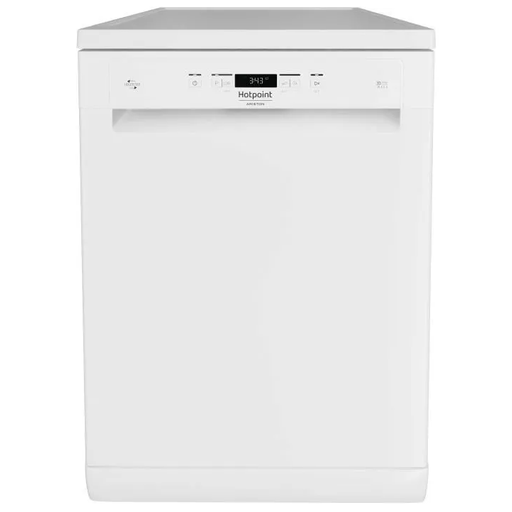 Image unavailable
Worth considering if you need space for 14 place settings and have room for a 60 cm-wide appliance.
The model name indicates a noise level of 41 dB and an energy rating of C. Also check its repairability rating breakdown and information about spare parts.
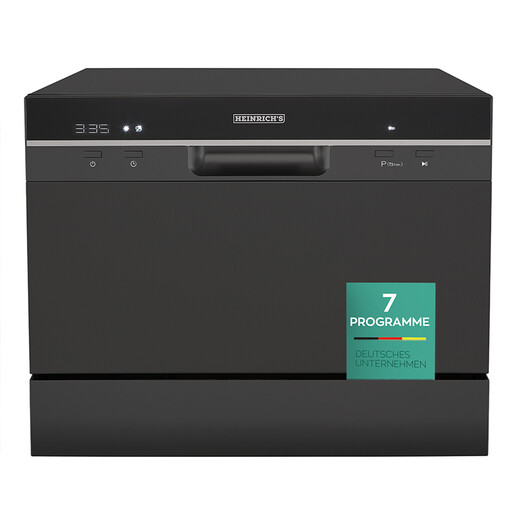 Image unavailable
Its tabletop design and capacity for 6 place settings may suit you if you’re looking for a compact dishwasher. Check that you have enough space and the necessary connections.
The model name indicates a noise level of 47 dB and an energy rating of D. Also check the repairability rating breakdown and how to access spare parts.
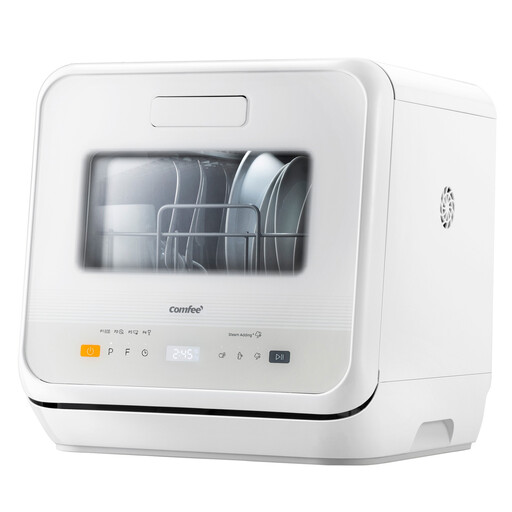 Image unavailable
Consider this model if you’re looking for a countertop design with an integrated tank. Check that it’ll work in your kitchen.
The model name indicates an energy rating of D. Also check water use per cycle, noise level, the repairability rating breakdown and access to spare parts.
In France, check the durability rating for a household front-loading or top-loading washing machine, and the repairability rating for a household dishwasher or a corded, cordless or robot vacuum cleaner. The ministry responsible for the economy distinguishes between these categories. Then check the breakdown of the rating for the model you’re considering.
No. On its own, a rating doesn’t tell you whether an appliance is right for the way you use it. For a washing machine or dishwasher, also compare capacity, energy use and noise levels on the energy label. For any appliance covered by a rating, look at the detailed repairability criteria too.
No. As the DGCCRF explains, conditions vary depending on the product category and part. Before buying, find out about spare parts for the model you’re interested in, how long they’re stated to be available for, and who is allowed to obtain them.
Not necessarily. A diagnosis can help establish whether a repair is possible. Check whether the relevant part is available and whether the repair can be carried out before choosing a new appliance. The Repair Bonus mentioned by ADEME is subject to eligibility conditions and requires you to use a certified repairer.