Which replacement should you look at first?
Start by considering how long each appliance runs or how many cycles it completes in your home, then compare potential replacements using the same basis of measurement.
| Priority |
What to check |
What suits my needs |
| Fridge or freezer |
Compare kWh/year for appliances of a similar size and capacity. Check the usable capacity and the features you actually need. |
My appliance runs continuously: I want to know whether replacing it is worthwhile without choosing an excessively large capacity. ADEME points out that size and unnecessary extra features can increase energy use. |
| Washing machine |
Compare kWh per 100 cycles and water use per cycle for the reference programme. Choose a capacity that suits your loads, and check the spin performance and durability index where applicable. |
I do laundry often and want to avoid a capacity I’d rarely fill. The figures on the energy label don’t cover every washing programme. |
| Tumble dryer |
On the current label, check kWh per 100 cycles, capacity and the duration of the ECO programme. Miele France notes that figures on the old and new labels cannot be compared directly. |
I use my dryer often and want a capacity suited to the laundry I actually dry, rather than drawing conclusions from my appliance’s old energy rating. |
| Dishwasher |
Compare kWh per 100 cycles, water use per cycle and place settings for models with a similar capacity. Also check the duration of the Eco programme. |
If I use it regularly, I want the figures for the reference programme to match my washing habits as closely as possible. |
| Electric cooking appliance |
Consider how often you cook and which features are useful to you. If you’re thinking about switching to a different type of hob, check that your cookware is compatible. |
I cook often and want to explore this option, without assuming that changing hobs will deliver the same savings in every household. |
| Repair before replacement |
Ask for an assessment or quote and check whether the appliance is still suitable for your needs. For the Repair Bonus, check that the appliance, fault and repairer all meet the eligibility requirements. |
If my appliance breaks down, I want to know what repair options are available before replacing it. In a study of 10,020 adults in France carried out in August 2024, ADEME found that 80% of respondents ranked the cost of repair as their top consideration when choosing. |
What guidance do brands offer?
Brand information can help you understand a product listing, but always check that any feature applies to the specific model you’re considering.
Bosch
Bosch offers cooling appliances and explains the information shown on their energy labels.
- Its guidance distinguishes between annual energy use in kWh, capacity and noise levels for fridges and freezers.
- This guidance doesn’t cover the whole range: check the information for the exact model, including in EPREL.
Miele
Miele France explains the change to tumble dryer energy labels that took place in July 2025.
- The brand notes that old and new energy-use figures can’t be compared directly.
- This won’t help you choose between two models on its own: check their capacities and compare figures based on the same label.
Beko
Beko explains the repairability and durability indices that apply to certain categories of household appliances.
- These indices give you another factor to consider when replacing an appliance.
- Check the index shown for the specific appliance: a brand statement about its range doesn’t replace this information.
Appliances to consider on Joybuy
These five models cover three replacement categories: washing machines, fridge-freezers and compact dishwashers. The category to consider first depends on your current appliance and how often you use it.
 Image unavailable
Candy TCA464TM4-S ProWash 500, 6 kg
This top-loading washing machine is worth considering if a 6 kg capacity suits your usual loads. Its name indicates a 1400 tr/min spin speed, a B rating, an inverter motor, Wi-Fi and 17 programmes. Check the model’s energy label before comparing energy use.
View on Joybuy
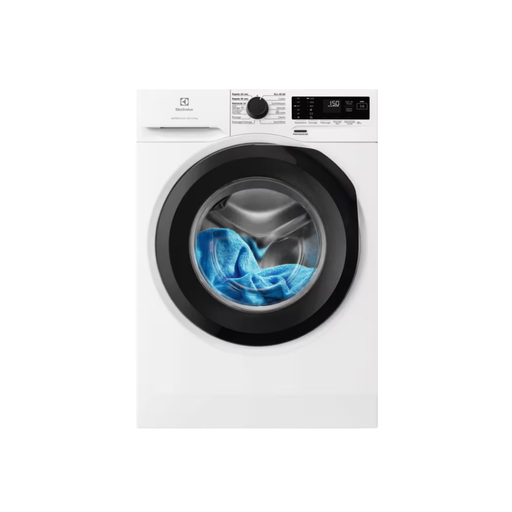 Image unavailable
Electrolux EWF1410N2, 10 kg
Check how this front-loading washing machine’s 10 kg capacity compares with your actual loads to avoid choosing an oversized appliance. Its name mentions an inverter motor and Steam Anti-Allergy and TimeSave features. Check the dimensions and energy label before making your choice.
View on Joybuy
 Image unavailable
Candy CFQQ5T817EPS, four-door, 467 L
Only consider this 467 L fridge-freezer if its capacity suits your household and the space you have available. Its name indicates Total No Frost and an E rating. Compare its kWh/year figure with those of similarly sized appliances on their energy labels.
View on Joybuy
 Image unavailable
Sonlu CC-520WE, 444 L
If you’re considering this 444 L fridge-freezer, check that its dimensions and the way its capacity is divided between compartments suit your needs. Its name indicates an E rating and a noise level of 40 dB, but that figure alone doesn’t mean it will be quiet in your home.
View on Joybuy
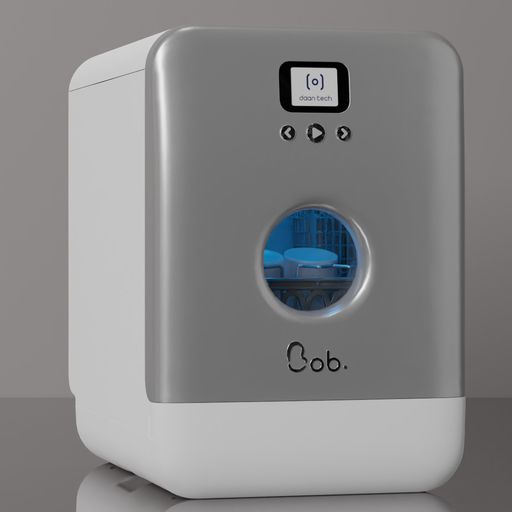 Image unavailable
Bob Mini Dishwasher, 3 place settings, metallic grey and white
With a stated capacity of 3 place settings, this compact model is designed for smaller loads of washing-up; it isn’t a like-for-like replacement for a full-sized family dishwasher. Check the available space, reference programme and model’s energy label before comparing its energy use per cycle.
View on Joybuy
Frequently asked questions
How do I work out which appliance to replace first?
Start by noting which appliances run continuously or get frequent use, along with their measured or stated energy use if you know it. ADEME points out that size, features and usage habits all affect the result: its guidance can’t guarantee savings for your household.
Is the energy-rating letter enough to compare two appliances?
No. Compare appliances in the same category and with a similar capacity, then check the unit shown: for example, kWh/year for cooling appliances or kWh per 100 cycles for some laundry appliances. The model’s EPREL listing can help you check the details covered by European energy labelling.
Can I compare an old A+++ rating with a new A rating?
Not as if they were on the same scale. For tumble dryers, Miele France says the new A–G label has applied since July 2025 and that the measurement method has changed. Compare figures based on the same criteria for appliances with a suitable capacity.
Does a breakdown always mean I need to buy a new appliance?
No. As ADEME points out, a breakdown may be caused by a part that can be repaired. Ask for an assessment or quote, then consider replacing the appliance if the proposed repair or the appliance itself no longer meets your needs.
Can the Repair Bonus cover large household appliances in France?
Yes, certain appliances and repairs may qualify if carried out by an approved repairer, subject to the scheme’s conditions as set out by ecosystem. Check the appliance, the type of fault and the repairer before the work begins; not all repairs are covered.


