
Livraison le jour même ou le lendemain

Qualité garantie

Débloquez vos offres de bienvenue: Livraison GRATUITE | Jusqu'à -80 % | 30 jours d'essai gratuits à JoyPlus
Téléchargez l'application
For athletes and adventurers, a smartwatch is much more than a simple notification relay. It's a true copilot on your wrist—an ally for performance, navigation, and safety. The arrival of the Apple Watch Ultra 3 is eagerly awaited, but how can you be sure it's right for you without being swayed by marketing hype? Our mission: to help you decode the spec sheets to make a smart choice, not an impulse buy.
Before you take the plunge, watch out for the three most common pitfalls in the smartwatches for extreme sports market:
To avoid any unpleasant surprises, focus on the features that truly matter in the field. Here are the three points you must absolutely verify.
For trail running, mountain hiking, or even mountain biking, precise location tracking is not optional. A watch equipped with dual-frequency GPS (L1+L5) offers far superior reliability in challenging environments (canyons, dense forests, urban centers). By capturing signals from multiple constellations on two bands, it drastically reduces tracking errors. GPS + Cellular connectivity is the holy grail: it allows you to stay reachable and use your maps without carrying your phone. It's a real bonus for both safety and travelling light.
An adventure watch's durability is judged by its components. An aerospace-grade titanium case, like that of the Apple Watch Ultra 3, offers the ideal compromise between lightness, impact resistance, and corrosion resistance. The screen must be protected by sapphire crystal glass, which is virtually scratch-proof and nearly as hard as a diamond. Finally, the water resistance must be certified: a 100-meter rating is suitable for swimming and high-speed water sports, while a 40m dive watch certification (EN13319 standard) is essential for recreational diving.
Forget the battery life figures for "normal use." What counts is how long the battery lasts with the GPS and heart rate monitor constantly running. A good adventure watch in 2026 must be able to handle a long session, like a marathon or a full day of hiking. A battery life of 20 hours in GPS mode is an excellent benchmark for endurance athletes. Low power mode can save the day, but make sure it doesn't disable the sensors you absolutely need.
There's an ideal watch for every user profile. Here is our selection of models that check all the boxes for performance and durability, catering to different budgets.
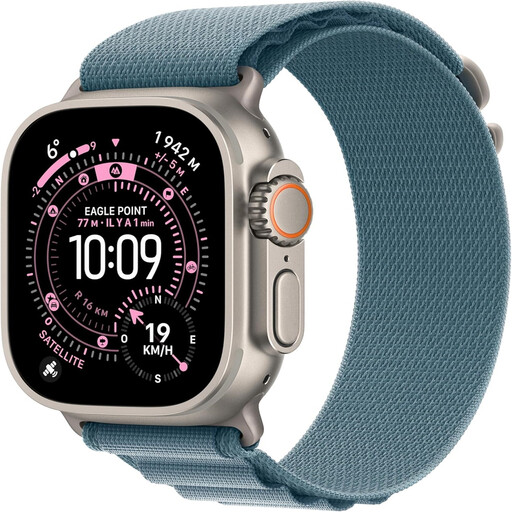
Why it's the right choice: Built for those who push their limits. It's the ideal choice for diving, mountaineering, ultra-trails, and expeditions where durability, GPS accuracy, and advanced safety features are non-negotiable.
Its durability isn't a marketing claim; it's certified (aerospace-grade titanium, sapphire crystal, EN13319). The battery life is rated for intensive GPS use (up to 20h in low power mode), and satellite communication is a genuine safety asset.
Its ultra-precise dual-frequency GPS, incredibly bright screen (3000 nits), and customisable Action button that provides immediate access to vital functions.
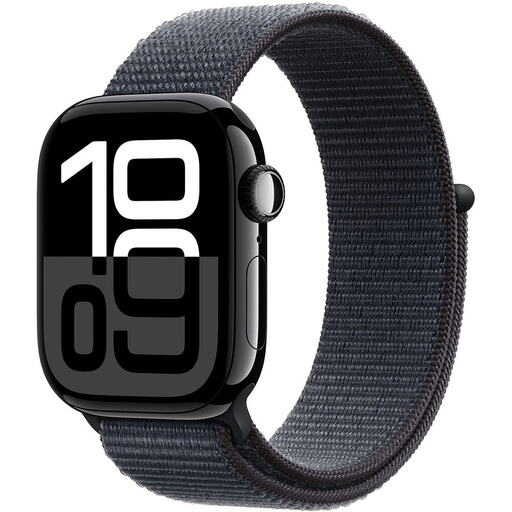
Why it's the right choice: Perfect for the marathon runner, the gym enthusiast, and the tech-lover who wants cutting-edge health sensors in a sleek design that's easy to wear every day.
This model is honest: it doesn't claim to be indestructible. It focuses on the essentials for its target audience: advanced health tracking (ECG, temperature), a superb screen, and seamless integration with the Apple ecosystem, without the extra cost of the Ultra's extreme features.
Its slimmer, lighter design, its next-generation health sensors (sleep apnea detection, ECG), and its fast charging, which is ideal for everyday use.
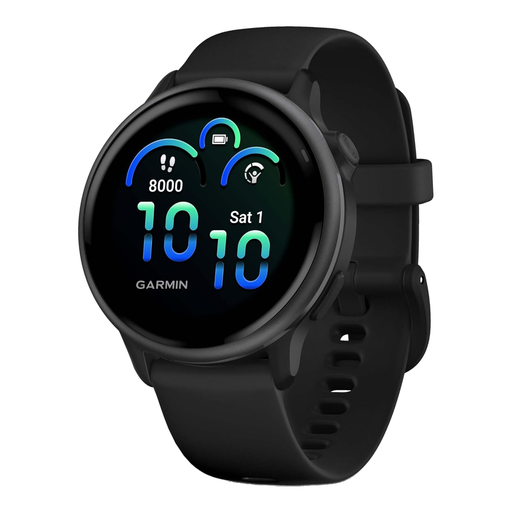
Why it's the right choice: The smart alternative for those who prioritise pure sports features and record-breaking battery life, all at a more accessible price point. Perfect for running, cycling, swimming, and daily fitness tracking.
This model bets everything on real and impressive battery life (up to 11 days in smartwatch mode), without overselling "Ultra-level" durability. A pragmatic choice, 100% focused on sports performance and health tracking.
Its marathon-like battery life, 80+ built-in sports profiles, and access to the Garmin Connect ecosystem, a benchmark for analysing training data.
We have compiled a complete selection of products that meet our demanding selection criteria and are perfectly suited for the French market.
Apple advertises up to 20 hours of activity tracking in low power mode, with GPS and the heart rate monitor active. Under real-world conditions, this figure will vary depending on temperature, GPS/cellular signal strength, and screen brightness. For a multi-day event, our advice is to activate low power mode from the start and fine-tune the settings to squeeze out every percentage point of battery.
This feature is designed for emergencies when you have no cellular or Wi-Fi signal. It requires a clear view of the sky to connect to satellites. Its effectiveness can therefore be reduced in deep canyons, dense forests, or certain deep "dead zones." It's an invaluable safety net, but it does not replace a dedicated distress beacon for expeditions in completely isolated areas.
Is the price of the Apple Watch Ultra 3 justified? It all depends on your use case. If you absolutely must have the very latest innovations—an ultra-bright screen (3000 nits), a faster S10 chip, new health features (hypertension notifications, sleep apnea detection)—then the investment makes sense. For many others, an Apple Watch Ultra 2 or an alternative from Garmin or Suunto will offer a more attractive performance-to-price ratio.