Hosts looking to avoid added sugar
You’re looking for an apple drink for your barbecue and want to distinguish between no added sugar and the sugars naturally present in the juice.


For a barbecue, choose apple juice according to what matters most to you. A no-added-sugar recipe avoids added sugar, but still contains the sugars naturally present in the fruit. If you’re unsure whether to choose juice or nectar, compare the product description, ingredients and sugars per 100 ml, then check the pack size and storage instructions once opened.
You’re looking for an apple drink for your barbecue and want to distinguish between no added sugar and the sugars naturally present in the juice.
You want to choose a particular recipe: pure juice, juice from concentrate or nectar. The product description and ingredients can help you identify whether it contains water or added sugar.
You’re choosing a drink for several guests and need to pick a suitable size, serve the juice chilled and follow the storage instructions once the bottle is open.
When choosing a bottle to share, start with the recipe you’re looking for, then compare the nutritional information and practical serving instructions.
| What to consider | What to check | Who it matters to |
|---|---|---|
| Added sugars | Look for the words ‘no added sugar’ and check the ‘of which sugars’ figure per 100 ml: they tell you different things. | I want to avoid added sugar without mistaking juice for a sugar-free drink. Around 36% of consumers prioritise this distinction. |
| Type of drink | Check the product description and ingredients to tell juice, juice from concentrate and nectar apart. | If I’m choosing between different apple recipes, I want to know what’s actually in the bottle. For around 29% of consumers, ingredients come before other criteria. |
| Serving and storage | Choose a size to suit your guests and check the bottle’s storage instructions for after opening. | When serving several people, I need to be able to keep any leftovers chilled after the meal. Serving and storage are the top priority for around 21% of consumers. |
| Organic and origin | Check the organic claim, stated origin and sugars per 100 ml separately. | I prefer a clearly stated origin or production method, without assuming that this means a lower sugar content. This is the main priority for around 14% of consumers. |
The claim refers to the recipe, not to the absence of sugars in the drink. Joybuy’s product page for Joker apple juice with no added sugar lists 11 g of sugars per 100 ml.
Check the ‘of which sugars’ figure per 100 ml before choosing, even when the front of the pack highlights that no sugars have been added.
Recipes can differ. In the range described by Jus de Fruits Caraïbes, Pampryl apple nectar contains apple juice from concentrate, water and sugar.
Check the product description and ingredients, especially if you’re looking to avoid added sugar.
These claims relate to other factors. E.Leclerc’s product page for Bio Village organic pure apple juice lists 11 g of sugars per 100 ml.
Compare organic status and origin separately from the nutritional information per 100 ml.
A large bottle may still be open after the barbecue. Auchan’s product page for a Tropicana apple juice specifies that this particular product should be stored at a maximum of 7 °C and consumed within five days of opening.
Choose a size that suits your guests and follow the instructions on the bottle you buy; they can vary between products.
The Le Fruit range includes a 1 L apple juice with no added sugar, listed by Auchan and Joybuy.
Carrefour sells a 1 L bottle of apple juice with no added sugar under this brand.
Auchan sells 1 L apple juice from concentrate with no added sugar.
E.Leclerc’s product page lists 1 L of organic pure apple juice and states that the apples are from France.
The range presented by Jus de Fruits Caraïbes lets you compare the stated ingredients of apple juice and apple nectar.
These 1 L bottles are worth considering if you’re looking for an apple drink to share. If you want a recipe with no added sugar, check this claim and the nutritional information for each product. The product description also matters if you want to tell juice and nectar apart.
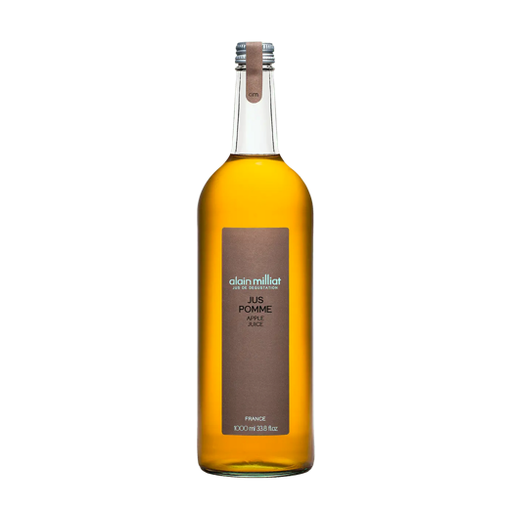 Image unavailable
This 1 L bottle is worth considering if you’re serving several guests at a barbecue. If you’re looking for a drink with no added sugar, check the relevant claim, the ‘of which sugars’ figure and the storage instructions for after opening on the bottle.
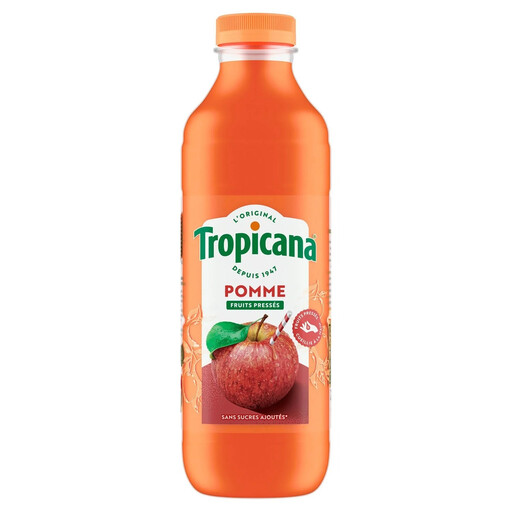 Image unavailable
This 1 L bottle is an option to consider if you’re planning to share apple juice. Compare the sugars per 100 ml and follow the storage and use instructions for this particular product once opened.
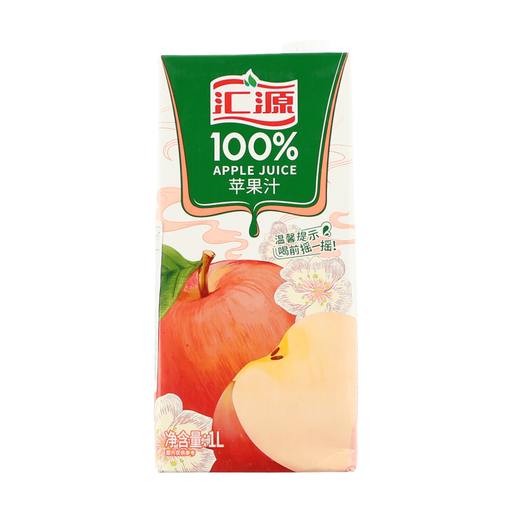 Image unavailable
The 1 L size is suitable for sharing if you can store the bottle properly once it’s open. If you’re specifically looking for juice with no added sugar, check the product description, ingredients and ‘of which sugars’ figure on the UK label before choosing it.
No. The claim refers to added sugar, while the sugars naturally present in the fruit remain in the juice. For example, Joybuy’s product page for Joker apple juice with no added sugar lists 11 g of sugars per 100 ml. Check this figure on the label of the bottle you choose.
Read the product description and ingredients, as the two recipes aren’t interchangeable. For example, the Pampryl nectar listed by Jus de Fruits Caraïbes contains apple juice from concentrate, water and sugar.
Serve it in portions, and make sure there’s water available to quench your thirst too. Manger Bouger recommends limiting fruit juice as much as possible and advises having no more than one glass a day.
Follow the storage time and temperature stated on the bottle. For one Tropicana apple juice listed by Auchan, the instructions are to store it at a maximum of 7 °C and consume it within five days of opening. These instructions don’t automatically apply to other juices.