People looking to reduce the sugar in their juice
If you’re looking for a measurable reduction, ‘no added sugars’ isn’t enough. Compare the sugar content per 100 ml and look for the ‘reduced sugar content’ description on the product.


If your priority is to reduce the sugar in apple juice, don’t rely on the words ‘no added sugars’ alone: the sugars naturally present in apples are still in the drink. For a cinema snack, look for the ‘fruit juice with reduced sugar content’ description, if available, compare the ‘of which sugars’ figure per 100 ml, then choose a pack size that suits the number of people and check the storage instructions.
If you’re looking for a measurable reduction, ‘no added sugars’ isn’t enough. Compare the sugar content per 100 ml and look for the ‘reduced sugar content’ description on the product.
You may prefer a recipe with no added sugars while being happy to have those naturally present in apples. The ‘of which sugars’ figure is still useful: Auchan France lists 9.8 g per 100 ml for its apple juice made from concentrate.
A bottle served into several glasses lets you choose how much to pour for each person. Check its capacity, along with the refrigeration instructions and how soon it should be consumed after opening.
When choosing apple juice for a cinema snack, first decide whether you’re looking for reduced sugar or simply no added sugar. Then consider the bottle size and storage instructions if you’ll be sharing it.
| Criterion | What to check | Who is it for? |
|---|---|---|
| Reduced sugar | The ‘fruit juice with reduced sugar content’ description and the ‘of which sugars’ figure per 100 ml. Under French Decree no. 2026-312, which has applied since 14 June 2026, this description means a reduction of at least 30% in the sugars naturally present compared with the average type of juice concerned. | I want to see a reduction in the juice’s sugar content, not just the absence of added sugar: around 40% of consumers prioritise this measurable reduction. |
| No added sugars | The ingredients list and the ‘of which sugars’ figure: a recipe with no added sugar still contains the sugars naturally present in apples. | I want to avoid added sugar in the recipe, without requiring a lower total sugar content. This is the priority for around 40% of consumers. |
| Serving and storage | The bottle size, how many glasses you’ll be serving and the instructions for storing the chosen bottle after opening. | If I’m sharing the juice and don’t want to leave an opened bottle unused, I mainly need a suitable size and storage instructions; around 20% of consumers would put this convenience first. |
This description doesn’t remove the sugars naturally present in apples. For its apple juice made from concentrate, Auchan France lists 9.8 g of sugars per 100 ml, despite there being no added sugars.
If reducing sugar is your deciding factor, look for the relevant description and compare the ‘of which sugars’ figures per 100 ml across different apple juices.
‘Pure juice’ tells you what type of product it is, not whether it’s low in sugar. For example, E.Leclerc’s Bio Village product page lists 11 g of sugars per 100 ml for its pure apple juice.
Use the product description to identify the juice, then check the nutrition table to compare sugar content.
A 1 L bottle doesn’t tell you how much each person will be served. Storage instructions after opening also vary by product.
Have glasses ready and check the chosen pack for the storage temperature and how soon the juice should be consumed after opening.
The Le Fruit range includes a 1 L bottle of apple juice made from concentrate, described as having no added sugars on the product page published by Auchan France.
Carrefour France lists a 1 L apple juice made from concentrate with no added sugars.
Auchan France lists a 1 L apple juice made from concentrate with no added sugars.
E.Leclerc lists a 1 L organic pure apple juice in this range.
These 1 L bottles are suited to serving several glasses for a cinema snack. If you’re looking for a measurable reduction in sugar, check the description and nutrition information on the specific bottle before choosing.
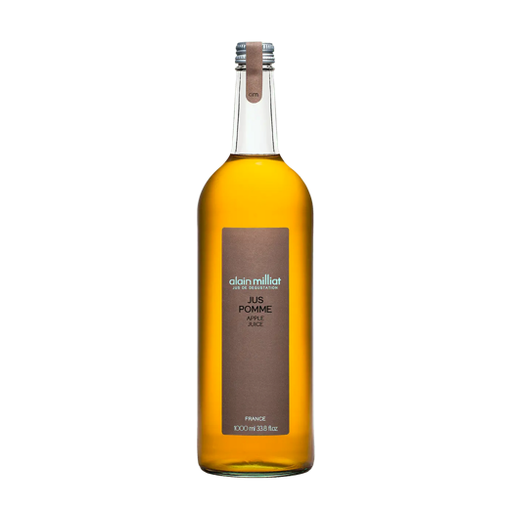 Image unavailable
This size could be a good choice if you’re planning to serve the juice in several glasses.
If reducing sugar is your priority, check the juice description and the ‘of which sugars’ figure per 100 ml on the bottle.
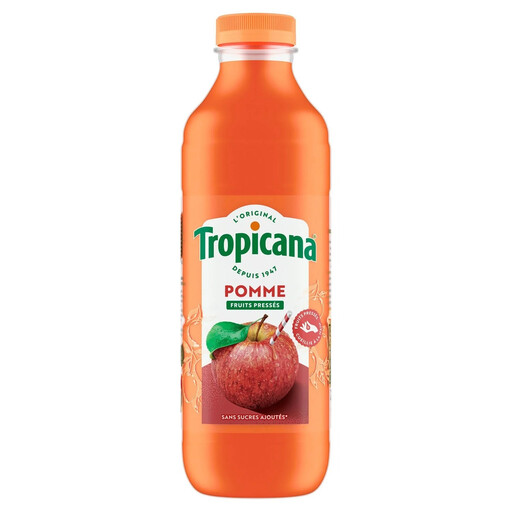 Image unavailable
The 1 L bottle can be served to several people during a cinema snack.
To choose between this product and another apple juice, compare the sugar content per 100 ml and check the instructions for after opening.
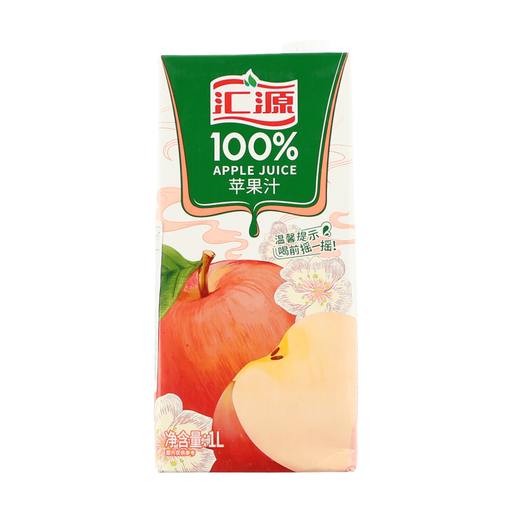 Image unavailable
This size lets you serve several glasses rather than having one bottle per person.
If the ingredients matter to you, read the ingredients list and the exact product description; to compare sugar content, check the figure per 100 ml.
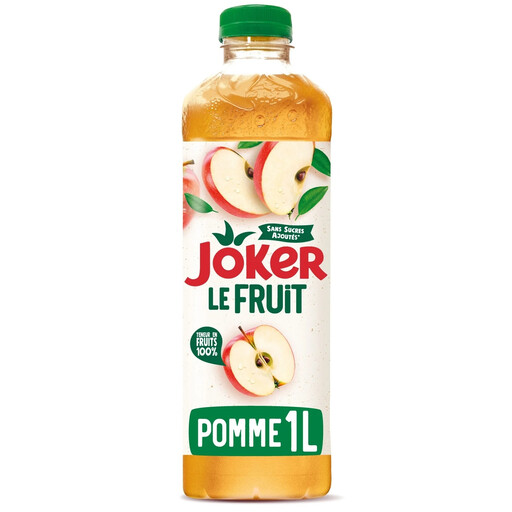 Image unavailable
The 1 L bottle is worth considering if you’ll be sharing the juice during the film.
The description ‘unsweetened’ doesn’t replace comparing the sugar content per 100 ml. Also check the storage instructions for this bottle after opening.
No: the sugars naturally present in apples are still in the juice. For example, Auchan France lists 9.8 g of sugars per 100 ml for its apple juice made from concentrate with no added sugars.
Look for ‘fruit juice with reduced sugar content’ on the product. Under French Decree no. 2026-312, which has applied since 14 June 2026, this description means a reduction of at least 30% in the sugars naturally present compared with the average type of juice concerned; ‘no added sugars’ means something different.
Follow the instructions on the bottle you’ve chosen. For the apple juice products described by Auchan France, Auchan and Tropicana state that their products should be refrigerated after opening and consumed within five days.
Choose the bottle size based on how many glasses you plan to serve and how much you’ll be able to store after opening. A 1 L bottle is a sharing size, not an indication of an individual portion.