Anyone who wants to control their portion
If you’d rather not pour a large glass without knowing how much you’re serving, a small carton or a measured portion from a bottle can help you choose the amount.


For an afternoon snack, choose your apple juice based on how much you want to serve and the recipe you’re looking for, rather than relying solely on the ‘no added sugar’ claim: naturally occurring sugars are still present in the juice. Compare the ‘of which sugars’ figures per 100 ml and for the portion you drink, then check whether it’s pure juice, juice from concentrate or a nectar. Santé publique France, through Manger Bouger, recommends limiting fruit juice and choosing a whole piece of fruit where possible.
If you’d rather not pour a large glass without knowing how much you’re serving, a small carton or a measured portion from a bottle can help you choose the amount.
The ‘no added sugar’ claim alone doesn’t tell you how much sugar you’ll be drinking. Check the ‘of which sugars’ figure per 100 ml, then work out how much is in your glass.
If you’re serving juice at several snack times, the bottle size matters just as much as the storage instructions after opening. Check that you’ll be able to finish it within the time stated on the packaging.
Start with the portion you plan to drink, then check the product description and nutritional information. A small pack sets the amount available, but it doesn’t change the sugar content of the juice.
| What to consider | What to check | Who is it for? |
|---|---|---|
| Sugars and portion size | The ‘of which sugars’ figure per 100 ml and the amount you’ll actually drink; ‘no added sugar’ doesn’t mean ‘sugar-free’. | I want to have juice with my afternoon snack without losing sight of how much sugar is in my glass. For around 43% of consumers, managing sugar and portion size would be the priority. |
| Type of juice | The product description — pure juice, juice from concentrate or nectar — and the ingredients list; for nectar, the fruit content. | If I’m looking for a particular recipe, I want to know what the drink contains rather than relying on its everyday name. The ingredients would be the main consideration for around 29% of consumers. |
| Pack size and storage | A size that works for several snack times and the storage instructions for that particular bottle once opened. | At home, I prefer a container we can finish while following the instructions on the packaging. Around 28% of consumers would prioritise pack size and repeated use. |
The sugars naturally present in apples remain in the juice. The two Auchan products featured in the search results state that they contain 9.7 g and 9.8 g of sugars per 100 ml respectively.
Check the ‘of which sugars’ figure for the product you choose and take into account how much you’ll serve.
Santé publique France, through Manger Bouger, recommends choosing a whole piece of fruit and limiting fruit juice. ‘Pure juice’ describes the product; it doesn’t mean it’s nutritionally equivalent to the fruit.
If juice is part of your afternoon snack, choose the portion you want without assuming it automatically replaces a whole piece of fruit.
Recipes vary: the Cidou apple nectar featured at Auchan contains 85% apple juice from concentrate, as well as water and citric acid.
Check the product description, fruit content and ingredients before comparing two bottles.
Joker offers 100% fruit apple juice with no added sugar, including 1 L and 1.5 L bottles.
The range includes a 1 L bottle of apple juice with no added sugar and a pack of six 20 cl cartons.
Auchan offers a 1 L bottle of pure apple juice and a 1 L bottle of apple juice from concentrate with no added sugar.
The E.Leclerc catalogue includes Jafaden pure apple juice in 1 L and 1.5 L bottles.
This selection includes 1 L bottles for serving at several snack times, as well as a 33 cl bottle if you’re looking for a smaller option. For each one, choose how much to pour and check the nutritional information for the variant you buy.
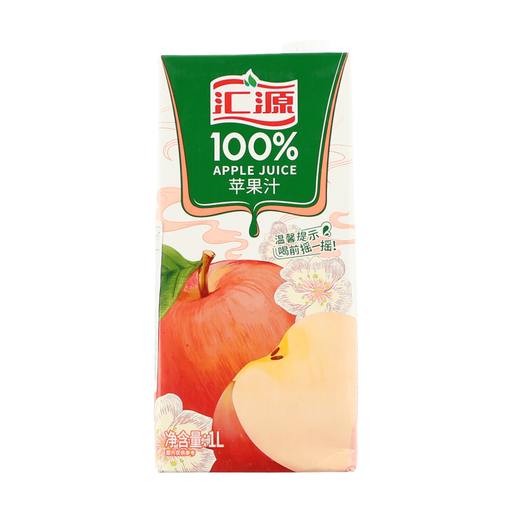 Image unavailable
If you’re serving juice from the same bottle at several snack times, measure how much you pour. Size: 1 L; check the label for sugar content and storage instructions after opening.
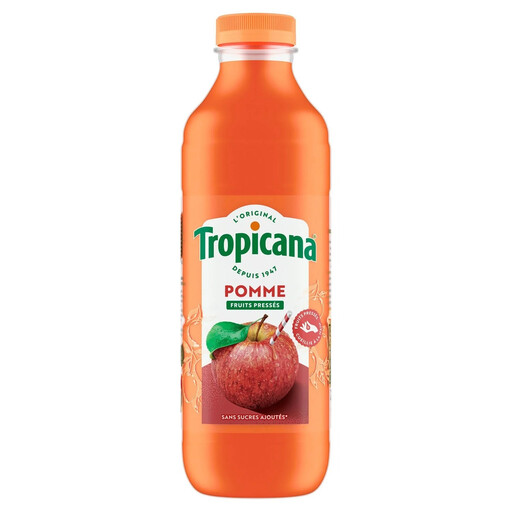 Image unavailable
If you’re sharing a bottle across several snack times, plan the portions you’ll serve. Size: 1 L; follow the storage instructions on the packaging.
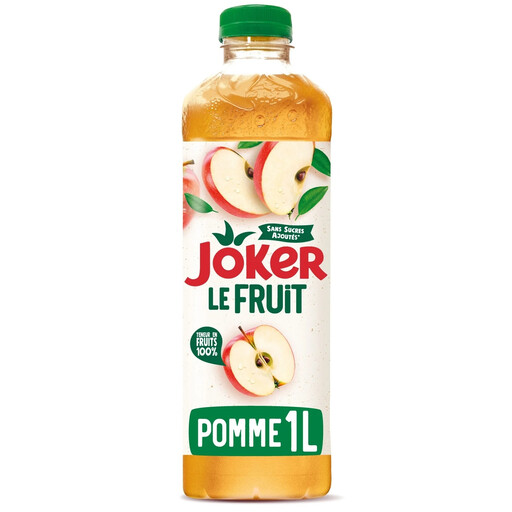 Image unavailable
If you’re looking for juice with no added sugar to serve at several snack times, check the ‘of which sugars’ figure too. Size: 1 L; check the packaging for storage instructions after opening.
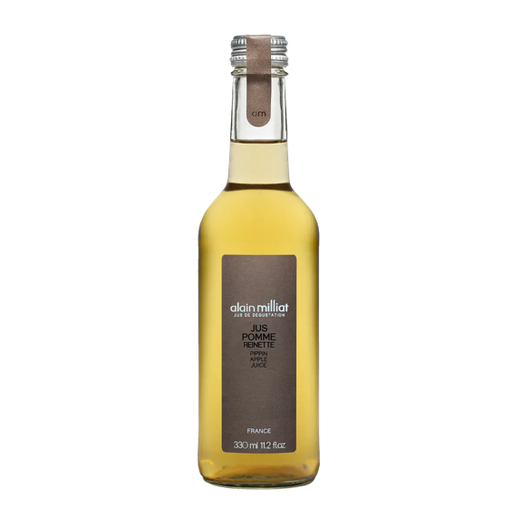 Image unavailable
If you’re looking for a smaller container than a one-litre bottle, don’t assume the whole contents make up one portion. Size: 33 cl; check the sugar content and label details before buying.
No: apple juice with no added sugar still contains the sugars naturally present in the fruit. To find out how much is in your glass, check the ‘of which sugars’ figure per 100 ml on the label of the product you choose, and take into account how much you serve.
A 20 cl carton gives you a clear serving-size guide, while a large bottle lets you choose how much to pour. In either case, decide on the amount separately from the ‘no added sugar’ claim. Santé publique France, through Manger Bouger, recommends limiting fruit juice and choosing a whole piece of fruit.
No, the product description alone isn’t enough to compare two products on this point. The Auchan products considered here state that the pure juice contains 9.7 g of sugars per 100 ml and the juice from concentrate 9.8 g. Compare the figures on each bottle rather than assuming this example applies to all juices.
Follow the time limit and storage instructions on the bottle you’ve bought. The Auchan and Tropicana products featured in the product listings say to refrigerate after opening and drink within five days, but this timeframe doesn’t automatically apply to other products.